.avif)


.png)
.png)


Home Lighting Trends for 2026
Explore cutting-edge lighting trends dominating 2026 to enhance your NYC renovation with illuminated style.
February 2, 2026
|

Home Lighting Trends for 2026
The right lighting can make or break your interior design, so our extensive guide on current lighting trends will help you choose wisely when renovating your NYC home.
Table of Contents
- Globe Lamps
- Human-Centric Lighting
- Smart Lighting
- Architectural-Focused Lighting
- Statement Lighting
- Movement and Modularity In Lighting Fixtures
- FAQs About Lighting For NYC Apartment Renovations
Walk into a well-designed Manhattan apartment after dark, and the lighting is already doing quiet work. It shapes the rooms and steadies the mood long before anyone notices the fixtures themselves.
Lighting design has grown from a question of function into a discipline that governs how a room looks and how it feels to live in. The trends shaping 2026 carry that forward, with beauty and new technology working toward everyday comfort. Here are the directions worth knowing as you plan a renovation.
In 2026, lighting trends are transforming the way we illuminate our homes, prioritizing beauty, innovative technology, and our overall sense of comfort. Join us as we explore emerging lighting trends that redefine the way we perceive and experience our living spaces.
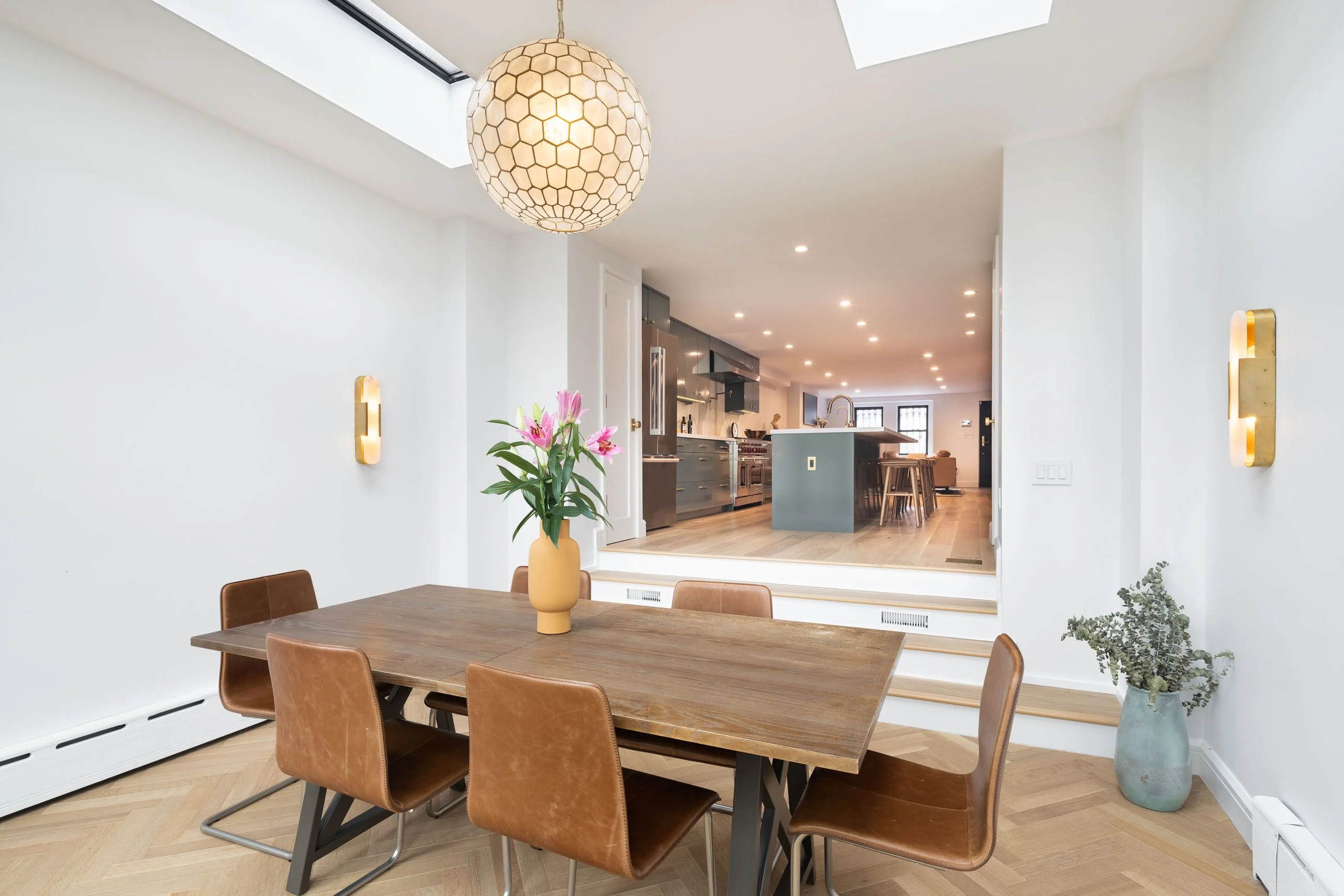
[#Globe]Globe Lamps: A Harmonious Glow[#Globe]
In recent years, globe lamps have taken center stage in the interior lighting conversation, gaining immense popularity for their ability to create a harmonious glow that resonates with modern interior design sensibilities.
The Allure of Globe Lamps
Globe lamps are characterized by their spherical shape, which encases the light source within a translucent or frosted globe. This design choice diffuses the light, softening its intensity and eliminating harsh shadows. This results in gentle, even and all-encompassing lighting.
Creating Peaceful Interiors
Thanks to their soft sensibility, globe lamps create a serene and harmonious environment whenever present. The diffused light they emit is perfect for spaces where comfort is desired. Whether used in bedrooms, living rooms, or even dining areas, globe lamps set the stage for peaceful interiors, inviting you to unwind and relax. Explore more about How Home Design Shapes Well-Being in NYC Renovations.
The Shift From Wire-Framed Lamps
Wire-framed lamps led the last few years with their angular lines and crisp, directional light. The move toward globe lamps points to a growing preference for a calmer, more enveloping feel at home.
[#Human]Human-Centric Lighting: Tuned to Your Well-Being[#Human]
In the ever-evolving world of interior design, lighting has emerged as a crucial element that not only enhances aesthetics but also impacts our well-being. In recent years, the concept of human-centric lighting has gained immense popularity as we redefine the way we think about lighting in our homes.
Embracing Natural Rhythms
The idea rests on a simple biological fact: our bodies track the natural cycle of light and dark. Lighting that mirrors that cycle can support physical and emotional health. Exposure to different colors and intensities across the day helps regulate the circadian rhythm, the internal clock behind the sleep-wake cycle and daily alertness.
Tunable White and Color-Changing LED Fixtures
At the heart of this approach sit tunable white and color-changing LED fixtures. They adjust color temperature and intensity to track the daylight cycle, moving from the cool whites of morning toward the warm tones of evening on a schedule or a single tap. Paired with a smart system, the change happens on its own and fades into the background.
Promoting Better Sleep and Well-Being
The payoff is real. Lighting that matches your daily routine can improve sleep quality and steady your sense of well-being. Bright, cool light during the day lifts alertness, and warmer, dimmer light in the evening eases the body toward rest.
This matters in New York, where long hours and high-stress days are common. Human-centric lighting gives residents a way to offset the flat artificial light of city life and hold a more natural daily rhythm.
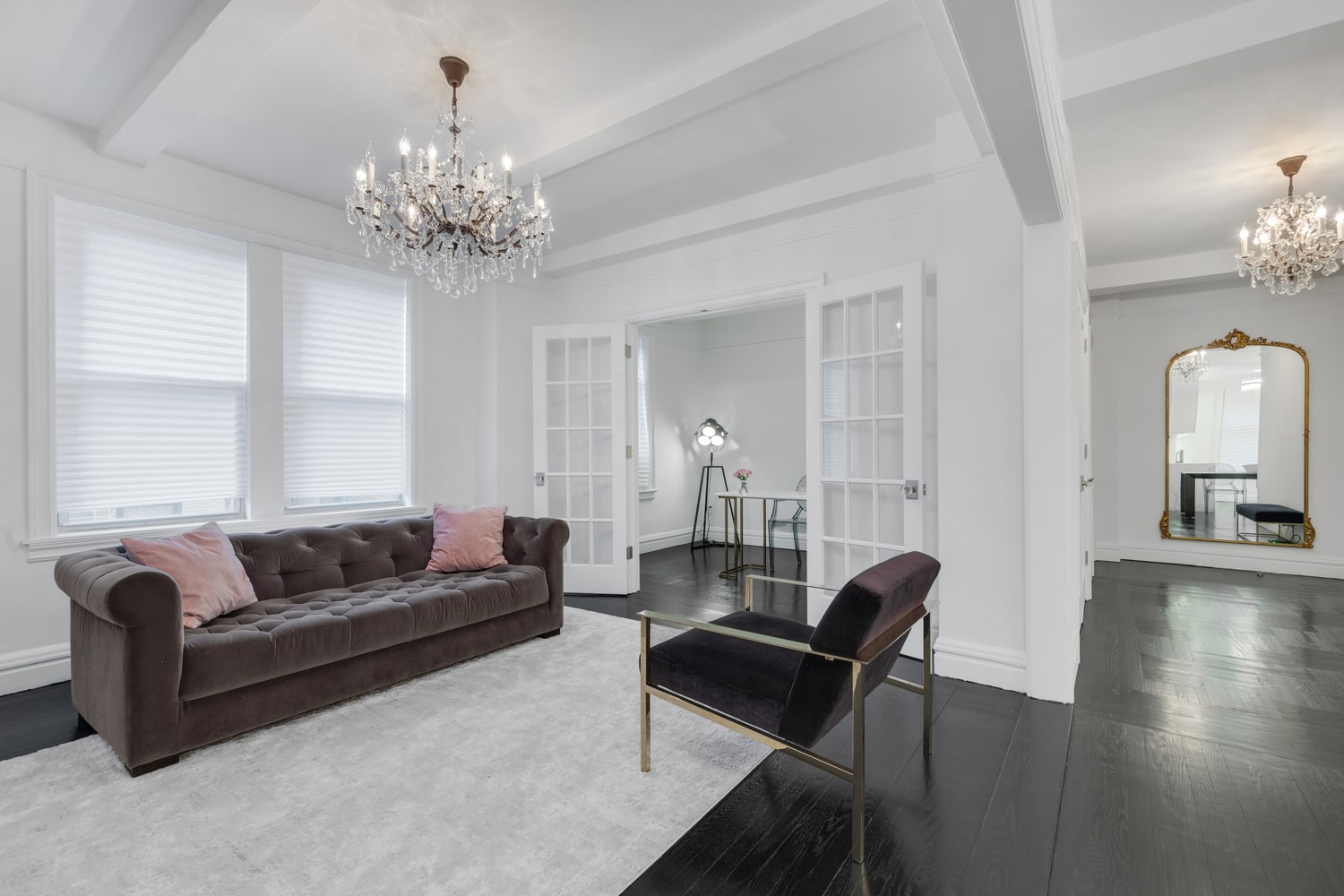
[#Statement]Statement Lighting: The Bolder, The Better[#Statement]
Lighting has also taken a turn toward scale and presence. Statement lighting works from a clear premise: a large, striking fixture can carry a room and become its focal point.
Elevating the Ambiance
A statement fixture reads almost as sculpture. Its size and detail can lift an ordinary room and leave a lasting impression on anyone who walks in.
Oversized Chandeliers
Oversized chandeliers are a prime example of statement lighting, which can be seen clearly in the living space from our Upper West Side pre-war co-op gut renovation at 50 West 96th. These majestic fixtures can be used in a wide range of settings, from grand dining rooms to chic living spaces and even luxurious bedrooms. Their intricate designs, often featuring crystals, metals, and ornate details, make them an exquisite addition to any room.
Sculptural Pendant Lights
Sculptural pendant lights play a similar role. Their forms run from organic and abstract to clean and minimal, and they hold attention the way a hanging sculpture would. See how pendant lighting accentuates the kitchen in our Upper West Side condo renovation at 59 W 71st.
Becoming Focal Points
A statement fixture is there to anchor the room. It draws the eye and sparks conversation while working with the rest of the decor to sharpen the overall design.
[#Smart]Smart Lighting: Convenience at Your Fingertips[#Smart]
The future of home lighting is brighter and more convenient than ever, thanks to the rapid advancements in smart technology for homes. Smart lighting has taken the design and functionality of modern homes to a whole new level. It's not just about controlling your lights remotely; it's about creating a personalized and seamless lighting experience that enhances convenience, energy efficiency, and ambiance management.
Lighting on Your Terms
The strength of smart lighting is how readily it adapts. With the right setup, you can build lighting scenes for different moments and switch between them from a phone or by voice. A bright, energizing scene for work gives way to soft, warm light in the evening, all without rewiring.
Control Through a Smart Hub
Smart hubs bring this together. They manage everything from a single lamp to the whole lighting system, with settings that vary by brand. Common controls include:
- Scene Control: Create and save lighting scenes for various activities and atmospheres, like "Movie Night" or "Dinner Party."
- Scheduling: Set lighting schedules to match your daily routine, ensuring that the lights are ready to welcome you at the right time.
- Voice Control: Interact with your lighting using voice commands, offering hands-free convenience.
Efficient and Stylish
Smart lighting also trims energy use. Many systems dim or shut off lights that nobody is using, which lowers the bill and the household’s footprint together. The result is a modern lighting setup that stays efficient while holding its style.
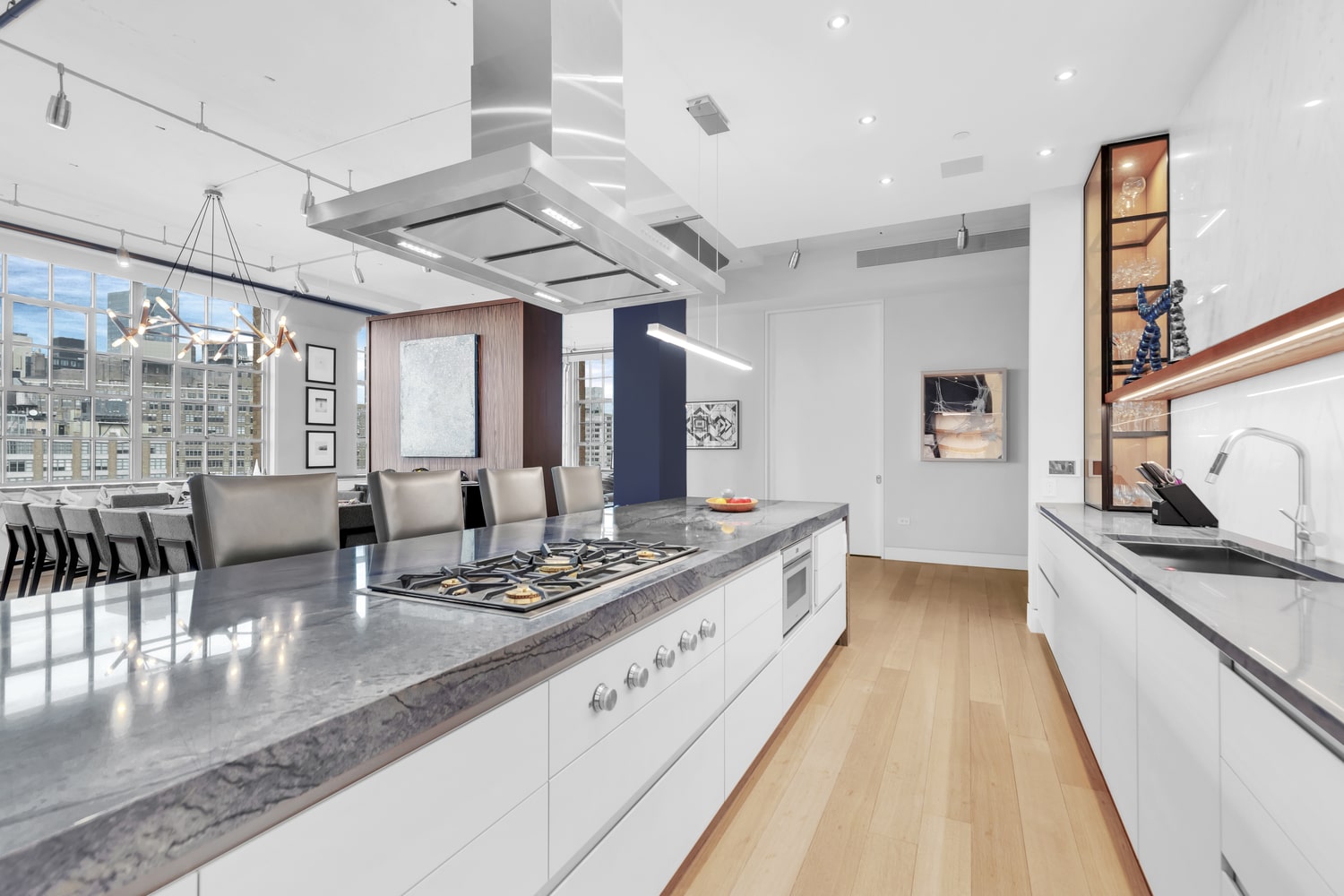
[#Arch]Architectural-Focused Lighting: Accentuating Every Room In The Home[#Arch]
Architectural lighting has gained momentum as designers use light to draw out the structure of a room rather than crowd it with fixtures. The approach leans minimal, letting light highlight the features already there. A few techniques carry it room by room.
Lighting For Living Rooms
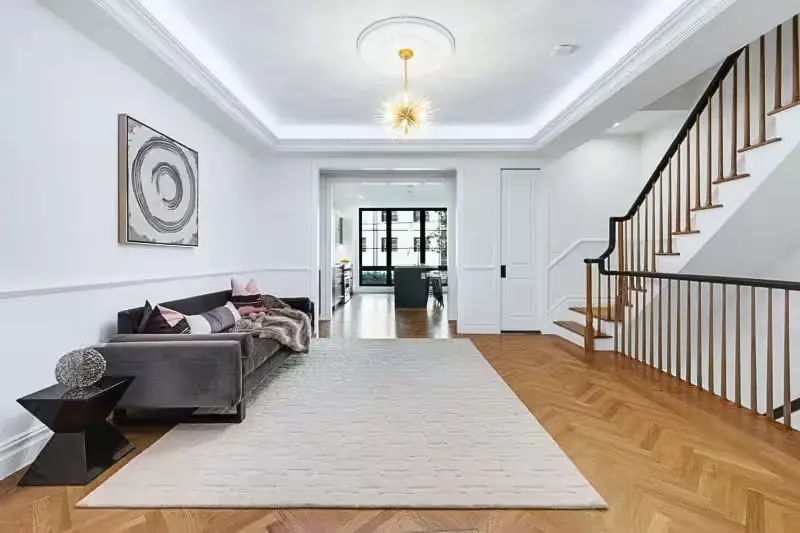
Cove Lighting
Indirect light tucked into a ceiling ledge or molding, often used to trace pre-war cornices. It washes the ceiling and upper walls with a soft glow that makes a room read larger and more refined. Learn more about How Cove Lighting Can Enhance Your NYC Apartment Renovation.
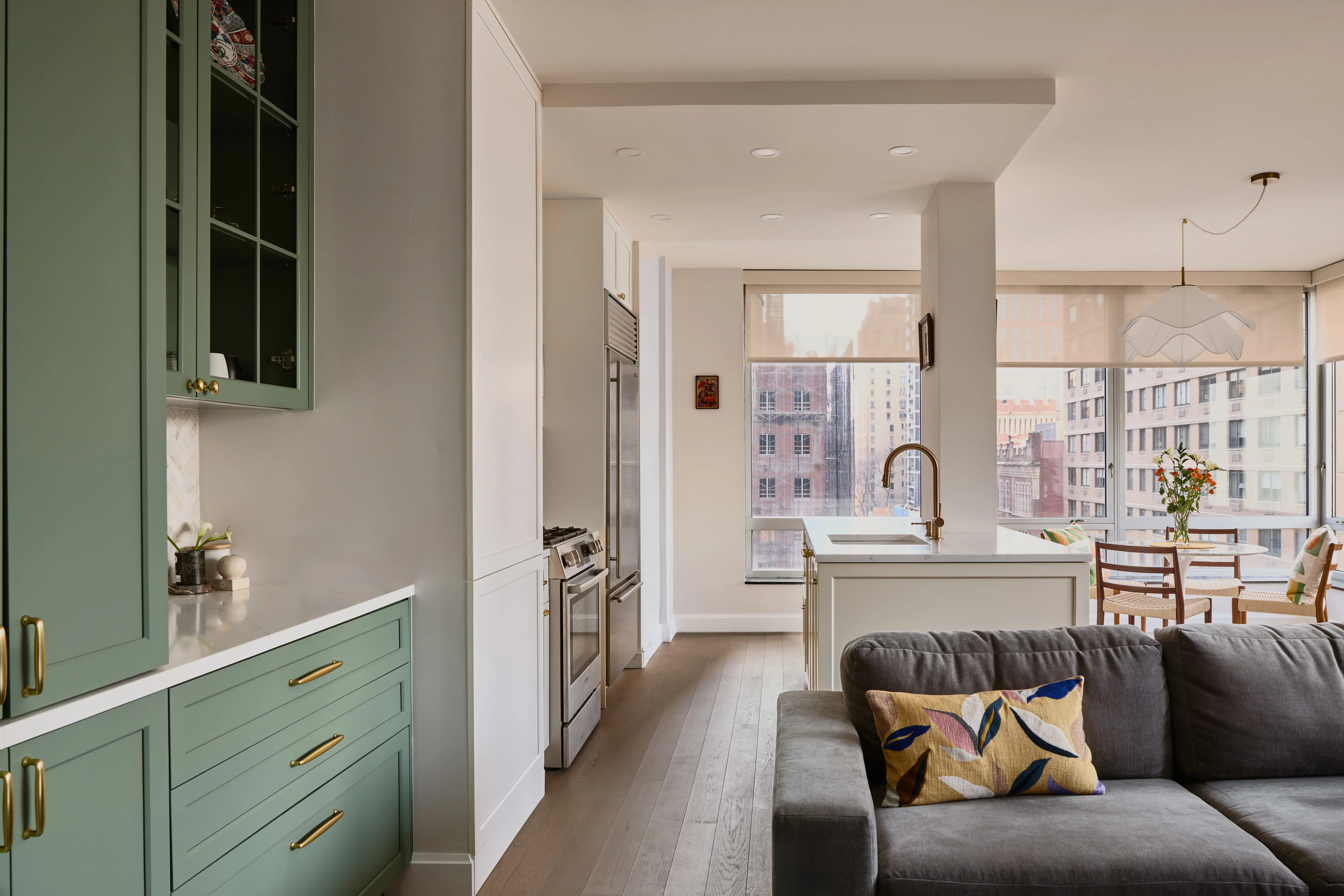
Recessed Lighting
A versatile, space-saving choice that sits flush with the ceiling. Adjustable brightness suits different activities, and careful placement can pick out architectural features. See how we implemented recessed lighting in many of our Manhattan renovations.
.webp)
Wall-Washing Fixtures
Fixtures that bathe a wall or artwork in even light. Aimed at an accent wall or a piece of art, they create a gallery-like effect. See how we used wall-washing fixtures to the left and right of the restored fireplace in our full gut renovation of an Upper West Side pre-war co-op at 801 West End Ave.
Lighting For Kitchens
-min.webp)
Under-Cabinet Lighting
Mounted beneath the upper cabinets to light the counter for prep work. It improves visibility at the cutting board and brings out the color and texture of the backsplash. View various instances of under-cabinet lighting in our kitchen renovation portfolio.
.webp)
Pendant Lights
Hung over an island or table for focused task light and a decorative note. Adjustable fixtures put the light exactly where the work happens, and the right design adds personality to the kitchen.

Linear Lighting
As covered in our Interior Design Trends for 2026 blog, linear lighting brings even light to a busy kitchen without taking up visual room. See how we tactfully implemented linear lighting in our sky loft kitchen renovation at 145 Hudson St.
Lighting For Bedrooms
%20Gallery%20KBNY.webp)
Bedside Lighting Options
Sconces or wall-mounted fixtures on either side of the bed free up the nightstand while lighting reading and wind-down time. Recessed fixtures above the bed, on a dimmer, can set a low and restful level.
.webp)
Pre-War Accents
Placed lighting can play up the details of a pre-war home, from wood paneling to crown molding. Grazing or washing these surfaces brings out their texture and depth for a warm, characterful bedroom.
Across New York, from pre-war brownstones to modern towers, architectural lighting gives each home a way to show off its best structural features.
[#Movement]Movement and Modularity In Lighting Fixtures[#Movement]
Contemporary lighting is also getting more flexible. Movement and modularity bring customization and adaptability that fit the way modern rooms get used.
Embracing Movement
Movement is a defining trait of 2026 lighting. Fixtures now adjust and reposition rather than staying fixed, so a room’s light can follow the moment and the mood.
- Articulating Arms: Arms that bend and extend put light where it is needed, whether a reading lamp at a desk or a sconce that pivots toward a piece of art.
- Adjustable Pendants: Cords or stems that change length let a pendant work over a dining table or in a tall entryway
- Rotating and Swiveling Features: Ceiling and wall fixtures that turn or swivel redirect the light, so a single fixture can set several moods.
Weightlessness Via Modularity
Modularity is the perfect complement to movement in modern lighting. The concept of weightlessness, both visually and physically, is central to this trend. Lighting fixtures are designed to appear as though they defy gravity, and they often consist of interchangeable or modular components that allow for endless creative configurations.
- Floating Illusions: Fixtures that appear to hang in mid-air create a sense of weightlessness and draw curiosity.
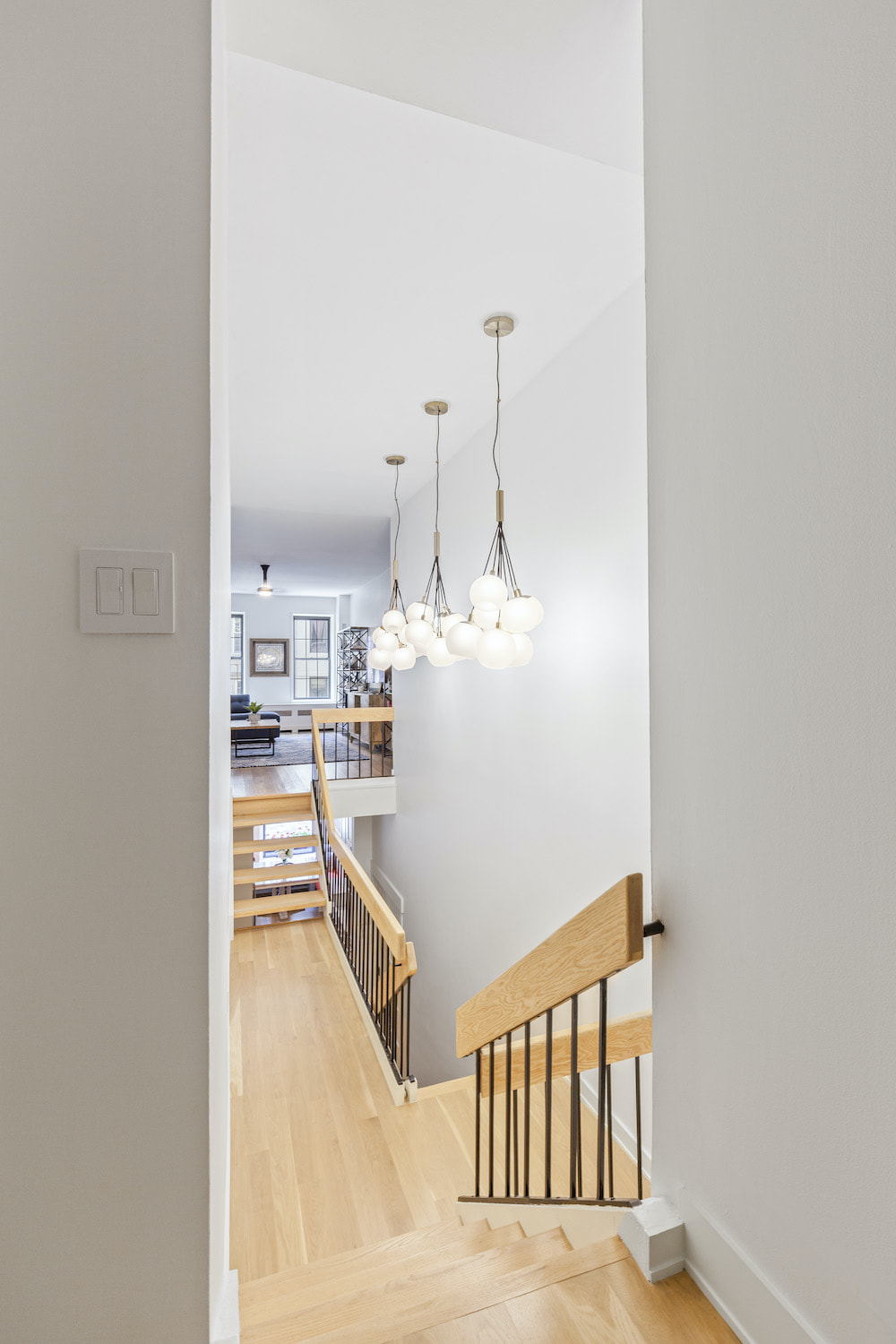
- Sculptural Elegance: Lighting designs that resemble sculptures or art installations are becoming increasingly popular. These fixtures are not only functional but also serve as works of art in their own right, contributing to the overall design concept of a space. For instance, see the stunning matte chrome Fairfax chandelier we installed in our Upper West Side pre-war co-op gut renovation at 50 West 96th.
- Modular Systems: Lighting systems are often built with modular components that can be assembled in various combinations. Homeowners can customize the size, shape, and style of their fixtures to suit their unique tastes and spaces.
Conclusion
Lighting in 2026 sits at the center of how a home feels to live in, well past its old role as pure function. The range runs wide, from soft globe lamps to tunable systems that track the day, with architectural accenting in between. With the right planning and the right renovation partner, this mix of design and technology can shape a home that is comfortable and efficient in equal measure.
Considering an apartment renovation in New York City and looking for an enhanced lighting experience in your updated design? View our portfolio of NYC apartment renovation before and afters, learn more about Gallery, or contact us today.
We are a New York Times-featured design-build firm in New York City with a full-service approach to renovations in Manhattan and Brooklyn that includes everything from interior design and architecture services to filing permits and construction management. We’re experts in pre-war apartment renovations, apartment combinations, room creations, full gut renovations and all that falls in between. Let us bring your dream home to life.
Gallery KBNY is a full-service design-build firm featured in The New York Times, specializing in the architecture, interior design, and renovation of apartments, co-ops, condominiums, townhomes, and lofts across Manhattan and Brooklyn. Our integrated team of architects, designers, contractors, and project managers manages every phase from board approvals and DOB permitting through design and construction. A founding partner is involved in every project, start to finish. Because architecture, design, permitting, and construction are coordinated under one roof, the process remains streamlined, accountable, and transparent from start to finish. Our work has also appeared in Forbes, Architectural Digest, and Inc., and is backed by 100+ five-star client reviews.
[#FAQ]Frequently Asked Questions About Lighting For NYC Apartment Renovations[#FAQ]
What are the defining home lighting trends for 2026?
Five directions shape lighting in 2026. Globe lamps are gaining ground for the soft, diffused glow they cast. Human-centric lighting tunes color and intensity to the body's natural rhythm. Statement fixtures work as sculptural focal points that anchor a room. Smart lighting brings scenes, scheduling, and voice control with energy savings. Architectural lighting uses light to draw out a room's structure rather than crowding it with fixtures. The connecting theme is lighting that governs how a room both looks and feels, with beauty and technology working toward everyday comfort.
What are globe lamps, and why are they trending?
Globe lamps are defined by their spherical shape, which encases the light source in a translucent or frosted globe. That form diffuses the light, softening its intensity and eliminating harsh shadows for a gentle, even glow. The result is a serene, harmonious quality that suits bedrooms, living rooms, and dining areas where comfort is the goal. Their rise reflects a shift away from the angular lines and crisp, directional light of wire-framed fixtures that led the last few years, toward a calmer, more enveloping feel at home. Globe lamps deliver that softer atmosphere directly.
What is human-centric lighting?
Human-centric lighting is built on a biological fact: the body tracks the natural cycle of light and dark, and lighting that mirrors that cycle can support physical and emotional health. Exposure to different colors and intensities across the day helps regulate the circadian rhythm, the internal clock behind the sleep-wake cycle and daily alertness. At the center of the approach are tunable white and color-changing LED fixtures that adjust color temperature and intensity to follow the daylight cycle, moving from cool morning whites toward warm evening tones on a schedule or a single tap. Paired with a smart system, the change happens automatically. The payoff is better sleep and a steadier sense of well-being.
What is statement lighting, and where does it work best?
Statement lighting works from a simple premise: a large, striking fixture can carry a room and become its focal point. A statement fixture reads almost as sculpture, its size and detail lifting an ordinary room and leaving a lasting impression. Oversized chandeliers are a prime example, suited to grand dining rooms, living spaces, and even bedrooms, often featuring crystals, metals, and ornate detail. Sculptural pendant lights play a similar role, with forms ranging from organic and abstract to clean and minimal that hold attention the way a hanging sculpture would. Placed well, a statement fixture anchors the room and works with the rest of the decor to sharpen the overall design.
What can smart lighting do in a home?
Smart lighting's strength is how readily it adapts. With the right setup, lighting scenes can be built for different moments and switched from a phone or by voice, so a bright, energizing scene for work gives way to soft, warm light in the evening without rewiring. A smart hub brings this together, managing anything from a single lamp to the whole system. Common controls include scene creation for activities such as movie night or a dinner party, scheduling that matches the daily routine, and voice control for hands-free convenience. Smart lighting also trims energy use by dimming or shutting off unused lights, which lowers both the bill and the household's footprint.
What is architectural lighting, and how is it used?
Architectural lighting uses light to draw out the structure of a room rather than filling it with fixtures, leaning minimal so the light highlights features already present. In living rooms, cove lighting tucked into a ceiling ledge or moulding traces pre-war cornices and washes the upper walls for a larger, more refined feel, while recessed fixtures sit flush for flexible general light and wall-washing fixtures bathe an accent wall or artwork in even light. The approach adapts room by room, using placement rather than fixture count to shape how a space reads. It is especially effective in pre-war apartments where the architecture rewards being highlighted.
How should a kitchen be lit?
Kitchen lighting works best in layers matched to task and design. Under-cabinet lighting mounted beneath the upper cabinets illuminates the counter for prep work and brings out the color and texture of the backsplash. Pendant lights hung over an island or table provide focused task light along with a decorative note, with adjustable fixtures placing the light where the work happens. Linear lighting delivers even illumination across a busy kitchen without taking up visual room. Combining these layers gives the kitchen both the function it needs at the work surfaces and the design character that makes the room feel considered.
How should bedrooms be lit for rest and character?
Bedroom lighting balances restful function with the ability to highlight architectural detail. Sconces or wall-mounted fixtures on either side of the bed free up the nightstand while lighting reading and wind-down time, and recessed fixtures above the bed on a dimmer can set a low, restful level. Accent lighting can play up the details of a pre-war home, from wood paneling to crown moulding, with grazing or washing these surfaces to bring out their texture and depth. Layering a calm base level with targeted accents gives the bedroom a warm, characterful quality that supports rest while showcasing the room's architecture.
Manhattan Design-Build
Evaluate Your Manhattan Apartment
Before You Buy
Buying an apartment you plan to renovate? A founding partner walks it with you during the contract period and maps the scope, cost, and timeline, so you know exactly what you're taking on before you sign.
As seen in
Pre-Purchase Assessment
Walk the apartment with us first and understand the full scope, cost, and timeline before you close.
or call us directly
let’s
Design-Build
together

.avif)