.avif)


.png)
.png)


What Commonly Causes Delays In NYC Renovations?
Renovation delays in NYC rarely have a single cause. Here is what actually drives them and what a well-run project does differently.
February 19, 2026
|
-min.jpeg)
What Commonly Causes Delays In NYC Renovations?
Gallery KBNY breaks down why NYC renovations run long and what a well-run project looks like from pre-construction to move-in.
Table of contents
- Incomplete Planning And Unclear Scope
- Co-Op And Condo Approval Timelines
- DOB Permits And Inspections
- Building Rules And Logistical Constraints
- Long Lead Times For Materials And Custom Work
- Late Design Changes And Indecision
- Unforeseen Conditions In Older Buildings
- Inadequate Coordination And Oversight
- What Clients Can Expect From Gallery KBNY
- Frequently Asked Questions About Delays In NYC Renovations
Renovation delays in NYC are rarely rooted in a single cause. Projects that run long almost always come down to a combination of planning gaps, building-specific issues, and decisions that were deferred until they became urgent. To set proper expectations and ideally prevent delays in renovations altogether, let’s dig deeper into how they originate.
[#1]Incomplete Planning And Unclear Scope[#1]
The most consistent cause of renovation delays is also the most preventable - starting construction before the scope is fully defined. When layouts, mechanical systems, or finishes are still unresolved at the start of a demo, those open questions do not disappear. They resurface mid-project as revisions, rework, and resequencing of trades, all of which add time in ways that compound quickly.
Beginning demolition before HVAC design is finalized is a common example. Framing and electrical work cannot proceed until the mechanical approach is locked in. What looks like a construction delay is almost always a planning delay that caught up with the project.
[#2]Co-Op And Condo Approval Timelines[#2]
Board reviews, managing agent coordination, and building engineer or reviewing architect feedback take longer than most homeowners expect and in co-ops specifically, the process can involve multiple rounds of comments before a submission gets approved.
A board submission that requires revisions to waterproofing details or mechanical plans is not an unusual outcome. It is a standard part of the process. The issue is when those revision cycles were not planned for, which pushes permit filings and construction start dates back by weeks or months.
This is where working with an experienced and all-inclusive renovation partner like Gallery becomes vital. With deep experience navigating co-op and condo renovation approvals, we know how to build a submission package that anticipates likely objections before they are raised, plus we start the process immediately, allowing time for any hold-ups from the building.
.jpg)
[#3]DOB Permits And Inspections[#3]
Projects requiring Department of Buildings filings are subject to external review timelines, inspection scheduling, and occasional objections that need to be resolved before work can proceed. These are not variables a contractor fully controls but they are variables a well-prepared contractor can navigate far more efficiently than an unprepared one. A delayed inspection or an unexpected DOB objection can pause active construction even when the work on site is otherwise ready to move.
At Gallery, permit applications are filed early, submissions are complete and code-compliant on the first pass, so the team managing the process knows how to respond to objections quickly.
[#4]Building Rules And Logistical Constraints[#4]
Every building in New York City operates by unique rules, and those rules have direct ramifications on your project’s construction. Work-hour restrictions, elevator scheduling windows, protection requirements, holiday blackouts, and renovation duration caps all affect how quickly work can proceed once construction begins.
Believe it or not, limited elevator access or reduced work hours can turn a task that would take two weeks elsewhere into a six-week effort in a Manhattan co-op. Thankfully, these building-specific issues are not surprising to a contractor like Gallery, who understands these logistical challenges should be accounted for in the schedule from day one, not treated as obstacles discovered after the project is underway.
.jpg)
[#5]Long Lead Times For Materials And Custom Work[#5]
Custom millwork, stone slabs, specialty lighting, windows, and HVAC equipment all require fabrication and delivery time that most homeowners do not account for when forming timeline expectations. Lead times of eight to sixteen weeks are common. For certain custom manufacturers, the wait can be considerably longer.
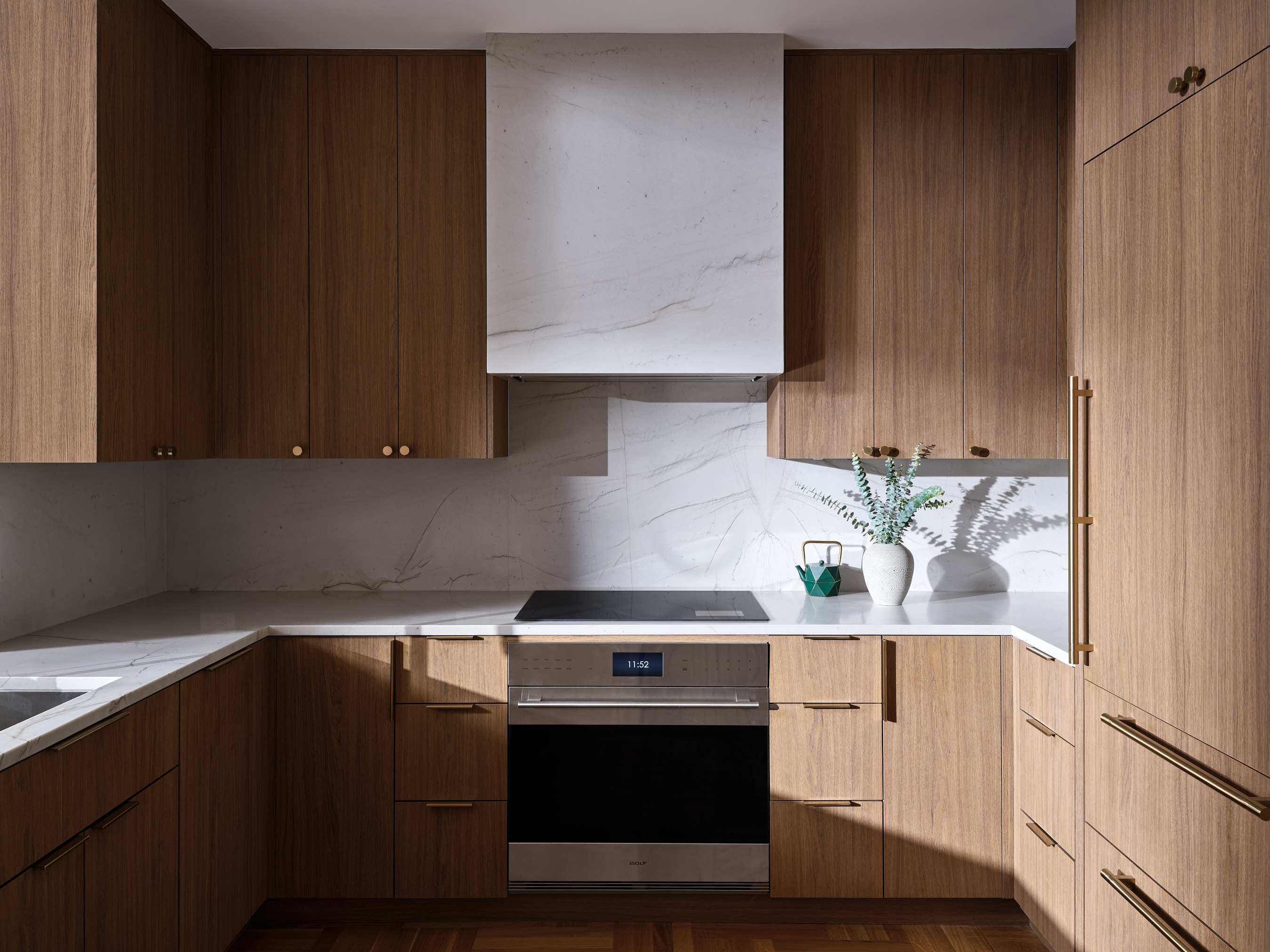
Cabinetry or stone ordered after demolition is one of the most reliable ways to delay a kitchen installation and push back every trade that follows. A streamlined renovation is one where long-lead items are identified, specified, and ordered during the pre-construction phase, not after demo begins. By the time walls are framed, those orders should be weeks into production.
Considering a Renovation in NYC?
Click to schedule a consultation with one of the principle partners at Gallery, who will hear out your renovation plans and let you know the best way to proceed - whether we end up working together or not.
Schedule Your Consultation
[#6]Late Design Changes And Indecision[#6]
Changes made after construction is underway almost always require redesign, re-approval, and rework. This is especially the case for changes affecting mechanical systems, millwork, or layouts. Even something simple as changing tile layouts or fixture locations can halt multiple trades while revisions are made and corrections are executed.
We understand changes happen, and this is far from a criticism of clients who change their minds. Renovations involve a lot of decisions, and some only feel real once you are standing in the actual space. The point is that the further into construction a change occurs, the more expensive and time-consuming the resolution becomes. Front-loading decisions during the design phase is the single most effective way to protect the construction schedule.
[#7]Unforeseen Conditions In Older Buildings[#7]
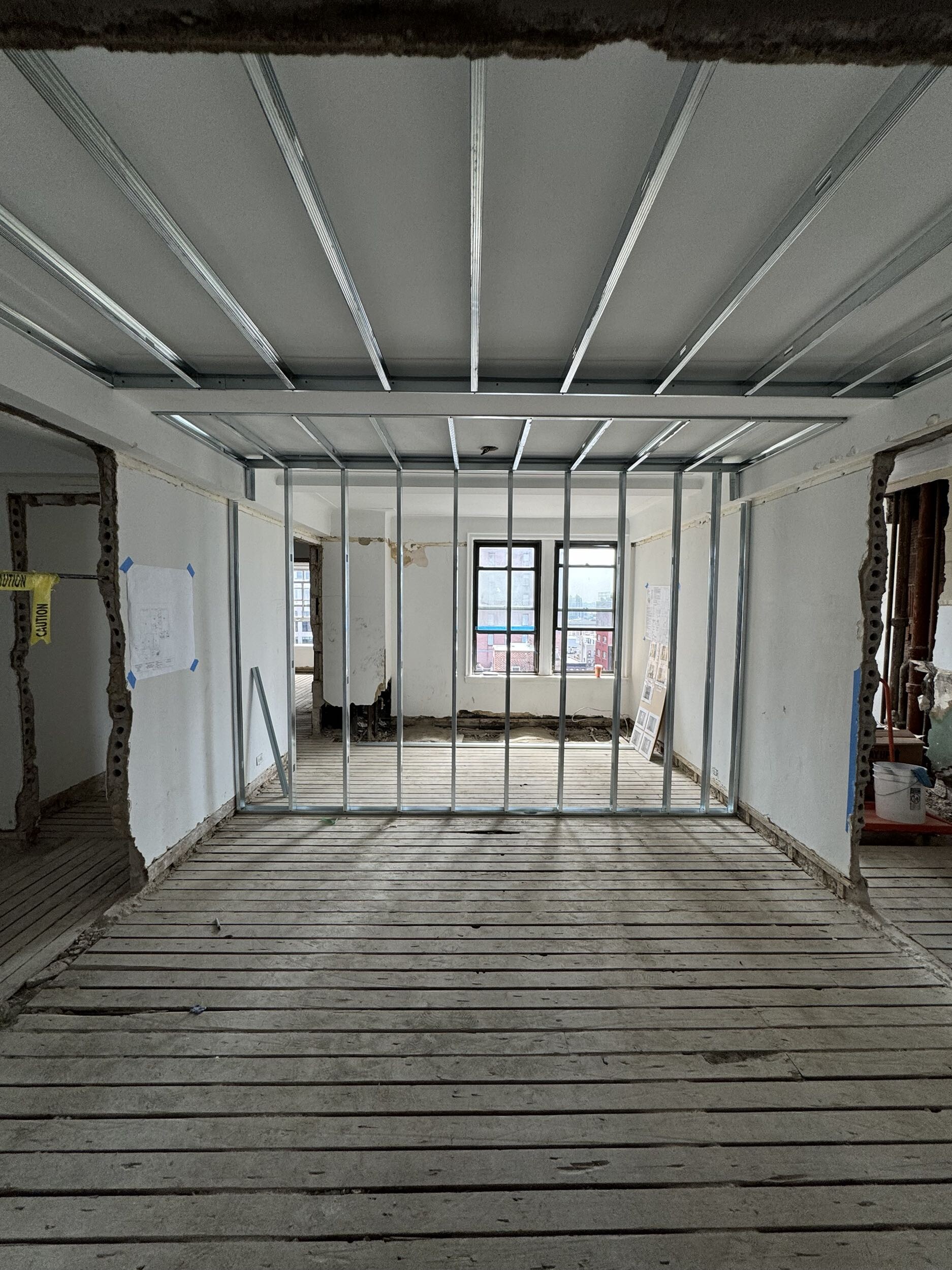
Thorough pre-construction due diligence surfaces the vast majority of cost and timeline risks before a project starts. But in older buildings (particularly pre-war co-ops and condos) some conditions remain concealed until walls come down.
Discovering non-code-compliant wiring, undocumented structural modifications, or asbestos-containing material in previously concealed areas requires remediation before work can continue. These situations add time and cost that weren’t in the original SOW. The best defense is aggressive pre-construction investigation: testing, probing, and confirming conditions in advance wherever possible, so genuine surprises are rare rather than routine. At Gallery, we do various pre-renovations tests to verify all site conditions are accounted for appropriately. In some instances, we will even walk-through spaces with clients who are considering purchasing with the intent to renovate, guiding them through whether or not the purchase will actually prove valuable - or become a money-pit. See how we helped one potential client avoid the latter below, then read our full page of testimonials.
“I'm very grateful to Alex from KBNY for his honest and realistic assessment of an estate apartment I was considering. He took the time to view the property and didn't sugarcoat the gut renovation, providing a clear picture of the costs and time involved. His upfront approach, knowing that it might risk losing my business, was invaluable in informing my decision on whether or not to move forward with the purchase.”
[#8]Inadequate Coordination And Oversight[#8]
Poor trade sequencing, missed dependencies between subcontractors, and insufficient daily oversight on site lead to inefficiencies and corrective work that extend schedules in ways that are difficult to trace back to any single event. Installing finishes before inspections are completed and then having to remove and reinstall is a straightforward example. Poor coordination between framing and trades is another.
What makes these problems so common in traditional renovation models is that the people making design decisions and the people managing construction are often working in silos, sometimes brought together only when something goes wrong. In an all inclusive design build setup, that gap closes. The project manager, designer, and trades are operating as a single coordinated unit from day one, which means trade sequencing is planned with knowledge of design intent, and decisions are made with full awareness of what’s happening on site.
When everyone is working in tandem, dependencies do not get missed. They get anticipated. A framing crew that is already aligned with the designer on wall locations, mechanical rough ins, and finish details does not create surprises for the trades coming in behind them. Daily site presence, real time documentation, and a project manager who understands the full project scope, design included, keeps each phase moving predictably into the next. That kind of oversight is not a luxury on a full renovation. It is what the all inclusive model is built around.
[#9]What Clients Can Expect From Gallery KBNY[#9]
At Gallery KBNY, we’re a New York Times-featured design-build firm in New York City with a full-service approach to residential renovations in Manhattan and Brooklyn that includes everything from interior design and architecture services to filing permits and construction management.
Our pre-construction process is specifically designed to surface the planning gaps, building constraints, and procurement risks that generate delays elsewhere - before the project is priced, before submissions are filed, and before a wall comes down. Scope is fully defined before construction starts. Long-lead items are identified and ordered during the approval phase. Board submissions are built to anticipate objections. And a dedicated project manager is on site every day to keep trades sequenced and moving.
Considering an apartment renovation in NYC? View our full portfolio of New York City renovation before and afters, learn more about Gallery KBNY, or simply contact us today.
Gallery KBNY is a full-service design-build firm featured in The New York Times, specializing in the architecture, interior design, and renovation of apartments, co-ops, condominiums, townhomes, and lofts across Manhattan and Brooklyn. Our integrated team of architects, designers, contractors, and project managers manages every phase from board approvals and DOB permitting through design and construction. A founding partner is involved in every project, start to finish. Because architecture, design, permitting, and construction are coordinated under one roof, the process remains streamlined, accountable, and transparent from start to finish. Our work has also appeared in Forbes, Architectural Digest, and Inc., and is backed by 100+ five-star client reviews.
[#10]Frequently Asked Questions About Delays In NYC Renovations[#10]
What Commonly Causes Delays In NYC Apartment Renovations?
The most common causes of renovation delays in New York City are:
- Incomplete Scope Definition At The Start Of The Project
- Co-Op And Condo Board Approval Timelines
- Dob Permit And Inspection Scheduling
- Building Logistical Constraints (IE: Work-hour Restrictions And Elevator Access)
- Long Lead Times For Custom Materials
- Late Design Changes During Construction
- Unforeseen Conditions In Older Buildings
- Inadequate Trade Coordination And Oversight
How Long Do Co-Op Board Approvals Take For A Renovation In NYC?
Co-op board approval timelines vary by building, but owners should budget eight to sixteen weeks for the full board review process on a substantial renovation, not including the time required to prepare the submission package. Buildings that meet monthly and require multiple rounds of review from a building engineer or reviewing architect can push this timeline considerably longer. A complete, well-prepared submission package is the most effective way to minimize revision cycles.
How Do DOB Permits Affect Renovation Timelines In NYC?
Projects requiring Department of Buildings filings are subject to external review timelines, inspection scheduling, and occasional objections that must be resolved before work can proceed. A delayed inspection or unexpected DOB objection can pause active construction even when the on-site work is otherwise ready to move forward. Filing permit applications early work with complete, code-compliant submissions minimizes the risk of rejections and delays.
What Are Long-lead Items In A Renovation And How Do They Cause Delays?
Long-lead items are materials with extended fabrication or delivery timelines, including custom cabinetry, stone countertops, specialty tile, high-end appliances, and custom millwork. These items commonly require eight to sixteen weeks from order to delivery. When they are selected or ordered after demolition has begun, they can delay kitchen and bathroom installations and push back every subsequent trade, extending the overall project completion date by months.
Can Late Design Changes Really Delay A Renovation Significantly?
Yes. Changes made after construction is underway (particularly those affecting mechanical systems, millwork, or layout) require redesign, re-approval, and often rework of completed tasks. The later in the construction phase a change occurs, the more disruptive and time-consuming the resolution. Front-loading all major design decisions before construction begins is the most effective protection against this category of delay.
How Can Unforeseen Conditions In Older NYC Buildings Be Managed?
Thorough pre-construction due diligence reduces the frequency of genuinely unforeseen conditions. This includes asbestos and lead testing in disturbed areas, wall and ceiling probing in demolition zones, electrical capacity verification, and plumbing feasibility confirmation. When conditions are investigated before work begins, most potential surprises are identified early and priced into the project rather than discovered mid-construction as emergencies.
What Is A Design-Build Firm And How Does It Reduce Renovation Delays?
A design-build firm manages architecture, interior design, permitting, board approvals, and construction under a single contract. Because the design and construction teams are the same team, scope is defined more precisely before construction starts, procurement planning begins at the design phase, and trade coordination is managed by the same people responsible for the overall project timeline. Gallery KBNY handles all co-op board submissions, DOB filings, and trade coordination in-house, eliminating the handoffs between separate parties that are a leading cause of schedule slippage.
How Much Does A Full Apartment Renovation Cost In NYC?
Costs vary significantly based on scope, building type, and finish level. A full gut renovation of a NYC apartment typically starts around $400 per square foot and can range considerably higher depending on level of finish, age of apartment, scope, and complexity. A reputable full-service design & build firm should be able to provide realistic cost ranges during an initial consultation before any commitment is made.
let’s
Design-Build
together