.avif)


.png)
.png)


Are Fixer Uppers in NYC Worth the Work?
Renovating a fixer-upper in NYC can be both rewarding and challenging. Here's how to ensure a smooth process.
October 17, 2025
|
Are Fixer Uppers in NYC Worth the Work?
Renovating a fixer-upper in NYC can be both rewarding and challenging, but it doesn't have to be stressful as long as you know where to start.
Table of contents
- Understanding Fixer-Upper Properties
- Assessing the Costs of Renovation
- Recognizing the Challenges and Risks
- Successful Strategies for Renovating in NYC
- View Our Fixer Upper Renovation Case Studies
- Conclusion
- FAQs About Renovating A Fixer-Upper In NYC
To some, fixer-uppers in New York City have a negative connotation, offering more work than they warrant. To others, fixer-uppers pose an amazing opportunity to unlock value amidst the Big Apple’s real estate landscape. With increased interest in home renovations in recent years, many are drawn to the allure of turning one of NYC’s neglected gems into a polished jewel. Between these peaks of promise and valleys of uncertainty, many are left wondering if investment in a NYC fixer-upper property is worth the work and cost involved.
In this article, we peel back the layers of opportunity with aim to discover the true essence of these urban renaissance projects.
[#understanding-fixer-upper]Understanding Fixer-Upper Properties[#understanding-fixer-upper]
In the world of NYC real estate, fixer-upper properties hold a distinct allure. These homes, often in need of substantial repairs and renovations, have the potential to transform from neglected structures into shining examples of architectural revival. But what exactly defines a fixer-upper property, and why do these homes have such appeal? In this exploration, we'll unravel the essence of fixer-uppers, emphasizing their unique context within the bustling real estate landscape of New York City.
Defining a Fixer-Upper
A fixer-upper property is typically a home requiring significant repairs, renovations, or cosmetic improvements. These homes often show signs of wear and neglect, whether it's peeling paint, outdated electrical wiring, outdated fixtures, structural issues, or a combination of these challenges. Fixer-uppers come in various shapes and sizes, from quaint brownstones in historic neighborhoods to spacious lofts with untapped potential.
The Allure of Fixer-Uppers
Fixer-upper properties hold a particular fascination for several reasons:
Potential for Value Appreciation
Renovating a distressed property can lead to substantial value appreciation, allowing homeowners to unlock value.
Personalization
Fixer-uppers provide an opportunity to create a home that aligns with your unique style and preferences, rather than settling for an existing design.
Location, Location, Location
In areas such Tribeca, UWS, Central Park West, and the UES, prime locations often come with higher price tags. Fixer-uppers in sought-after neighborhoods offer a chance to own property in desirable areas at a more manageable cost.
Investment Opportunities
Savvy investors recognize that renovating and reselling or renting out fixer-uppers can yield attractive returns.
Understanding the Renovation Process in NYC
In the context of New York City, the renovation process for fixer-upper properties comes with its own set of challenges and considerations:
Regulatory Complexity
NYC's stringent building codes and individual building regulations can make renovating a fixer-upper complex. Navigating permits and approvals is crucial to ensure compliance.
Cost Considerations
Renovations in the city can be costlier than in other areas due to labor expenses, time constraints due to work in a building, material costs, and the potential need for structural upgrades.
Timing Is Key
Renovations may require more time than anticipated, and the fast-paced NYC lifestyle necessitates careful planning to minimize disruptions. For more, read Aiming For A Summer Renovation? Here’s The Best Time To Hire A Contractor.
Contractor Selection
Choosing a reputable contractor with experience in NYC renovations is essential. Their understanding of local regulations and resources can significantly impact the success of your project. Don’t forget these 5 Questions To Ask A NYC General Contractor Before Hiring One.
Hidden Issues
Older properties may hide unforeseen issues, such as outdated electrical or plumbing systems, which can add unexpected expenses to the renovation. Set your expectations by reading Common Surprises When Renovating A NYC Apartment.
The Fixer-Upper Pre-Purchase Inspection Checklist
Before signing an offer on a NYC fixer-upper, walk the property against the checklist below. Each item flags a condition that materially changes either the renovation scope, the budget, or both. What you see during a walkthrough is your earliest signal of what the renovation will actually involve.
Category 01
Structure and Envelope
Wall and ceiling condition. Uneven surfaces, hairline cracks, or sagging.
What it signals
Settlement, hidden water damage, or out-of-square framing. May require partial structural reinforcement and plaster rebuild.
Floor flatness. Visible slope, soft spots, or springiness underfoot.
What it signals
Subfloor failure, joist deflection, or hidden water exposure. Floor leveling and structural work may need to precede any finish work.
Window and door operation. Sticky openings or visible misalignment in the frames.
What it signals
Building movement, swollen wood, or failed lintels. In landmarked buildings, window replacement triggers LPC review.
Category 02
Mechanicals and Systems
Open cabinets and access panels. Look at the actual pipes, traps, and supply lines, not just the fixtures.
What it signals
Galvanized or lead supply lines, cast-iron drains nearing end of life, or unpermitted plumbing modifications. May require full plumbing replacement.
Electrical panel and outlets. Number of breakers, type, and outlet count in each room.
What it signals
Knob-and-tube wiring, undersized service, or insufficient circuits for modern appliances. Full rewire may be required for any meaningful renovation.
Heating and cooling. Identify the system, age, and condition of radiators, vents, and condensers.
What it signals
Pre-war steam systems often require asbestos abatement before any wall opens. Through-wall AC sleeves trigger facade considerations in landmarked buildings.
Category 03
Finishes and Cosmetics
Kitchen and bathroom condition. Cabinet boxes, counter material, fixture brand and age.
What it signals
Kitchens and bathrooms drive resale comparable. Outdated examples here are the most common scope, and the most predictable.
Flooring condition. Original hardwood, layered subfloors, or carpet over unknown substrate.
What it signals
Original hardwood that can be refinished is a high-return retention. Layered subfloors typically need to come up to true the floor.
Ceiling heights and original moldings. Pre-war detail, crown profiles, and ceiling medallions.
What it signals
Architectural detail is hard to add and easy to lose. Original moldings in good condition are a meaningful value asset to preserve.
Category 04
Legal and Documentation
Prior renovation history. Ask the seller and listing broker what has and has not been touched.
What it signals
Unpermitted prior work can surface during your filing review and create remediation obligations. Permitted history is verifiable through DOB filings.
Open DOB violations or ECB findings. Search the address before submitting an offer.
What it signals
Open violations transfer with the property. Some must be cleared before your renovation can be permitted. Verify status before closing.
Building's alteration history and posture. Ask the broker how recent owner renovations have gone.
What it signals
Some co-op boards are renovation-friendly; others are restrictive. The board's posture directly determines what scope is realistically approvable.
Source: Gallery KBNY pre-purchase walkthrough framework for fixer-upper buyers in Manhattan and Brooklyn. For more on what surfaces during demolition, see our guide to common surprises when renovating a NYC apartment.
[#costs]Assessing the Costs of Renovation[#costs]
Investing in a fixer-upper in New York City can be a rewarding endeavor, but understanding the full scope of costs is paramount. The financial landscape of renovating a property in NYC is distinctive and requires careful consideration. Here, we break down the typical expenses involved in renovating a fixer-upper, offering NYC-specific examples to provide a realistic view of potential investments.
Purchasing Costs
The first significant expense is the purchase price of the property itself. In NYC, real estate prices vary widely based on location, size, and condition. For instance, a townhome in a historic neighborhood near Central Park can cost several million dollars, while a fixer-upper condo in an emerging area in BK may be comparatively affordable, but still a significant investment.
Renovation Expenses
Renovation costs encompass a broad range of expenses, including:
Materials
Aside from site conditions and desired layout changes, one of the biggest swings in cost for your renovation is posed by the chosen quality of materials. For instance, high-end kitchen appliances, fixtures, or custom millwork will significantly impact your budget. In NYC, materials may be slightly pricier due to the cost of transportation and labor. For more on maximizing your material choices, read Navigating Material Choices for your NYC Renovation: Top Tips.
Labor
Skilled labor is essential in NYC, and labor costs tend to be higher compared to other areas. Renovation professionals, such as contractors, plumbers, and electricians, command competitive wages.
Architectural and Design Fees
If your renovation project requires architectural or design services, factor in their fees, which can range from a few thousand to several tens of thousands of dollars. If sourcing and managing various contractors seems like a daunting task, consider a full-service design-build firm that specializes in start-to-finish renovations, handling everything from interior design and architectural services to construction management and expediting (permits, approvals, testing) on your behalf.
Permit Fees
NYC's stringent building regulations necessitate permits for most renovation projects. Permit fees vary depending on the scope of work and can range from a few hundred to several thousand dollars. For example, a simple bathroom renovation may require permits costing around $1,000, while a full gut renovation of a brownstone could entail permit fees of $5,000 or more.
Contingency Budget
Unforeseen issues are par for the course in renovations, especially in older properties. NYC-specific examples include the discovery of outdated plumbing or electrical systems that must be replaced to meet code requirements. Setting aside a contingency budget of 10% of your total renovation costs is advisable to cover unexpected expenses although working with a full service design & build firm can help mitigate many of the unforeseen costs.
Carrying Costs
While renovating, you'll likely incur ongoing expenses of carrying multiple properties since most fixer uppers and uninhabitable during construction.
The Fixer-Upper Math
A fixer-upper makes financial sense only when the all-in investment lands meaningfully below comparable post-renovation sales in the same building or neighborhood. The framework below maps every component of that all-in number, then sets it against the value side of the equation.
Side A
Total Investment
Purchase Price
The contracted price at closing. In NYC, prices vary widely by location, size, and condition; the right fixer-upper is priced at a meaningful discount to comparable post-renovation units.
Plus
Closing costs, mortgage origination fees, flip taxes, and transfer taxes.
Renovation Budget
Labor, materials, finishes, permits, and architectural or design fees. Tier-dependent; cosmetic refresh through full gut renovation span an order of magnitude.
Plus
10 to 20 percent contingency reserve for hidden conditions and mid-project scope.
Carrying Costs
Monthly mortgage, common charges, property tax, and building assessments accruing throughout the renovation. The unit cannot offset these with rent or use.
Plus
Temporary housing or current lease overlap if the unit is uninhabitable.
Soft Costs
Building security deposit (refundable but tied up), board administrative and legal fees, expedited permit services, and furniture storage during construction.
Plus
Moving costs, both into temporary housing and into the finished unit.
Sum of Side A
All-In Investment
Comparison anchor
This is the number that must come in under comparable post-renovation sales to justify the work.
Side A
All-In Investment
Purchase plus renovation plus carrying plus soft costs. The number you have actually committed to the property by the time the renovation is complete.
Side B
Post-Renovation Value
Realistic resale value once work is complete, anchored to recent comparable sales in the same building or building tier, not aspirational pricing or market-peak comparables.
The decision rule
A fixer-upper is worth pursuing when Side B exceeds Side A by a margin large enough to absorb timeline overruns, market softness, and the buyer's own opportunity cost. If the two sides are close, the project is not a fixer-upper opportunity, it is a discounted apartment with a renovation attached.
Source: Gallery KBNY fixer-upper evaluation framework for NYC buyers. For a deeper side-by-side analysis, see our breakdown on buying a turnkey apartment vs renovating a fixer-upper.
[#challenges]Recognizing the Challenges and Risks[#challenges]
While the promise of transforming a fixer-upper into your dream home is enticing, it's essential to recognize the unique challenges and inherent risks that come with renovating properties in New York City. In this section, we delve into the specific obstacles and potential pitfalls you may encounter when embarking on a fixer-upper renovation project in the Big Apple.
Fixer-Upper Green Flags vs Red Flags
Every fixer-upper has some work to do; the question is whether it has the right kind of work. The signals below separate a fixer-upper worth pursuing from one that should send the buyer back to the listing pool. A property does not need to be perfect on the green-flag side to be a buy, but a single significant red flag is reason enough to walk.
Pursue
Green Flags
Indicators the property is worth a serious offer
Sound structure with cosmetic neglect
Walls plumb, floors flat, windows operating. The work needed is finishes, fixtures, and layout, not structural reinforcement.
Original architectural detail intact
Pre-war moldings, ceiling heights, hardwood floors, and proportions worth preserving. Detail you cannot add for any price post-renovation.
Renovation-friendly board posture
Recent owner renovations have moved through the building. Approval cycles are predictable; the board is not actively restrictive of typical scope.
Clean DOB filing history
No open violations on the address, prior work permitted appropriately, and no inherited remediation obligations.
Neighborhood with appreciation trajectory
Comparable units trading higher post-renovation than the all-in cost of purchase plus renovation. Confirmable through broker comps and recent sale data.
Below-market purchase price
Property priced at a meaningful discount that creates room for renovation costs plus a margin. The discount is the entire economic case for a fixer-upper.
Walk
Red Flags
Indicators that should send you back to the listing pool
Structural compromise
Visible settlement, sagging floors, or major cracks. Structural repair in a NYC building requires engineering, board sign-off, and significant cost beyond cosmetic budgets.
Open DOB violations on the address
Violations transfer with the property. Some must be cleared before your renovation can be permitted, adding months and unknown costs to the timeline.
Unpermitted prior renovation work
Layout changes or wet-over-dry work done without permits surface during your filing review and create remediation obligations on you, the buyer.
Restrictive or hostile board
Board has rejected or heavily restricted recent owner renovations. The scope you want may not be approvable at any budget.
No room between price and post-renovation comps
Purchase price plus realistic renovation cost approaches or exceeds the comparable post-renovation sales in the building. The math does not work.
Stalled or pending building assessment
A building-wide capital project or special assessment that lands during your renovation can compress access, schedule, and budget simultaneously.
How to score
Read the columns asymmetrically
Green flags accumulate evidence the property is a buy. Red flags do not balance against them: a single significant red flag is sufficient reason to walk, regardless of how many green flags the property carries. The cost of being wrong is paid by the buyer, not the seller.
Source: Gallery KBNY pre-purchase evaluation framework for NYC fixer-uppers. For a quantitative side-by-side of the buy-and-renovate route versus turnkey, see our analysis on buying a turnkey apartment vs renovating a fixer-upper.
Stringent Regulatory Hurdles
Navigating NYC's complex building codes, zoning regulations, and permit requirements can be a daunting task. Renovation projects often necessitate a web of permits and approvals, each subject to stringent scrutiny. The slightest oversight or non-compliance can lead to costly delays or even project abandonment.
Property Condition Disclosure
Sellers in NYC are required to provide a property condition disclosure, but the extent and accuracy of this information can vary. Hidden issues discovered post-purchase can lead to disputes or unexpected expenses.
Renovation Pitfalls
Renovating a fixer-upper can uncover unexpected issues, particularly in older buildings. Structural problems, outdated electrical systems, or hidden plumbing issues can inflate renovation costs and extend project timelines.
Cost Overruns
In the fast-paced environment of NYC, labor and material costs can escalate quickly. Your renovation budget should include a substantial contingency fund to accommodate unforeseen expenses and cost overruns.
Fierce Competition
The NYC real estate market is fiercely competitive, with both local and international investors vying for prime properties. This intense competition can drive up property prices and potentially reduce the return on investment, especially in sought-after neighborhoods.
Market Fluctuations
The NYC real estate market is known for being volatile. While the city's property values have historically appreciated, market fluctuations can impact the timing and profitability of your investment. Economic downturns or unforeseen events can lead to temporary stagnation or price declines.
Construction Challenges
Logistical challenges are common in NYC's densely populated neighborhoods. Limited parking, narrow streets, and restricted delivery schedules can complicate the construction process and potentially lead to delays. Proper proactive planning can limit these disruptions.
[#strategies]Successful Strategies for Renovating in NYC[#strategies]
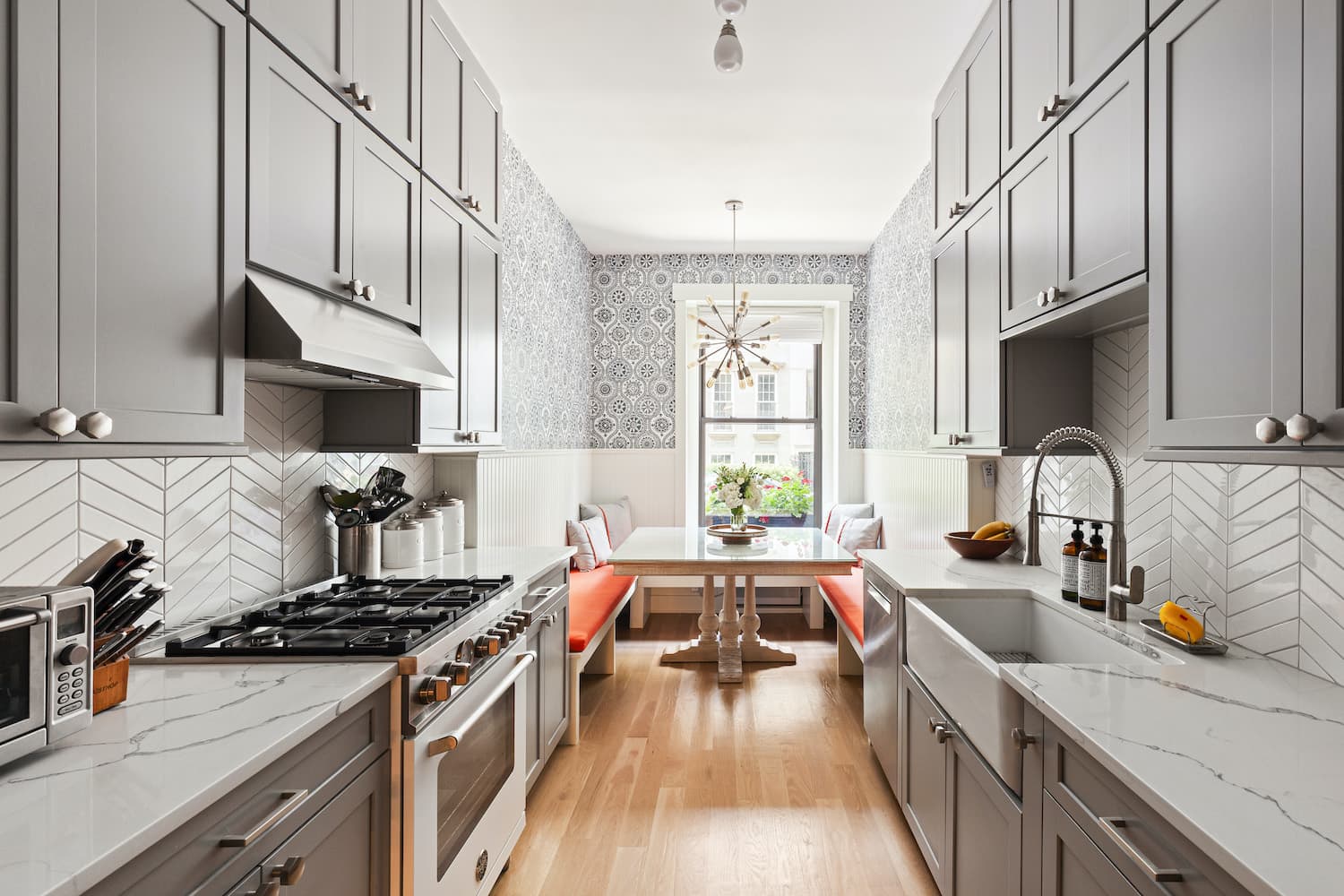
Investing in and renovating fixer-upper properties in New York City can be a lucrative venture when approached strategically. Here are actionable tips and strategies to ensure a successful renovation project in the heart of the Big Apple:
Property Selection
Location Research
Begin by researching neighborhoods with potential for growth and appreciation. Consider factors like proximity to public transportation, schools, amenities, and local development projects.
Cost-Benefit Analysis
Assess the property's purchase price in relation to the renovation costs and potential market value post-renovation. A property with a reasonable purchase price and strong appreciation potential is ideal.
Inspection
Conduct a thorough property inspection to identify existing issues and estimate renovation costs accurately. Hire a professional inspector to uncover hidden problems that might impact your budget, or discuss the property with a knowledgeable design-build firm before purchasing to get a cursory inspection prior to making any significant movement towards purchase.
Working with Contractors
Select Experienced Professionals
Choose experienced contractors with a proven track record in NYC renovations. Check references and past projects to ensure their suitability for your specific project. For an example of Gallery’s work, view our full portfolio of before and after renovations in Manhattan and Brooklyn.
Detailed Contracts
Create detailed contracts that outline project scope, timelines, milestones, and payment schedules. This ensures clear expectations and accountability.
Permit Expertise
Work with contractors who are well-versed in NYC's permitting process. Their knowledge of local regulations can expedite approvals and prevent costly delays.
Navigating Regulations
Permit Acquisition
Start the permit application process early to minimize delays. Engage with a permit expediter if necessary to navigate the complexities of NYC's regulatory landscape. With Gallery, we handle this process on your behalf, starting the permitting process immediately upon signing a contract.
Compliance
Ensure that your renovation complies with local building codes and zoning regulations. Non-compliance can lead to costly fines and project setbacks.
Historic Districts
If your property is in a historic district, be prepared for additional regulations and restrictions. When working with Gallery, we speak with the Landmarks Preservation Commission (LPC) for our clients, making sure all materials are Landmark compliant.
Renovation Timeline Management
Detailed Planning
Develop a comprehensive project plan that outlines tasks, timelines, and dependencies. This will help you stay on track and manage expectations.
Regular Communication
Maintain open lines of communication with your contractor and project team. Regular updates and meetings can address issues promptly and keep the project moving smoothly.
Contingency Planning
As delays can be common in NYC renovations, build a contingency buffer into your project timeline. This allows for unexpected setbacks without compromising your renovation goals.
Quality Control
Prioritize quality over speed. Rushed renovations can lead to costly mistakes. Ensure you’re working with an experienced partner that will adhere to the high standards of your renovation and take the time required to fully understand and appreciate the requests you’re making to maximize the potential of your fixer-upper.

[#case-studies]View Our Fixer Upper Renovation Case Studies[#case-studies]
At Gallery, we’ve helped upgrade our fair share of fixer-uppers in NYC. Review a few of our favorite fixer-upper renovations below, or view our complete NYC renovation portfolio.
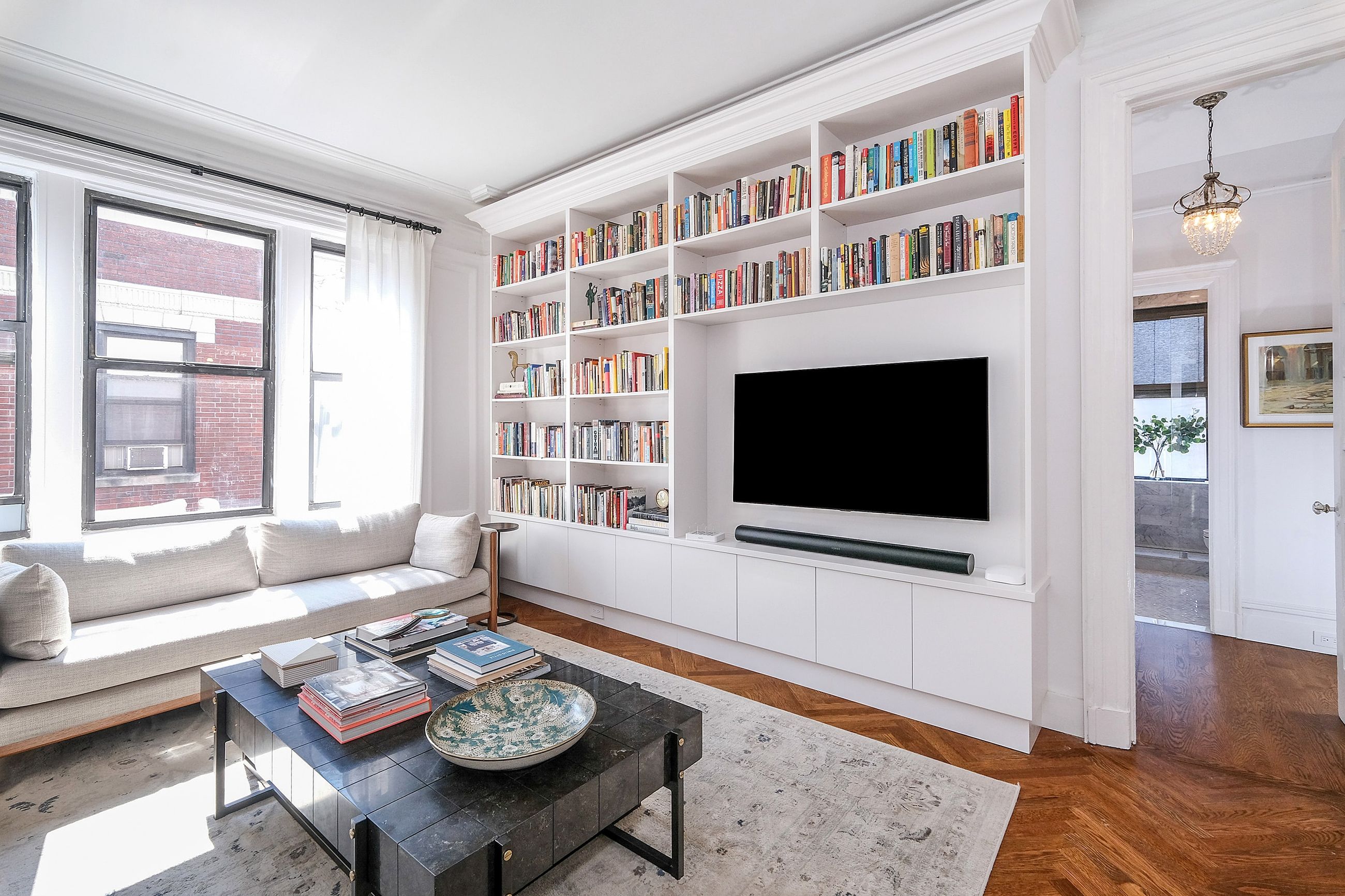
Upper West Side Pre-War Co-op Renovation | 801 West End Ave
When we were hired for this co-op renovation on the Upper West Side, the dated pre-war space needed some work. The family purchased the Manhattan home near Broadway with the intention of reinvigorating the spacious property without losing the historic character. With a speciality in pre-war renovations in NYC, we were happily up for the challenge. View the full apartment combination before and after.

NYC Condo Renovation In Carnegie Hill | 8 East 83rd
This Manhattan renovation placed us within a block of Central Park in Carnegie Hill to deliver a complete overhaul of an ideally-located 1800-square-foot condo. This full home renovation was for a young family, whose newly-purchased sponsor unit, estate condition property in a post-war building warranted quite a bit of love. By delivering a complete interior renovation of the condo, including two bathrooms, kitchen, floors, lighting, and custom millwork, we provided a modern, highly-functional space the family can proudly call home for years to come. View the full condo renovation before and after.
[#conclusion]Conclusion[#conclusion]
In the high-stakes world of NYC's real estate, fixer-upper properties stand as both opportunities and challenges. The potential for substantial returns on investment is undeniable, with the chance to create personalized living spaces and unlock hidden property values. However, the path to success is paved with regulatory hurdles, market volatility, and renovation complexities. The decision to invest in a NYC fixer-upper ultimately hinges on your individual circumstances, risk tolerance, and goals.
If you’re ready for the challenge of renovating a fixer-upper in NYC and searching for the right partner, consider Gallery KBNY. We are a New York Times-featured design-build firm in New York City with a full-service approach to renovations in Manhattan and Brooklyn that includes everything from interior design and architecture services to filing permits and construction management. We’re experts in pre-war apartment renovations, apartment combinations, room creations, full gut renovations and all that falls in between. For more information, read Cost Comparison: Buying A Turnkey Apartment Vs Renovating A Fixer Upper In Manhattan, learn more about Gallery, or contact us today.
Gallery KBNY is a full-service design-build firm featured in The New York Times, specializing in the architecture, interior design, and renovation of apartments, co-ops, condominiums, townhomes, and lofts across Manhattan and Brooklyn. Our integrated team of architects, designers, contractors, and project managers manages every phase from board approvals and DOB permitting through design and construction. A founding partner is involved in every project, start to finish. Because architecture, design, permitting, and construction are coordinated under one roof, the process remains streamlined, accountable, and transparent from start to finish. Our work has also appeared in Forbes, Architectural Digest, and Inc., and is backed by 100+ five-star client reviews.
[#FAQ]Frequently Asked Questions About Renovating A Fixer-Upper In NYC[#FAQ]
Are Fixer-Uppers In NYC Worth It?
For the right buyer with a clear plan, yes. The core appeal is value creation: purchasing a property below market rate in a desirable location and unlocking its potential through renovation. In neighborhoods where turnkey inventory is limited or priced at a premium, a fixer-upper can be one of the few practical paths to owning in a location you actually want.
That said, the math only works when renovation costs are understood before the offer is made, not after closing. Buyers who purchase on potential alone, without a realistic picture of what the renovation will require, frequently find that the gap between purchase price and total investment is narrower than they expected. Doing the feasibility work upfront is what separates a smart fixer-upper purchase from an expensive lesson.
What Defines A Fixer-Upper Property In New York City?
In the context of NYC real estate, a fixer-upper is any property requiring significant repairs, system upgrades, or cosmetic improvements before it is livable at the standard the buyer intends. That can range from a pre-war co-op in estate condition with original plumbing and electrical to a post-war condo that simply needs a complete interior overhaul.
What distinguishes a NYC fixer-upper from one in other markets is the additional layer of building-specific constraints. Outdated finishes are only part of the picture. The infrastructure behind the walls, the building's rules about permitted work, and the approval process required before anything can be touched are all variables that shape the scope and cost in ways that buyers often do not anticipate.
How Do You Assess The True Cost Of Renovating A Fixer-Upper In NYC?
Start with a pre-purchase walkthrough conducted by an experienced renovation firm, not just a standard home inspector. A structural engineer or building inspector can identify surface-level conditions, but a firm with deep experience in NYC apartment renovations will evaluate the electrical service capacity, plumbing configuration, HVAC feasibility, floor leveling needs, and the building's rules around permitted scope, all of which directly affect cost.
From there, renovation costs in New York City are shaped by four main variables: materials, labor, permit and professional fees, and contingency for unforeseen conditions. Labor alone tends to be the largest line item in any NYC project. A contingency reserve of at least ten to twenty percent is not optional. In older buildings, it is a standard operating assumption.
What Are The Biggest Risks Of Buying A Fixer-Upper In NYC?
The risks that cause the most damage are the ones that were knowable before purchase but were not investigated. Hidden structural problems, outdated or undersized electrical service, failing plumbing, and the presence of asbestos or lead-based materials are common in pre-war buildings and frequently only surface once demolition begins.
Beyond physical conditions, regulatory and building-specific risks matter just as much. A building that restricts certain types of mechanical work, requires extensive board approvals, or sits within a landmark district can limit what is achievable in ways that fundamentally change the renovation's scope and budget. Understanding those constraints before signing a contract is what gives a buyer real negotiating leverage and realistic expectations.
What Hidden Costs Do Buyers Overlook When Renovating A Fixer-Upper In NYC?
The most commonly overlooked expenses fall into two categories: physical and logistical.
On the physical side, concealed conditions discovered during demolition, such as outdated plumbing that must be replaced to meet code, deteriorated framing, or hazardous materials requiring remediation, add costs that were not in the original budget. On the logistical side, buyers frequently underestimate carrying costs during the renovation period. Mortgage payments, maintenance fees, and property taxes continue throughout construction, often alongside temporary housing expenses. Permit fees, expediting costs, and any fees charged by the building or managing agent for renovation oversight are additional line items that do not typically appear in a contractor's initial proposal.
How Do You Choose The Right Neighborhood For A NYC Fixer-Upper?
Focus on neighborhoods with demonstrated appreciation trajectories, strong infrastructure, and access to transit. In Manhattan, areas like the Upper West Side, Upper East Side, and Tribeca have historically held value well precisely because location demand is durable regardless of market cycles. In Brooklyn, neighborhoods like Carroll Gardens, Cobble Hill, and parts of Bed-Stuy offer pre-war building stock with renovation potential at lower entry points than comparable Manhattan inventory.
Beyond appreciation potential, consider what the building allows. The most desirable neighborhoods in New York City often come with the most regulated buildings, whether through landmark district requirements, co-op board conservatism, or landmark preservation restrictions on exterior changes. A great location inside a building that heavily restricts renovation scope can limit your ability to realize the property's potential.
What Should You Look For During A Fixer-Upper Walkthrough In NYC?
In addition to the obvious cosmetic conditions, focus on the things that drive renovation cost and feasibility. Check ceiling and wall surfaces for unevenness, which often signals deeper structural issues or significant floor leveling requirements. Open cabinets and closets to get a view of plumbing conditions and electrical panel locations. Ask the seller or listing agent what has and has not been updated, and when. Any apartment where the answer is "nothing has been touched" in several decades should be evaluated with the assumption that electrical, plumbing, and potentially HVAC systems are at or past the end of their serviceable life.
Ideally, bring a renovation firm to the walkthrough before making an offer. A team with genuine NYC renovation experience can identify risk areas that are not visible to the untrained eye and give you a preliminary read on feasibility and likely cost range before you are financially committed.
How Does Landmark Status Affect A Fixer-Upper Renovation In NYC?
Significantly. Buildings located in historic districts or individually landmarked structures require Landmarks Preservation Commission approval for any work that affects the exterior, including windows, doors, facade materials, and rooftop elements. The LPC has strict guidelines about what modifications are permissible, and approvals are not guaranteed.
This adds a review layer before DOB permits can be filed, extending the pre-construction timeline by weeks or months. It also constrains design options in ways that buyers do not always factor into their renovation vision. That said, landmark approvals are navigable with the right expertise. The key is knowing what the building's status is before purchasing, and working with a firm that has experience submitting LPC-compliant renovation plans.
How Do You Create A Realistic Renovation Budget For A NYC Fixer-Upper?
Begin with a detailed scope of work developed in consultation with your renovation firm, not a ballpark per-square-foot estimate applied to the whole apartment. The scope determines which line items actually apply to your project, and in fixer-upper renovations, the variance between a light refresh and a full gut renovation is measured in hundreds of thousands of dollars, not tens of thousands.
Once the scope is defined, get itemized estimates that separate labor, materials, permit and professional fees, and any specialty work. Add a contingency of at least ten to twenty percent above the total. Then layer in the non-construction costs: carrying costs during renovation, temporary housing if needed, and any building fees associated with the approval and construction process. The total of all those numbers is your actual renovation investment, and it should inform your offer price, not come as a surprise after you have already closed.
What Strategies Help A NYC Fixer-Upper Renovation Go More Smoothly?
Start planning before closing. The contract period is the right time to engage a renovation firm, begin design development, and identify the permit and approval requirements specific to your building. Buyers who wait until after closing to start this process lose weeks of lead time and often face a longer gap between move-in and possession.
Work with professionals who have direct experience with your building type. A firm that has renovated pre-war co-ops extensively understands the specific approval dynamics, infrastructure challenges, and logistical constraints of that environment in a way that a generalist contractor does not. Maintain a contingency buffer in both budget and timeline, and resist the temptation to expand scope mid-construction. Changes after construction begins create ripple effects across every trade and can compound delays in ways that are difficult to recover from.
Is It Better To Buy A Fixer-Upper Or A Turnkey Apartment In NYC?
It depends on your time horizon, tolerance for uncertainty, and ability to carry costs during a renovation period. A turnkey property offers immediate occupancy and predictable costs. A fixer-upper in the right location, purchased at the right price, offers the opportunity to build equity through renovation and end up with a home that reflects your preferences rather than someone else's design choices.
The variable that determines which path makes more financial sense is renovation cost accuracy. Buyers who purchase a fixer-upper without a realistic renovation budget frequently find that their total investment approaches or exceeds what a turnkey property in the same building would have cost. The purchase price discount only creates real value when the renovation is scoped, priced, and executed with discipline.
Manhattan Design-Build
Evaluate Your Manhattan Apartment
Before You Buy
Buying an apartment you plan to renovate? A founding partner walks it with you during the contract period and maps the scope, cost, and timeline, so you know exactly what you're taking on before you sign.
As seen in
Pre-Purchase Assessment
Walk the apartment with us first and understand the full scope, cost, and timeline before you close.
or call us directly
let’s
Design-Build
together