.avif)


.png)
.png)


Kitchen Renovation Ideas for NYC Homes
Inspiration for NYC kitchen renovations that merge architecture, craftsmanship, and modern luxury.
November 14, 2025
|
Kitchen Renovation Ideas for NYC Homes
Smart kitchen renovation ideas for NYC homes. Learn how design-build expertise turns tricky NYC kitchens into beautiful, functional spaces.
Table of contents
- Kitchen Renovation Tips That Work
- Kitchen Renovation Ideas To Maximize Your Space
- Why Work With A Design-Build Firm In NYC
- Frequently Asked Questions On NYC Luxury Kitchen Renovations
Designing a kitchen during a New York City renovation comes with unique challenges: limited square footage, strict building rules, and the need to balance beauty with everyday function. Still, the kitchen is the heart of the home, and thoughtful design can make even the smallest space feel luxurious and livable.
Instead of starting with trends or a Pinterest board, begin by asking yourself: What frustrates me most about my current kitchen? Whether that’s lack of storage, poor layout, or insufficient lighting, identifying pain points helps guide the design toward solutions that feel both stylish and practical.
[#1]Kitchen Renovation Tips That Work[#1]
With countless options to consider, your priority should be focusing on principles that make your kitchen renovation more successful. Start with these essentials:
.jpeg)
Don’t Chase Brands, Choose Quality
Luxury appliances and finishes can elevate your kitchen, but focusing solely on brand names often drives costs beyond reason. Many lesser-known manufacturers offer comparable quality at more approachable price points. At Gallery, we help our clients connect with vetted vendors, pass along trade discounts, and ensure every selection aligns with your overall plan.
Know Your Contractor Before You Commit
Kitchen renovations are immersive. You’ll be working closely with your contractor for weeks (sometimes months), so trust and communication matter as much as price. Beyond a detailed estimate, look for a partner who proactively identifies hidden costs and potential timeline hiccups, so you’re never blindsided. Help yourself choose wisely with an array of relevant articles from the Choosing A Contractor In NYC section of our Design & Reno Blog.
.jpeg)
Expect Adjustments Along the Way
Even the most detailed plans evolve once demolition begins. Structural quirks, building codes, or even budget refinements can require changes. The key is flexibility—sometimes the “second choice” solution turns out better than the original vision. At Gallery, we communicate proactively with clients throughout the project, even planning mid-renovation walk-throughs in order to help them visualize their layout in person, make informed decisions and adjust in real time, if needed. Learn more about The Power of Real-Time Floor Plan Walk-Throughs In NYC Renovations.
[#2]Kitchen Renovation Ideas To Maximize Your Space[#2]
When the big picture falls into place, the details are what truly elevate the space.
.jpeg)
Consolidate Clutter & Add Luxe Appeal With Accessories
Clutter-free kitchens feel instantly elevated. Pull-out spice racks, appliance garages, toe-kick drawers, and built-in organizers help maximize every inch of cabinetry. These small details deliver a huge daily impact. For various examples of savvy storage solutions we’ve implemented for our clients, read The NYC Kitchen Accessories Guide: Smarter Storage, Sleeker Design.
%2520copy.jpeg)
Multipurpose Islands
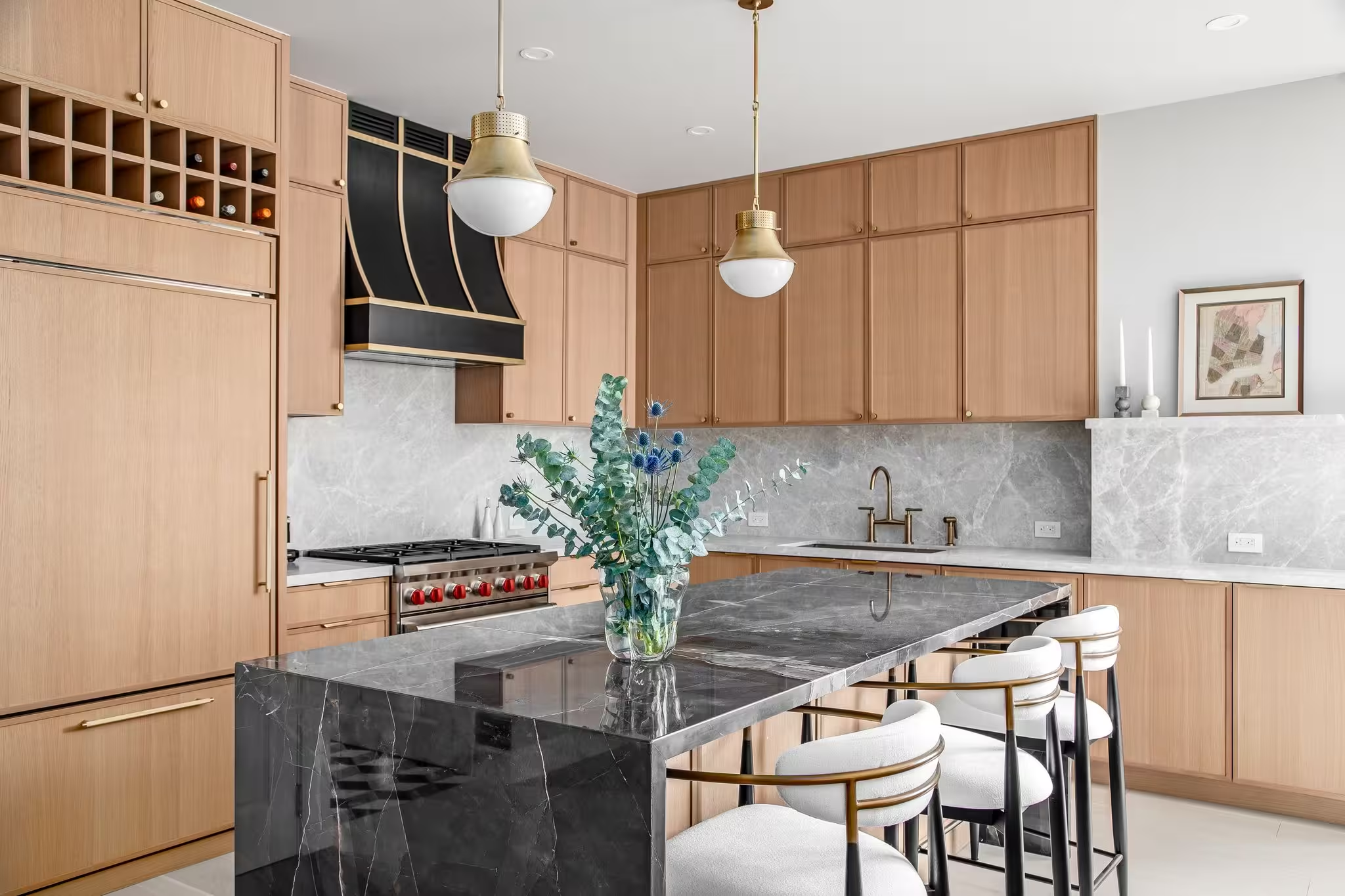
In NYC apartments, islands are the centerpiece of your kitchen, doubling as dining tables, storage hubs, and oftentimes the hang-out hub for guests. That said, make the most of them. Consider islands with integrated outlets, hidden refrigeration drawers (see an example from our Greenpoint condo renovation at 21 India St), or overhangs that seat guests comfortably.
-min.jpeg)
Smart Lighting Layers
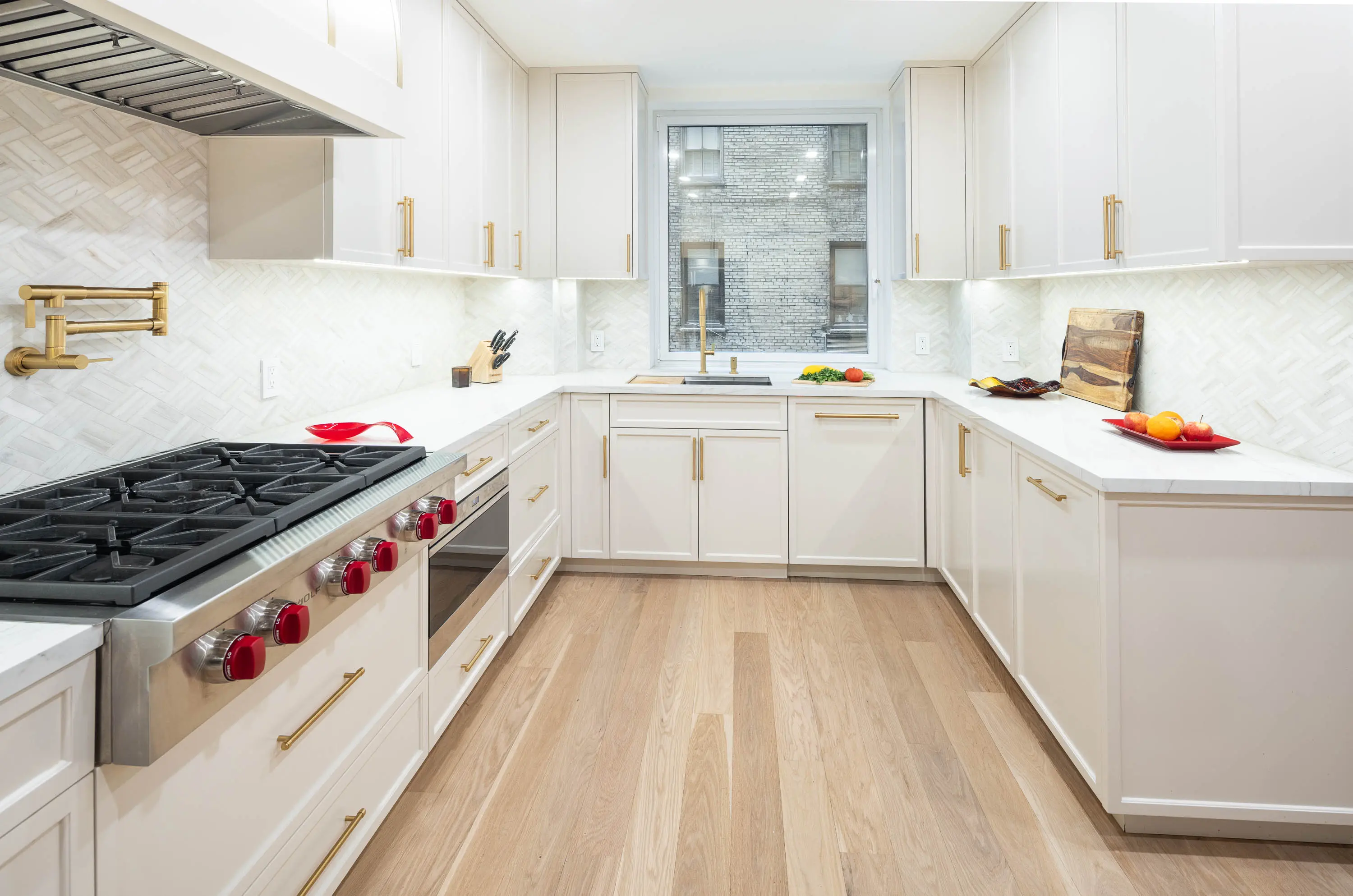
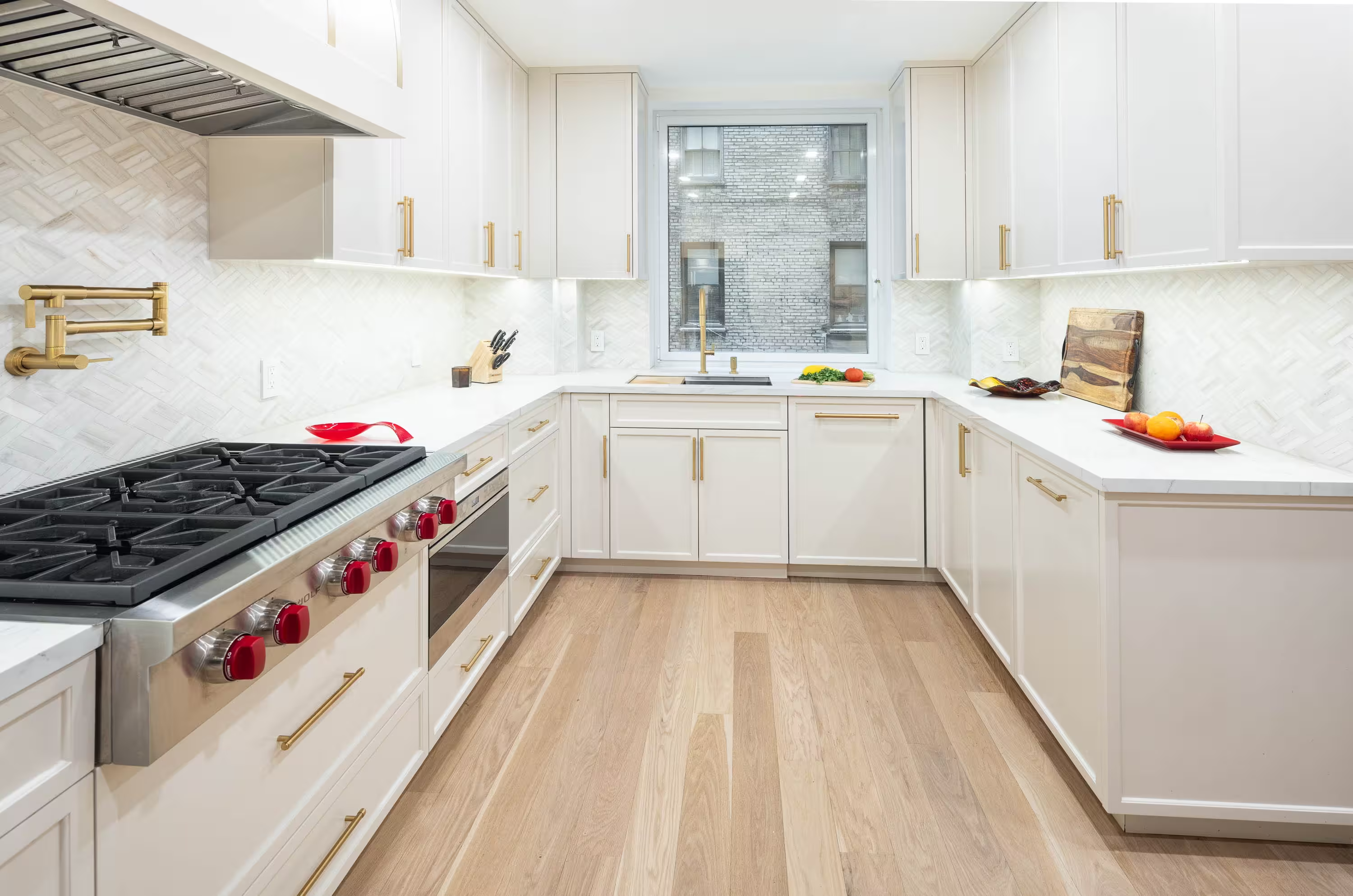
Overhead lighting isn’t enough. Pair statement ceiling fixtures with under-cabinet task lighting (see example from our Yorkville co-op renovation at 250 East 87th) and accent lighting inside glass-front cabinetry like we added in our UES pre-war co-op renovation at 308 East 79th Street. The thoughtful mix blends both function and mood, especially in open-concept homes.

Statement Finishes in Small Doses
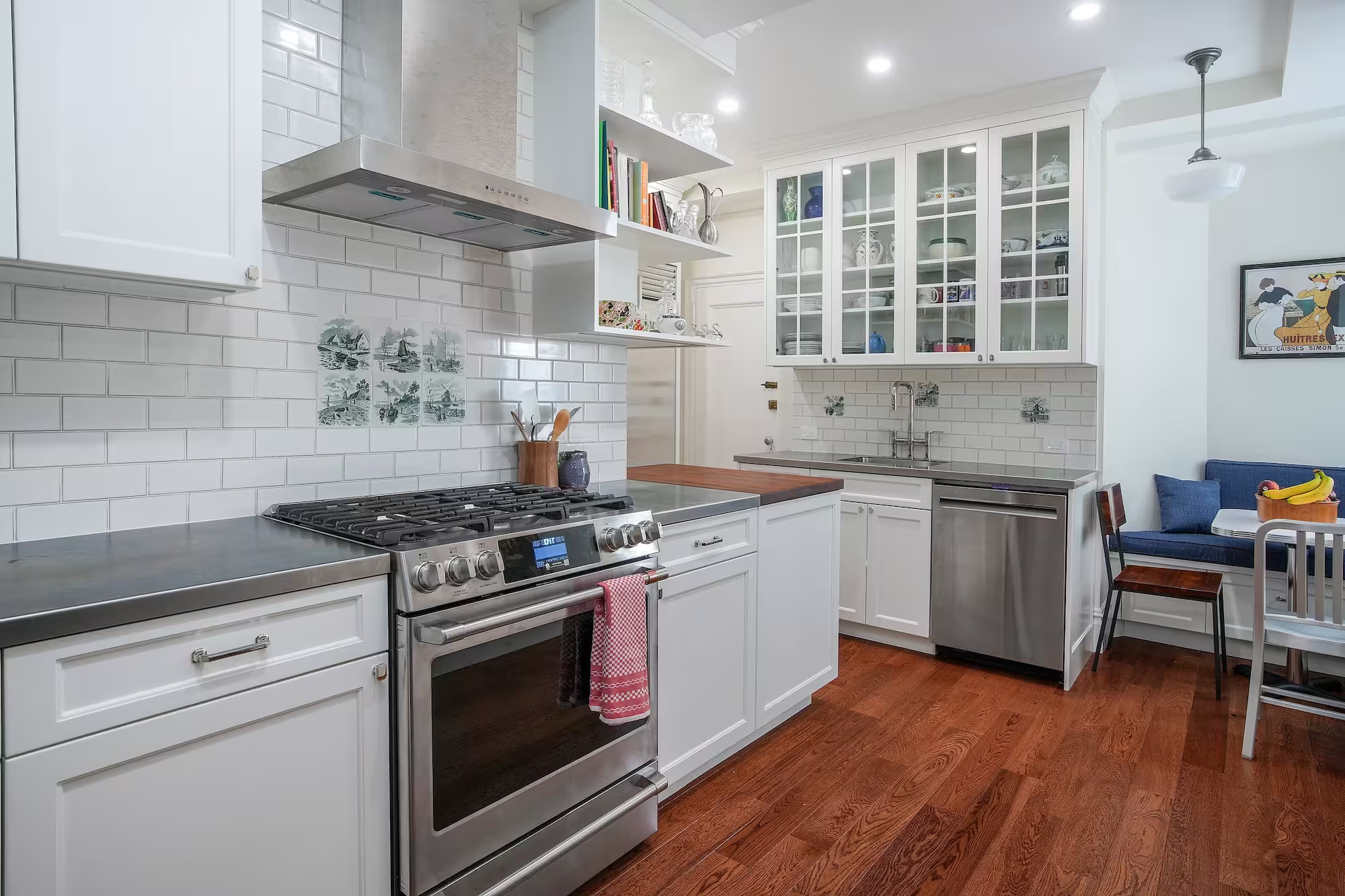
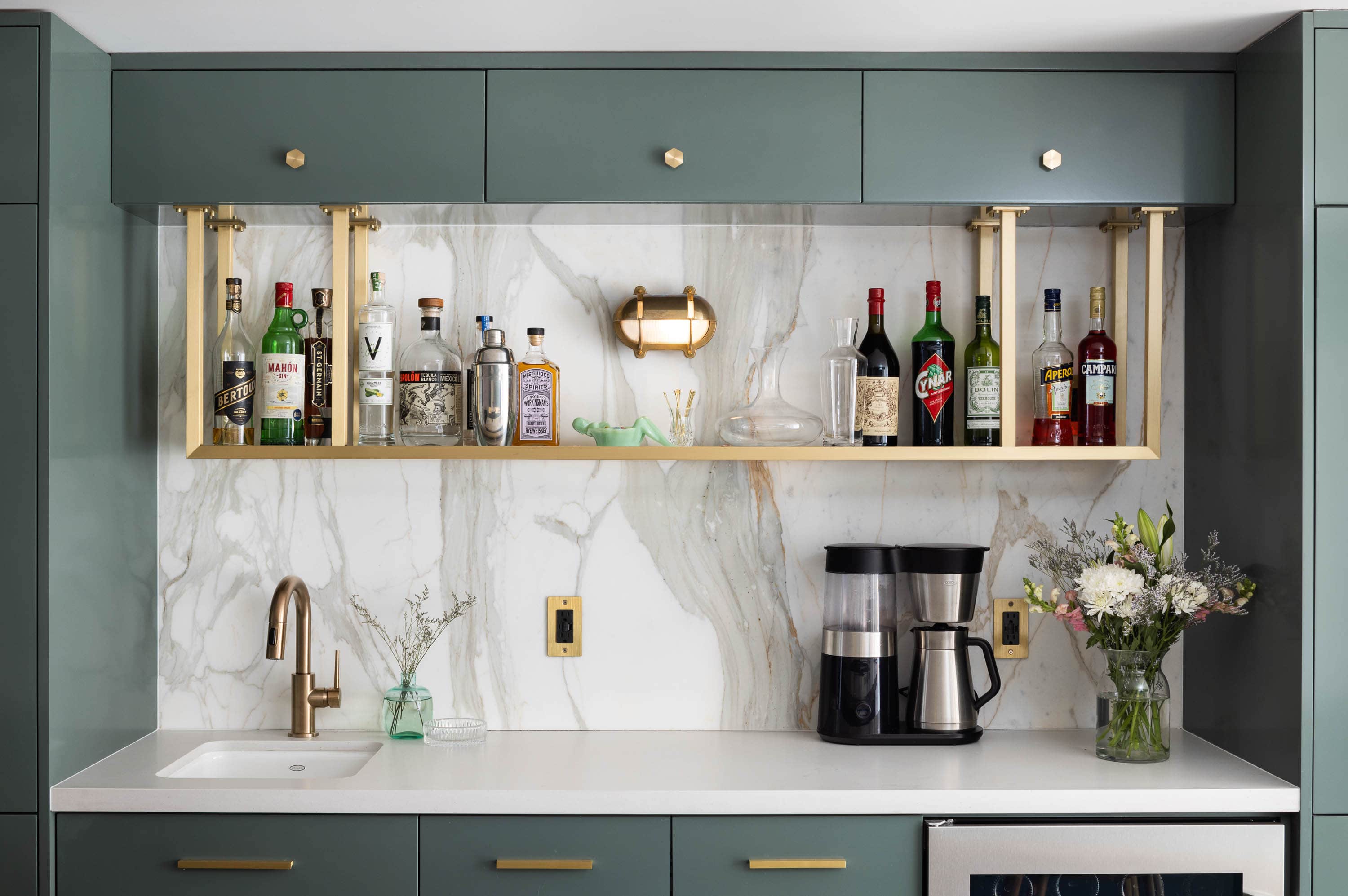
Bold design doesn’t always mean big budgets. Try a striking backsplash tile, mixed-metal hardware, or a contrasting wood species for shelving. These details inject personality without overwhelming the space. In our Manhattan apartment renovation at 91 Central Park West, our clients loved to cook, so we added commercial-grade stainless steel amidst oak countertops for a blended, practical chef-ready space. We also wove their century-old Dutch tiles into a custom pantry design, blending personal history with modern millwork for a one-of-a-kind focal point.
.jpg)
Technology With Subtlety
From downdraft ventilation systems to hidden outlets and touch-to-open cabinetry, integrating technology in discreet ways keeps the kitchen sleek while making everyday tasks easier. Dig into some state of the art options via our blog Nuances in Smart Home Technology And What to Understand Before Installing.
[#3]Why Work With A Design-Build Firm In NYC[#3]
Kitchen renovations in New York City are more than aesthetics. A truly successful kitchen renovation revolves around navigating building approvals, managing logistics, and ensuring design feasibility. A full-service design-build firm like Gallery KBNY brings architects, designers, and contractors together under one roof, streamlining the process from planning through construction. That all-inclusive approach not only consolidates the approach, but removes the burden of managing multiple parties from the client, allowing them to focus solely on design.
Whether you’re looking to expand a compact condo kitchen or reinvigorate a sprawling brownstone space, our all-in-one renovation solution helps your dream design come to life with fewer surprises, smarter solutions, and lasting quality.
Ready to start your kitchen renovation? Contact us today to speak with one of our design consultants and explore our portfolio of NYC kitchens.
We are an award-winning design-build firm in New York City with a full-service approach to residential renovations in Manhattan and Brooklyn that includes everything from interior design and architecture services to filing permits and construction. We’re experts in renovating pre-war homes, kitchens, bathrooms, flooring, sourcing custom pieces, building entirely new rooms, millwork, and all that falls in between.
.webp)
[#faq]Frequently Asked Questions On NYC Luxury Kitchen Renovations[#faq]
What Kitchen Layout Works Best For A Compact Pre-War Manhattan Apartment?
The galley configuration, two parallel runs of cabinetry facing each other across a central corridor, is the most space-efficient layout for pre-war apartments with a dedicated, enclosed kitchen room. It maximizes linear countertop and cabinet run within a narrow footprint, keeps the work triangle tight, and allows overhead cabinets on both walls. The constraint is width: a galley requires a minimum 42-inch clear corridor between facing countertops to meet code, and narrower kitchens benefit from opening to an adjacent room to avoid a claustrophobic feel. The L-shape is the more versatile choice in apartments where the kitchen has a corner rather than a corridor -- it offers comparable storage with more natural light access and a less enclosed workflow.
When Must Appliance Decisions Be Made Relative To The Renovation Schedule?
Appliance brand and configuration must be confirmed before framing is set, which means before construction begins, not during it. The refrigerator rough-in cavity is built to specific dimensions that cannot be changed without opening the wall after the fact. Panel-ready appliance configurations, where cabinet panels face the appliance doors for a seamless integrated look, require the cabinet maker to build panels to the appliance manufacturer's exact specifications, which means the appliance must be selected before cabinet shop drawings are issued. At the luxury tier, Sub-Zero and Wolf suites and panel-ready configurations carry 8 to 16 week lead times, so appliance selection should happen at the start of pre-construction, not mid-way through it.
What Are The Most Common Sources Of Unexpected Cost In An NYC Kitchen Renovation?
The four most common sources of unexpected cost in NYC kitchen renovations are: hidden conditions discovered during demolition (outdated electrical panels, original cast iron plumbing requiring replacement, asbestos in original flooring materials); late appliance or material decisions that require rework of rough trades already completed; procurement delays on long-lead items that idle finish trades at the general conditions daily rate; and layout changes made after DOB drawings are submitted, which require revised drawings and a return to the DOB review queue. All four are avoidable through pre-construction assessment and locked specifications before construction begins, which is the specific function that Gallery's pre-construction process serves.
How Does A Kitchen Relocation Affect The Co-Op Board Approval Process?
Moving a kitchen to a new location within an apartment is among the more complex scopes a co-op board reviews, because it affects the building's plumbing risers and potentially its structural system. Most co-op alteration agreements require board approval for any scope that relocates plumbing, and wet-over-dry restrictions govern whether the proposed new kitchen location sits above another wet space in the building. Gas line relocation, required when moving a range to a new island position or to a different room, requires DOB filing and building sign-off beyond the standard alteration agreement process. A kitchen relocation in a Manhattan co-op typically adds 6 to 16 weeks to the pre-construction timeline for board review, and should be confirmed as buildable with the building before the design is developed around the new location.
What Is The Practical Return On Investing In Storage Upgrades Versus Finish Upgrades?
Storage upgrades, pull-out base cabinet organizers, appliance garages, toe-kick drawers, and integrated island storage, generate daily-use returns that are disproportionate to their cost. Converting a standard base cabinet to full-extension pull-outs costs $300 to $600 and immediately makes the back third of the cabinet functional rather than dead. That ROI per dollar is difficult to match with finish upgrades at the same price point. Finish upgrades, imported stone, bespoke cabinetry, luxury fixtures, generate the market premium at resale and the design quality that earns recognition, but they do not improve the daily experience of using the kitchen if the workflow and storage are not resolved first. The most effective kitchen renovation budgets sequence these investments intentionally: resolve workflow and storage first, then allocate remaining budget to finish level based on what the market and the client's aesthetic objectives require.
How Are Island Dimensions Determined In An NYC Apartment, And What Are The Code Minimums?
NYC building code requires a minimum 42-inch clear walkway between the island and any adjacent counter, cabinet, or wall on all working sides. This clearance requirement is the single constraint that eliminates island configurations from many NYC kitchens where the floor area looks sufficient on a floor plan but cannot accommodate the required clearances. An island that reduces any walkway below 42 inches will not pass DOB inspection. Beyond code minimums, 48-inch clearance is the practical standard for kitchens where two people cook simultaneously, and islands with seating overhangs require additional depth on the seating side, typically 12 to 15 inches beyond the countertop edge, to allow comfortable seating without knees hitting the base cabinet. All of these dimensions must be resolved at the layout stage before the design is developed.
What Does It Cost To Add Under-Cabinet Lighting To An Nyc Kitchen Renovation, And When Must It Be Planned?
Under-cabinet task lighting installed as part of a full kitchen renovation costs $1,200 to $3,000 depending on run length and fixture specification. The rough-in, conduit and junction boxes mounted to the underside of upper cabinets or within the wall behind them, must be completed during the rough electrical phase, before walls and ceilings are closed. Adding under-cabinet lighting after construction is complete requires opening finished surfaces to run conduit, which adds significant labor cost and typically costs two to three times the planned installation price. Under-cabinet lighting should be specified in the electrical plan at the design phase, not added as an afterthought during the finish phase.
let’s
Design-Build
together