.avif)


.png)
.png)


What Makes Renovating A Brownstone Different From Any Other Type Of NYC Property
Before overhauling your brownstone, consider the following nuances of these historic homes.
January 16, 2026
|

What Makes Renovating A Brownstone Different From Any Other Type Of NYC Property
Brownstones offer some of the most sought after real estate in NYC. They also pose some unique challenges when renovating.
Table of contents
- Quick History of Brownstones
- Unique Challenges When Renovating NYC Brownstones
- Brownstone Renovation Process
- Brownstone Renovation Expenses
- Brownstone FAQs
- Why Gallery For Brownstone Renovations In NYC?
Often referred to as townhouses or row houses, Brownstones are quintessential NYC, delivering a time-tested cachet that stands out amidst contemporary building types.
Yet, priority prestige doesn’t come without complication, as brownstones often warrant some of our most involved renovations. If you are considering renovating a brownstone in NYC, the following guide breaks down everything from brownstone renovation costs and preliminary considerations to DOB permits and external material requirements.
[#Quick]Quick History of Brownstones[#Quick]
Ironically, today’s touted brownstones were once looked down upon. In the 1840s, when brownstone evolved from a stoop material to the fashionable facade of row houses, detractors cited the delicate nature of the soft stone as a visual detriment compared to the preferred white marble or limestone seen in more affluent areas. Over time, brownstones held up literally and figuratively, deterring detractors and evolving into gothic treasures that never fall out of favor.
[#Unique]Unique Challenges When Renovating NYC Brownstones[#Unique]
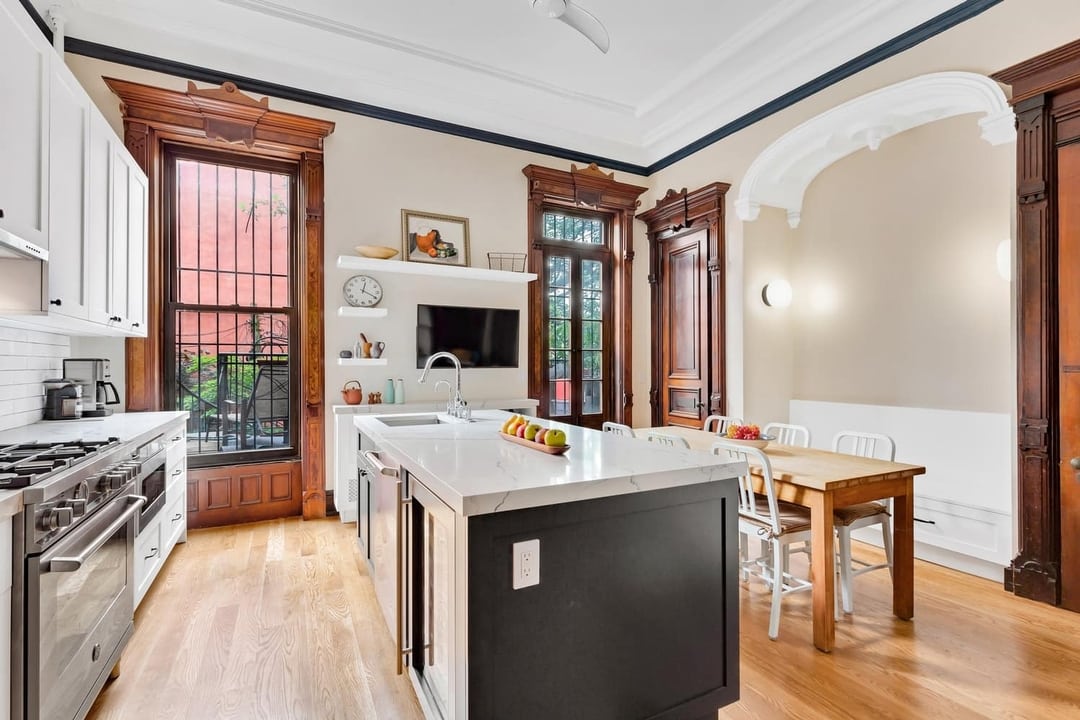
While renovating in NYC is challenging enough, brownstone renovations pose their own unique complications. From dated craftsmanship and potential exterior work to historic ramifications and added bureaucracy, the following brownstone-centric renovation obstacles require seasoned skill and experience:
Piecemeal Shortcuts From Previous Owners
Considering their age, finding deficient piecemeal work from previous owners is not an uncommon surprise when renovating brownstones in NYC. When they were originally built, overseeing bodies found in today’s DOB didn’t even exist, and prior occupants often hired handymen or did the work themselves. In worst-case scenarios, these shortcuts seriously compromise a building's structural integrity, and correcting them can require the help of a structural engineer.
Uneven Floors & Compromised Structural Work
Beyond inadequate shortcuts from old owners, the pre-war status of brownstones means the processes used during the original build likely would not meet today’s standards. For example, balloon framing was popular in the late 19th and early 20th centuries. In this method, framing and wall cavities run hollow from foundation to roof with no platforms to break up structural beams on each floor. Over time, this results in insulation and moisture control problems, un-level floors, and buckling beams - all of which pose significant challenges amidst almost any level of renovation.
Removing old balloon framing and installing platforms is extremely costly, but can be more affordable ways to remedy such issues. When renovating, insist your contractor insulate the walls and use a vapor and moisture barrier, which will combat energy loss and moisture issues, including mold. Additionally, watch for uneven floors where sistering beams might be necessary for more level structural support. Learn more on the topic via our blog, Leveling Floors During A NYC Renovation: Design & Cost Implications
Prior to renovating, have a contractor or home inspector check electrical panels, exposed plumbing, and the quality of finish in previously renovated rooms. This will help manage expectations prior to renovation, allowing owners to know whether they’re up against minor issues or major risks.
Asbestos, Outdated Electrical And Plumbing
Unless your brownstone’s electrical and plumbing systems have been recently redone, assume they’ll have to be updated amidst any significant renovation. Brownstones characteristically used galvanized plumbing that both deposits sediments into the water and causes buildup that restricts water flow. They also often include plumbing insulated with asbestos — which must be professionally removed if they are being disturbed. Plus, electrical systems in brownstones almost always need an upgrade upon renovation, as they weren't originally equipped to handle our current average electrical consumption.
Besides redoing electrical and plumbing, you might also need to schedule a controlled removal of asbestos from your brownstone’s walls. Testing for asbestos in the early planning stages is not only smart planning but often required in order to file architectural plans. At Gallery, we plan for any added effort required for removal or see if there are workaround cost saving measures that can leave the asbestos undisturbed. By law, if work disturbs the asbestos, mitigation is required and bringing in an asbestos remediation company for asbestos removal and air quality monitoring is likely needed. However if preliminary tests confirm asbestos won’t be disturbed during the work, we’ll avoid the area and issue altogether.
Brownstone-Specific Renovation Complications
Source: Gallery KBNY brownstone renovation framework, Manhattan and Brooklyn (2026). Complications reflect typical findings observed across full-service brownstone renovation engagements; severity tags indicate impact on project scope and budget.
Pre-Purchase Due Diligence For NYC Brownstones
Inspect for balloon framing (common in late 1800s and early 1900s construction), un-level floors, buckling beams, and visible signs of compromised or piecemeal work from prior owners. Engage a structural engineer for any signs of serious compromise.
Balloon framing remediation, beam sistering, and structural reinforcement are some of the most expensive scope items in brownstone renovations. Identifying them before offer shapes the budget conversation.
Inspect under bathroom and kitchen sinks for galvanized supply lines depositing sediment, reduced water pressure indicating buildup, and condition of exposed waste lines. Review the property\'s permit history; flag any plumbing permits older than 1990.
Galvanized plumbing in brownstones almost always requires full replacement during renovation. Waste line work is rarely cosmetic; it is structural plumbing scope with substantial cost implications.
Confirm panel amperage, identify wiring type (cloth or knob-and-tube in pre-war brownstones), and check outlet density per floor. Modern multi-floor brownstones often demand 200-amp service or higher.
Brownstones rarely have electrical systems equipped to handle current consumption demands. Multi-floor rewires plus service upgrades are substantial scope items in nearly every brownstone renovation.
Inspect cellar for water stains, floor lumps, mold, and other signs of water intrusion. Schedule sewer line camera inspection if water table is high (common in Brooklyn) or if cellar shows water history.
Sewer clogs from tree roots, backups, and cellar water intrusion are recurring brownstone issues that affect both renovation scope and long-term ownership cost. Best identified before purchase.
Pre-1980 brownstones almost always contain asbestos in pipe insulation. Pre-1978 buildings often contain lead paint on original trim, doors, and windows. Both require licensed testing before DOB permits issue.
Testing is required regardless. ACP-5 clearance is mandatory before DOB filing. Abatement scope depends on findings and ranges from contained scope to extensive replacement of risers and branch lines.
Confirm whether the brownstone is individually landmarked, located in a historic district, or located on a landmarked street. All three trigger Landmarks Preservation Commission review of exterior work.
LPC approval adds 3 to 6 months to design and permitting. Exterior materials must match period authenticity. Approved vendor lists may apply to windows, facade restoration, and ironwork.
Source: Gallery KBNY pre-purchase due diligence framework for NYC brownstones, Manhattan and Brooklyn (2026). Specific findings and scope depend on building age, neighborhood, prior renovation history, and landmark status.
Sewer Lines And Cellar Water
Since sewer clogs and backups are quite common in brownstones, inspecting sewer and waste lines before any renovation also helps ensure proper water flow. However, issues like tree roots and the fronts of some homes can still lead to clogging and overflowing lines within the building. Brownstones near high water tables, which are common in Brooklyn, are also prone to water issues in their cellars.
If your brownstone’s cellar is unfinished, signs of water issues might be obvious, such as water stains and lumps along the floor. An experienced contractor will look up the property’s permit history and advise whether or not to schedule testing before starting the renovation. For instance, if the last plumbing permit was filed in the 1980s, a pre-renovation inspection is warranted.
Exterior Renovation Potential
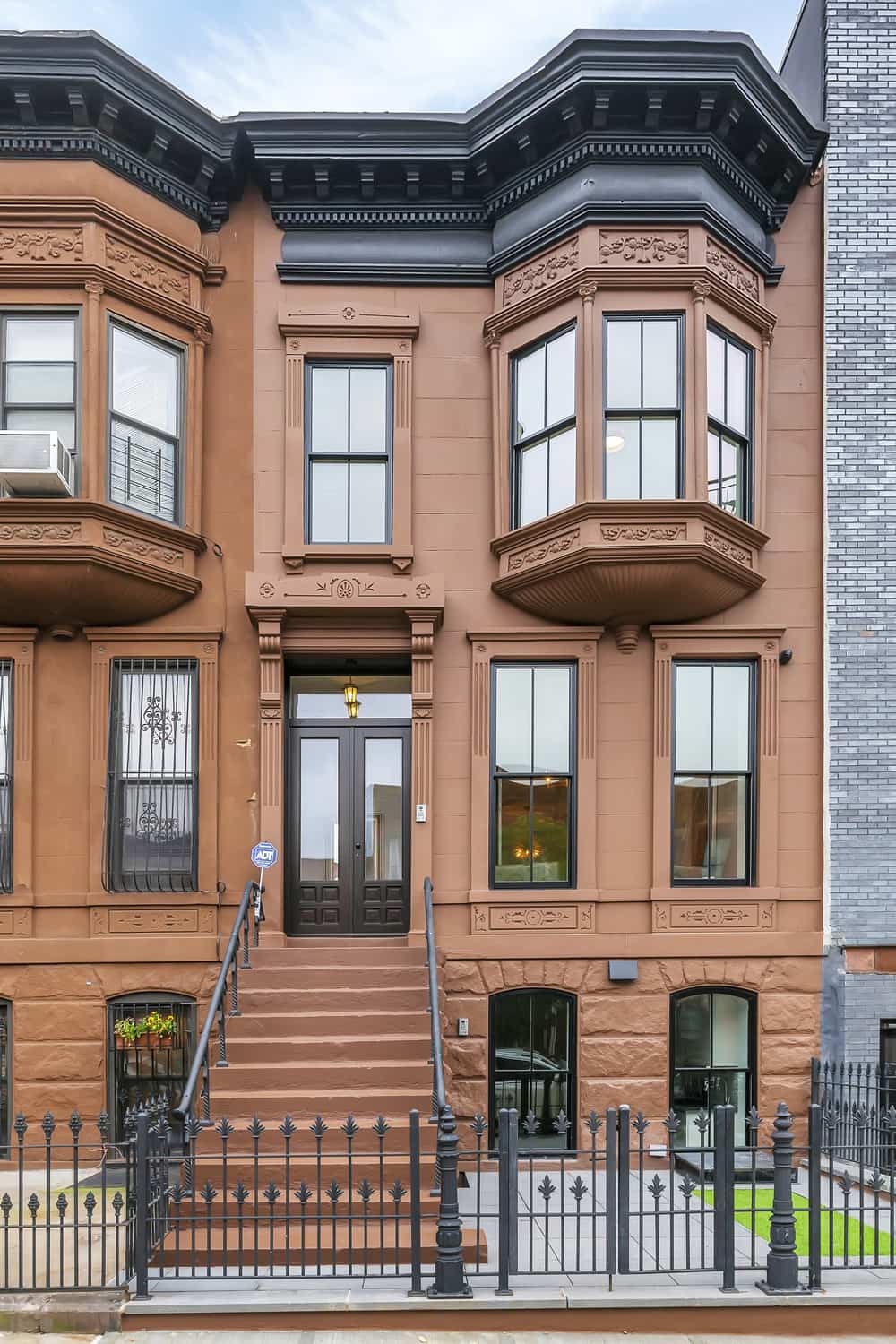
Another significant difference between brownstone renovations and other types of NYC residential renovation is the potential for exterior updates. Although timeless in theory, the exterior of these delicate, soft-stone homes often require updates alongside the interiors. From stone work on the facade and stoop improvements to balcony and gate updates, there are a variety of exterior areas apt for an upgrade.
For an example of restoration work on brownstone exteriors, see our renovation before and after for a brownstone in Bed-Stuy, Brooklyn which required a complete exterior renovation of the facade, cornices, windows, mouldings, and ironwork, including the railings leading up to the stoop and those facing the street.
Landmark Applications via Landmark Preservation Commission (LPC)
If the brownstone being renovated is designated a landmark or located on a landmark street, a landmark approval from the Landmark Preservation Commission will be needed before renovating. Additionally, if landmark status, the LPC must also approve all exterior street facing materials and design aesthetics prior to implementation, otherwise an LPC certificate of no effect is obtained. Dig deeper into the topic via Everything You Need to Know About Landmark Renovations In NYC.
[#Process]Brownstone Renovation Process[#Process]
While every renovation has unique variables to account for, a start to finish brownstone renovation comes down to the following stages:
- Architectural Drawing and DOB Filings
- Interior Design
- Along with any exterior facade, gating, stoop or balcony considerations
- Legalities & Logistics
- Plumbing Inspection
- Asbestos Test
- Electrical Test
- Building, Electrical, and Plumbing Permits from Department Of Buildings
- Landmark Preservation Commission (LPC) Filings
- Material Selection & Procurement
- Design Renders
- Demo & Build
For a full breakdown of each individual step in the brownstone renovation process, view our extensive blog on NYC Brownstone Renovations 101: What To Know & Where To Start.
[#Expenses]Brownstone Renovation Expenses[#Expenses]
Due to their dated nature and need for more delicate restoration, a full renovation of a brownstone will typically cost more per square foot than Due to their dated nature and need for more delicate restoration, a full renovation of a brownstone will typically cost more per square foot than any other residential renovation in NYC.
Baseline Per-Square-Foot Pricing
Anchoring to our canonical 2026 cost framework: NYC brownstones and townhouses start at $700+ per square foot under a full-service design-build engagement. Landmarked brownstones typically start at $800+ per square foot due to LPC approval requirements, period-accurate restoration, and approved vendor mandates for exterior work.
Realistic Total Project Costs
- 2,500 sqft Brownstone Gut: $1.75M to $2.5M+ at baseline. Multi-floor full gut at $700+ per square foot before extensive period restoration or facade work.
- 3,200 sqft Brownstone Gut: $2.24M to $3.2M+ for typical 3,200 square foot full gut including mechanical systems, structural work, and standard facade scope.
- Landmarked Brownstone Full Restoration: $3M to $6M+ for landmarked brownstones with full interior gut, period restoration, exterior facade restoration, and luxury finish tier throughout.
Brownstone-Specific Premiums On Top Of Baseline
Several scope items unique to brownstones layer on top of baseline per-square-foot pricing:
- Facade Restoration: $50,000 to $250,000+. Soft sandstone facade requires specialized restoration techniques. Cornice, mouldings, and stoop ironwork restoration add scope. LPC approval required for landmarked properties.
- Structural Remediation: $50,000 to $200,000+. Balloon framing remediation, beam sistering for un-level floors, and structural reinforcement where prior piecemeal work compromised integrity.
- Full Electrical Rewire: $50,000 to $150,000+. Multi-floor brownstones with cloth wiring or knob-and-tube require extensive rewire scope.
- Full Plumbing Replacement: $60,000 to $180,000+. Galvanized supply line replacement, corroded waste line work, and sewer line repairs if needed.
- ACP-5 Asbestos Testing And Abatement: $1,500 to $40,000+. Required pre-construction. Pre-1980 brownstones almost always contain asbestos in pipe insulation.
- Central Air And HVAC Addition: $50,000 to $100,000 lump sum adder. High-velocity mini-duct systems preserve ceiling height in pre-war brownstones.
- Period Restoration: Variable scope. Restoration of original ceiling medallions, cornices, fireplace mantels, and stained glass generally adds 10 to 20 percent to base renovation scope when extensive.
For more details on commonly added costs & expenses of a brownstone gut renovation in NYC, read How Much Does It Cost To Gut Renovate A Brownstone?
NYC Brownstone Renovation Cost Breakdown (2026)
| Cost Component | 2026 Cost Range | Notes |
|---|---|---|
| Baseline Per-Square-Foot Pricing | ||
| NYC Brownstone Or Townhouse Full Gut, Single-Family | $700+ per sqft | Brownstones and townhomes start at $700 per square foot under the canonical 2026 framework. Multi-floor coordination, structural complexity, and pre-war scope drive baseline above standard apartment work. |
| Landmarked Brownstone LPC Review Required | $800+ per sqft | LPC approval, period-accurate restoration, approved vendor requirements for exterior work, and extended approval timelines add scope and cost above non-landmarked work. |
| Brownstone-Specific Premiums (On Top Of Baseline) | ||
| Facade Restoration Sandstone, Cornices, Ironwork | $50,000 – $250,000+ | Soft sandstone facade requires specialized restoration techniques. Cornice, mouldings, and stoop ironwork restoration adds scope. LPC approval required for landmarked properties. |
| Structural Remediation Balloon Framing, Beam Sistering | $50,000 – $200,000+ | Balloon framing remediation, beam sistering for un-level floors, and structural reinforcement where prior piecemeal work compromised integrity. Variable based on extent of compromise. |
| Full Electrical Rewire Multi-Floor Brownstone | $50,000 – $150,000+ | Multi-floor brownstones with cloth wiring or knob-and-tube require extensive rewire scope. Larger square footage and longer cable runs push higher than apartment rewire pricing. |
| Full Plumbing Replacement Galvanized Lines, Waste Pipes | $60,000 – $180,000+ | Galvanized supply line replacement, corroded waste line work, and sewer line repairs if needed. Whole-system replacement typical in unrenovated brownstones. |
| ACP-5 Asbestos Testing & Abatement DOB-Required Pre-Construction | $1,500 – $40,000+ | Testing required before DOB permits issue. Pre-1980 brownstones almost always contain asbestos in pipe insulation. Abatement scope depends on findings. |
| Central Air / HVAC Addition Lump Sum Adder | $50,000 – $100,000 | Lump-sum adder on top of base per-square-foot pricing. High-velocity mini-duct systems preserve ceiling height in pre-war brownstones. |
| Period Restoration Plasterwork, Millwork, Stained Glass | Variable Project Scope | Restoration of original ceiling medallions, cornices, fireplace mantels, and stained glass. Generally adds 10 to 20 percent to base renovation scope when extensive. |
| Realistic Total Project Cost | ||
| 2,500 sqft Brownstone Gut Standard Baseline | $1.75M – $2.5M+ | Multi-floor full gut at $700+ per square foot baseline before extensive period restoration or facade work. |
| 3,200 sqft Brownstone Gut Mid-Range To Upper-Mid Tier | $2.24M – $3.2M+ | Typical 3,200 sqft brownstone full gut including mechanical systems, structural work, and standard facade scope. |
| Landmarked Brownstone Full Restoration LPC Compliance & Facade Restoration | $3M – $6M+ | Landmarked brownstones with full interior gut, period restoration, exterior facade restoration, and luxury finish tier throughout. |
Source: Gallery KBNY brownstone renovation framework, Manhattan and Brooklyn (2026). Pricing reflects full-service design-build engagements inclusive of architecture, design, permits, board approvals, procurement, and construction. Final scope and pricing vary by building condition, landmark status, restoration scope, and finish selections.
Gallery KBNY is a full-service design-build firm featured in The New York Times, specializing in the architecture, interior design, and renovation of apartments, co-ops, condominiums, townhomes, and lofts across Manhattan and Brooklyn. Our integrated team of architects, designers, contractors, and project managers manages every phase from board approvals and DOB permitting through design and construction. A founding partner is involved in every project, start to finish. Because architecture, design, permitting, and construction are coordinated under one roof, the process remains streamlined, accountable, and transparent from start to finish. Our work has also appeared in Forbes, Architectural Digest, and Inc., and is backed by 100+ five-star client reviews.
[#FAQs]Brownstone FAQs[#FAQs]
How Long Is A Typical NYC Brownstone Renovation Timeline?
Every brownstone renovation in NYC has unique needs and respective timelines are impacted by the scope, site conditions and building rules. On average, a full renovation of a three story brownstone takes 5-7 months although timelines can vary based on the specific factors, such as landmarked building status or adjustments to the floor-plan (which requires architectural plans and subsequent submission to the reviewing architect).
Is A Full Gut Renovation Of My Brownstone Worth The Investment?
When looking to invest in a brownstone, there are two routes to go:
Purchase A Pre-Renovated Brownstone
The first route would be to purchase a fully-renovated brownstone that is already fit to call home. The upfront costs will be significantly higher and there’s potential some of the details won’t be personalized as you’d like - requiring some renovation anyways (potentially more than anticipated).
Full Gut Renovation Of A Dated Brownstone
The second route is a buying a brownstone with good guts and fixer-upper appeal with intent for a full gut renovation, which means you’re paying a lower purchase price but spending to fully gut renovate the property in order to fully customize or restore every inch of the space to your liking. Traditionally this option leads to an overall lower cost compared to the first.
The latter option is surely more work but typically less costly in the long run depending on your level of luxe, but the ability to both personalize your brownstone and maximize resale value is best achieved via a true gut renovation.
Are There Any Tax Implications From NYC Brownstone Renovations?
Property taxes for your brownstone will stay relatively flat unless square footage is being expanded or occupancy type is being changed (e.g. from 1 family or SRO to 2/3 family residence).
Are There Any Other Unexpected Costs From Renovating Brownstones?
If you’ve read this far, potential issues like asbestos, electrical, and outdated ramifications from balloon framing shouldn’t be a surprise. However, don’t forget to consider potential carrying costs and temporary housing costs. If you’re taking on a significant renovation to your brownstone and utilizing one of the floors as your temporary living space isn’t an option then you'll need to find somewhere else to stay amidst the demo and build portion of the renovation, which often leads to added costs. This could also require temporary storage for your belongings.

[#Why]Why Gallery For Brownstone Renovations In NYC?[#Why]
We are experienced brownstone renovation contractors in New York with an end-to-end approach and expertise to drive all aspects of your brownstone renovation, from interior design and architectural planning to building board management and construction - all within one comprehensive price-point. Ready to renovate? Contact us for a consultation.
Manhattan Design-Build
Evaluate Your NYC Brownstone
Before You Buy
Buying an apartment you plan to renovate? A founding partner walks it with you during the contract period and maps the scope, cost, and timeline, so you know exactly what you're taking on before you sign.
As seen in
Pre-Purchase Assessment
Walk the apartment with us first and understand the full scope, cost, and timeline before you close.
or call us directly
let’s
Design-Build
together