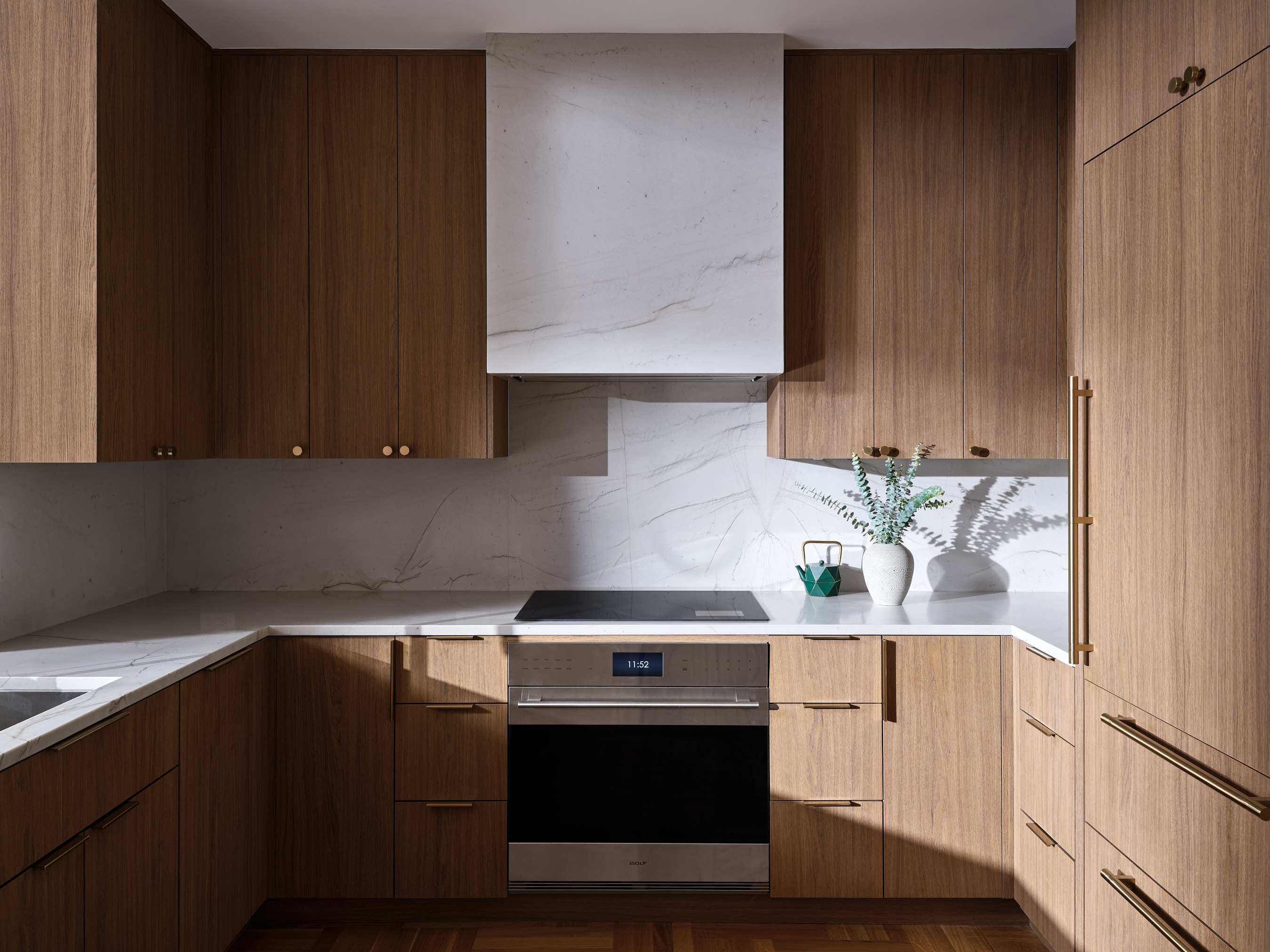
.avif)


.png)
.png)


Want Your Home Renovation to Succeed? You Need a Good Contractor
Being licensed and insured isn't enough to be considered a legit home renovation contractor in NYC. Here’s how to choose your contractor for NYC renovations wisely.
July 10, 2025
|
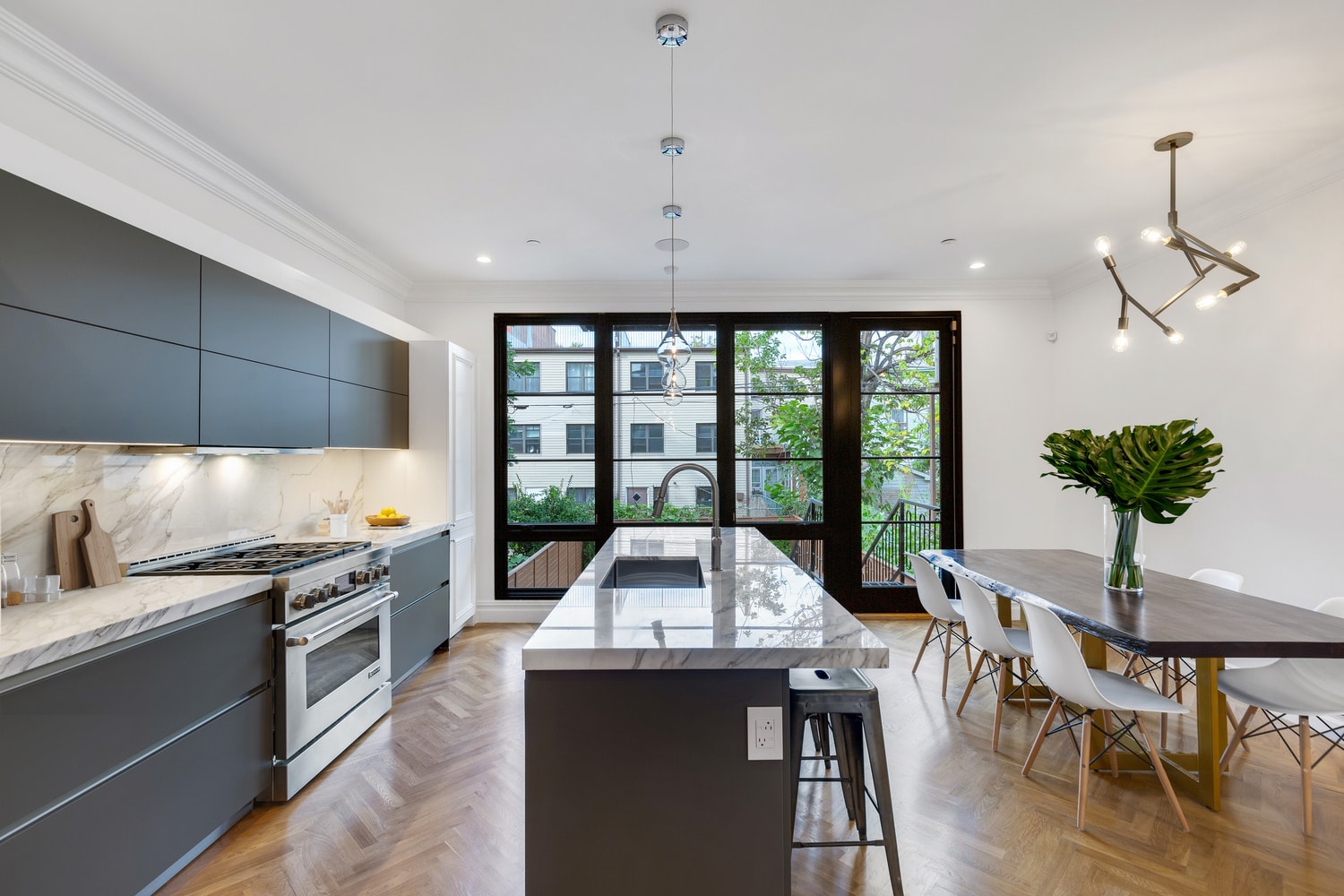
Want Your Home Renovation to Succeed? You Need a Good Contractor
"How to find a good renovation contractor for your home" is one of the more common questions customers ask when they first begin their home renovation journey. So how do you know if you've met the right contractor?
Table of contents
- Establish Dialogue With Your Home Renovation Contractor
- What Makes a Good Renovation Contractor?
- Choosing A Home Renovation Contractor In New York City
- FAQs About Hiring A Contractor For Home Renovations In NYC
A well-run renovation in NYC rewards the investment, both in the finished home and in the experience of getting there. The work is substantial, and it places your home in the hands of a contractor, designers, and trades, so the team you choose carries real weight. The data bears this out: in a KPMG survey, 69 percent of owners with recent renovations pointed to poor contractor performance as the leading reason a project fell short.
A capable, honest team keeps a long-anticipated renovation steady from start to finish. When weighing a contractor, look past the formal credentials to the people skills that carry a months-long project. Renovation is a relationship business, and the right people are among the strongest predictors of a smooth result.
[#Establish]Establish Dialogue With Your Home Renovation Contractor[#Establish]
A renovation runs from weeks into months, and if you stay in the home through it, you are effectively sharing the space with your contractor. Strong rapport from the first meeting makes that stretch far easier, and a KPMG data point reinforces the value, with 82 percent of clients wanting to collaborate more closely with their contractors. Clear communication at the outset tends to set the tone for the entire project. Capability with setbacks matters just as much. A project may call for correcting prior handyman work, reinforcing old framing, removing asbestos, or reworking electrical and plumbing, and a strong contractor explains these conditions, researches the property's history, and sets expectations before they become surprises.

[#What]What Makes a Good Renovation Contractor?[#What]
Spotting the right contractor before you hand over your home comes down to a handful of qualities that show up early.
| Quality | The Signal Of A Strong Partner | Worth A Second Look |
|---|---|---|
| Listens First | Asks about your goals and concerns, and speaks mainly to inform. | Spends the meeting on past accolades and glosses over your questions. |
| Acts As A Consultant | Gathers detail before quoting and is candid about challenges and options. | Dismisses your ideas early or quotes before understanding the project. |
| Respects The Schedule | Keeps to the timeline and flags any delay in advance with a clear reason. | Carries a pattern of late projects, each with a fresh excuse. |
| Prices In Full | Accounts for every cost and communicates the budget before any signature. | Leaves gaps in the estimate that surface later as change orders. |
| Properly Credentialed | Carries the required licenses, certifications, and insurance well above minimums. | Treats licensing and insurance as the finish line rather than the baseline. |
Listens Before Selling
The best contractors lead with listening. They draw out your needs and concerns and speak mainly to inform. A contractor who fills the first meeting with past accomplishments and glosses over your questions is signaling where their attention will sit during the project, which is one of the signs of a contractor to avoid. Look for someone focused on your project rather than their portfolio.
Works Like A Consultant
Strong general contractors approach early conversations like consultants, centered on your goals and the path to reach them. An accurate estimate depends on understanding you and the project in depth, so expect fact-finding before numbers. A contractor who waves off your ideas at the start is one to watch, while a good one pushes back only when needed and offers more practical or affordable alternatives.
Respects The Schedule
Every project meets the unexpected, and each surprise stretches the schedule and the budget. One or two delays with advance notice and a sound reason are reasonable. A consistent pattern of tardiness tends to signal how the whole project will run. Reliable timing is part of what a strong contractor delivers, alongside quality work and steady attention to your goals.
Offers A Full-Scope Approach
Not every contractor offers a full-scope approach, and some handle construction alone. Two models define the field: design-build and the more traditional design-bid-build. A design-build firm delivers a full-service package under one point of contact across the whole process, while a design-bid-build contractor takes a more piecemeal path that has the homeowner assembling architects, designers, and inspectors. On architectural services, an architect who draws the plans typically bids them out and charges around 20 percent of the project to manage that work, whereas a design-build firm folds architectural services into a single bottom line. Our breakdown of design-build versus architectural firms covers the trade-offs in detail.
| Consideration | Design-Build | Design-Bid-Build |
|---|---|---|
| Point Of Contact | One team under a single contract | Separate architect, contractors, and consultants |
| Design & Construction | Coordinated under one roof from the start | Designed first, then bid out to builders |
| Architectural Fees | Included in one full-scope bottom line | Architect commonly charges about 20 percent to manage the bid |
| Budget Visibility | Aligned as the design develops | Construction cost stays open until bids return |
| Coordination | Carried by the firm | Managed by the homeowner across parties |
| Best Suited To | Owners who want one accountable partner end to end | Owners who prefer to assemble and direct their own team |
Sets Full Cost Expectations
A trustworthy contractor accounts for every cost and communicates the full budget before any signature. The right partner also points out worthwhile opportunities to get more from your space, so the investment works as hard as it can.
Carries The Right Credentials
Every reputable NYC contractor is properly licensed, insured, and certified. Gallery is licensed with the New York City Department of Consumer and Worker Protection and the Department of Buildings, and carries lead-safe and OSHA certifications along with the rest the work requires. Our insurance sits well above the required limits, at $5 million in general liability, $1 million in workers' compensation, and $3 million in auto.
.webp)
[#Choosing]Choosing A Home Renovation Contractor In New York City[#Choosing]
Thinking about renovating your NYC apartment, loft, brownstone, or condo? As a full-service design-build firm in New York City, Gallery handles home renovations from start to finish, driving all aspects of a client's project from interior design and architectural planning to building board management and demolition plus construction. Ready to get started? Contact us to set-up your initial consultation and see why our New York City apartment renovation and remodeling services make most sense when choosing a home renovation contractor in Manhattan or Brooklyn.
Gallery KBNY is a full-service design-build firm featured in The New York Times, specializing in the architecture, interior design, and renovation of apartments, co-ops, condominiums, townhomes, and lofts across Manhattan and Brooklyn. Our integrated team of architects, designers, contractors, and project managers manages every phase from board approvals and DOB permitting through design and construction. A founding partner is involved in every project, start to finish. Because architecture, design, permitting, and construction are coordinated under one roof, the process remains streamlined, accountable, and transparent from start to finish. Our work has also appeared in Forbes, Architectural Digest, and Inc., and is backed by 100+ five-star client reviews.
[#faq]Frequently Asked Questions About Hiring A Contractor For Home Renovations In NYC[#faq]
How do I verify a contractor's license and insurance before submitting a board package?
Confirm the Home Improvement Contractor license through the NYC Department of Consumer and Worker Protection, and check Department of Buildings standing for permitted work. For insurance, request certificates that name the building, the managing agent, and often the co-op or condo as additional insured, since most alteration agreements require this. Verifying the certificates against the building's specific limits before submission keeps the package from being returned.
What insurance limits do Manhattan buildings typically require?
Many buildings set limits well above the city's baseline, commonly several million in general liability, along with workers' compensation, disability coverage, and in some cases an umbrella policy. Higher-end co-ops and condos often require the largest limits and ask the contractor to name multiple parties as additional insured. Confirming early that a contractor can meet the building's specific thresholds avoids a delay at the approval stage.
What should I ask at a first consultation for a high-end Manhattan renovation?
Useful ground includes recent projects of similar scope and finish level, experience in your building or with comparable pre-war and co-op work, how the firm handles board approvals and DOB filings, the pre-construction investigation that informs the budget, and who serves as your day-to-day point of contact. The answers reveal both capability and how the working relationship will feel.
For a gut renovation, how does design-build pricing compare with an architect plus a separate contractor?
Under design-build, architectural services sit within a single bottom line, and one team holds responsibility for both design and construction. In the traditional route, an architect designs and then manages the bid for a fee that often runs near 20 percent of the project, with construction priced separately once bids return. The design-build structure tends to give earlier budget certainty, since the team pricing the work is the team building it.
How should I check references and past projects before signing?
Ask to speak with owners of recently completed projects, ideally in buildings or apartment types similar to yours, and request to see finished work in person where possible. Worthwhile questions include whether the project finished on budget and schedule, how change orders were handled, and how the firm managed the building's requirements. Verified reviews and recognized industry credentials add further confidence.
What red flags matter most when vetting a contractor for a luxury co-op or condo?
Watch for an estimate noticeably below others without a clear explanation of scope, reluctance to provide insurance certificates or references, limited experience with board approvals and landmarked or pre-war buildings, and pressure to sign quickly. A contractor who treats licensing and insurance as the whole story, rather than the starting point, also warrants a closer look.
Manhattan Design-Build
Evaluate Your Manhattan Apartment
Before You Buy
Buying an apartment you plan to renovate? A founding partner walks it with you during the contract period and maps the scope, cost, and timeline, so you know exactly what you're taking on before you sign.
As seen in
Pre-Purchase Assessment
Walk the apartment with us first and understand the full scope, cost, and timeline before you close.
or call us directly
let’s
Design-Build
together