.avif)


.png)
.png)


Renovating Pre-War And Post-War NYC Apartments: A Comparison
Looking to buy a fixer-upper in hopes of renovating? Set proper expectations with this comparison of the differences between renovating pre-war and post-war apartments in New York City.
January 27, 2025
|

Renovating Pre-War And Post-War NYC Apartments: A Comparison
Renovating a post-war apartment in NYC is quite different from renovating a pre-war apartment in NYC.
TABLE OF CONTENTS
- Architectural Distinctions Between Pre-War and Post-War Apartments
- Renovation Considerations in Pre-War Apartments
- Modernizing Post-War Apartments
- Blending Old Charm with New Functionality
- Practical Tips For Successful Renovations
- Frequently Asked Questions
In New York City, no apartment renovation is exactly alike. No matter how similar the layouts and square footage may be, a separate distinction will inherently sprout up, resulting in different approaches and strategies to account for the disparity. However, the widest margin of differentiation in renovations is typically a result of one variable - whether the apartment is Pre-War or Post-War.
Meant for potential buyers and long-time homeowners alike, this article navigates the distinctive characteristics of these two architectural epochs, offering insights into the challenges and innovative solutions that define our renovation approach to each style. From the classic charm of pre-war residences to the functional aesthetics of post-war homes, our comparison goes beyond aesthetics, encapsulating the essence of historical legacy and contemporary luxury.
[#Between]Architectural Distinctions Between Pre-War and Post-War Apartments[#Between]
Before we get into their unique renovation requirements, let's review the distinct characteristics of both pre-war and post-war apartments in New York City.
Pre-War Characteristics: Timeless Elegance
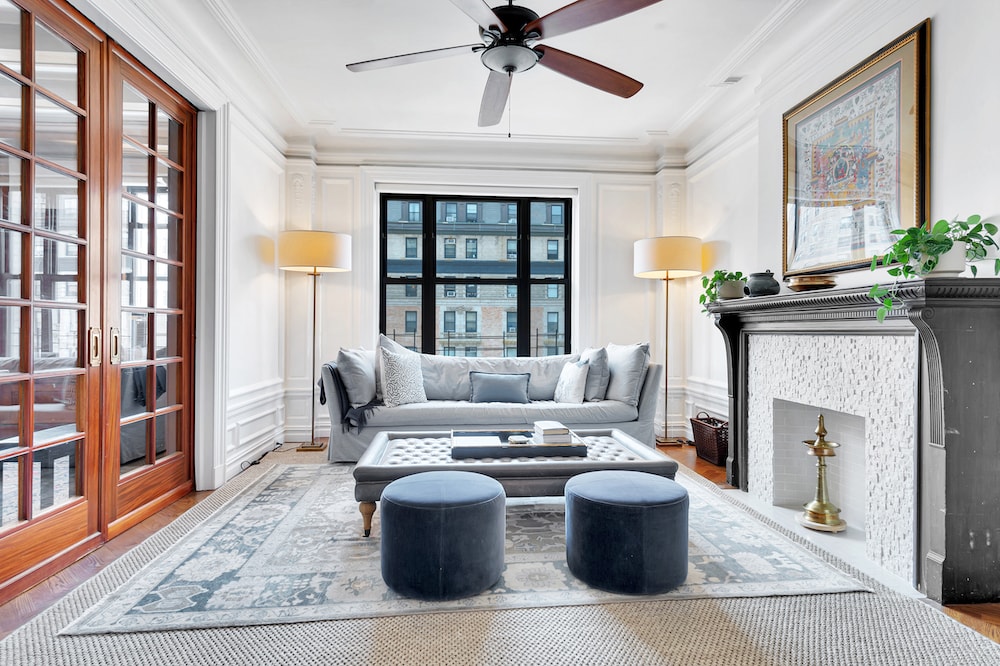
Pre-war apartments stand as monuments to an era defined by meticulous craftsmanship. High ceilings create an airy expanse, while ornate plaster details and crown moldings showcase the artistry of lost architectural articulation. Large windows, adorned with intricate metalwork, flood the interiors with natural light. Typical layouts mirror traditional houses, often featuring separate dining rooms that add a touch of grandeur to the living space. Historical stone facades and imposing iron doors contribute to the enduring allure of pre-war buildings, encapsulating a timeless elegance that transcends generations.
Post-War Characteristics: An Evolution of Modern Style
Post-war apartments offer an array of styles, reflecting the dynamic shifts in architectural preferences over the years. From the clean lines of white brick exteriors and classic parquet flooring of the 1950s and 1960s to the integration of modern amenities in buildings from the 1970s through the 1990s, each period offers a unique shadow of the past. The evolution in design mirrors the changing landscape of New York City living, offering residents not only a place to call home but also a reflection of contemporary tastes. Post-war apartments, with their varied styles, serve as a testament to the adaptability and innovation that define the essence of modern living in the heart of NYC.
[#Considerations]Renovation Considerations in Pre-War Apartments[#Considerations]
As custodians of historic interiors throughout New York City, Gallery's design-build approach fully takes on the transformation of pre-war apartments with both reverence and expertise. Renovating these architectural treasures involves a meticulous process that balances challenges and rewards, resulting in spaces that seamlessly blend the elegance of the past with the demands of contemporary living.
Navigating the Complexities: Plumbing, Electrical, and Plaster
When renovating a pre-war apartment, expect surprises behind the scenes. Thanks to their storied past, these often century-old spaces can unveil a myriad of complexities come time to renovate, ranging from outdated plumbing and electrical systems to the prevalence of plaster walls. The commitment to preserving historical authenticity necessitates addressing these structural elements, introducing additional costs and time into the equation. Working with an experienced and forthcoming design-build firm that is adept at navigating such challenging renovations with precision will ensure seamless symmetry between modern amenities and the timeless charm that makes pre-war spaces special.
Preserving Historical Integrity Amidst Outdated Applications: A Delicate Balance
Preserving the historical integrity of pre-war apartments may also unveil hazardous materials like asbestos and lead paint. Our end-to-end approach involves meticulous precautions and remediation processes to safeguard both the integrity of the structure and the well-being of its occupants. This commitment to detail ensures that every step of the renovation process respects the legacy embedded in the walls of these venerable residences.
[#Modernizing]Modernizing Post-War Apartments[#Modernizing]
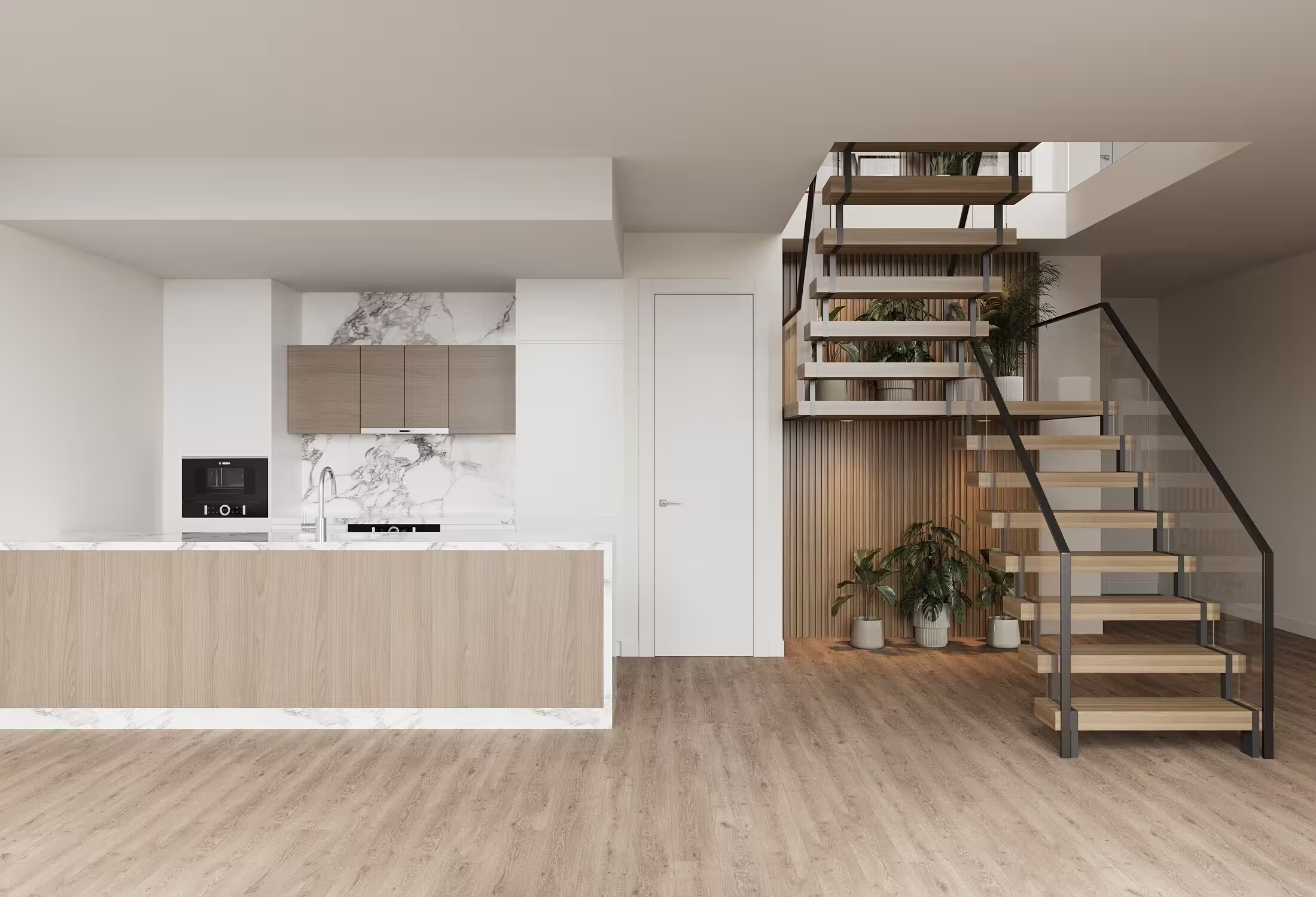
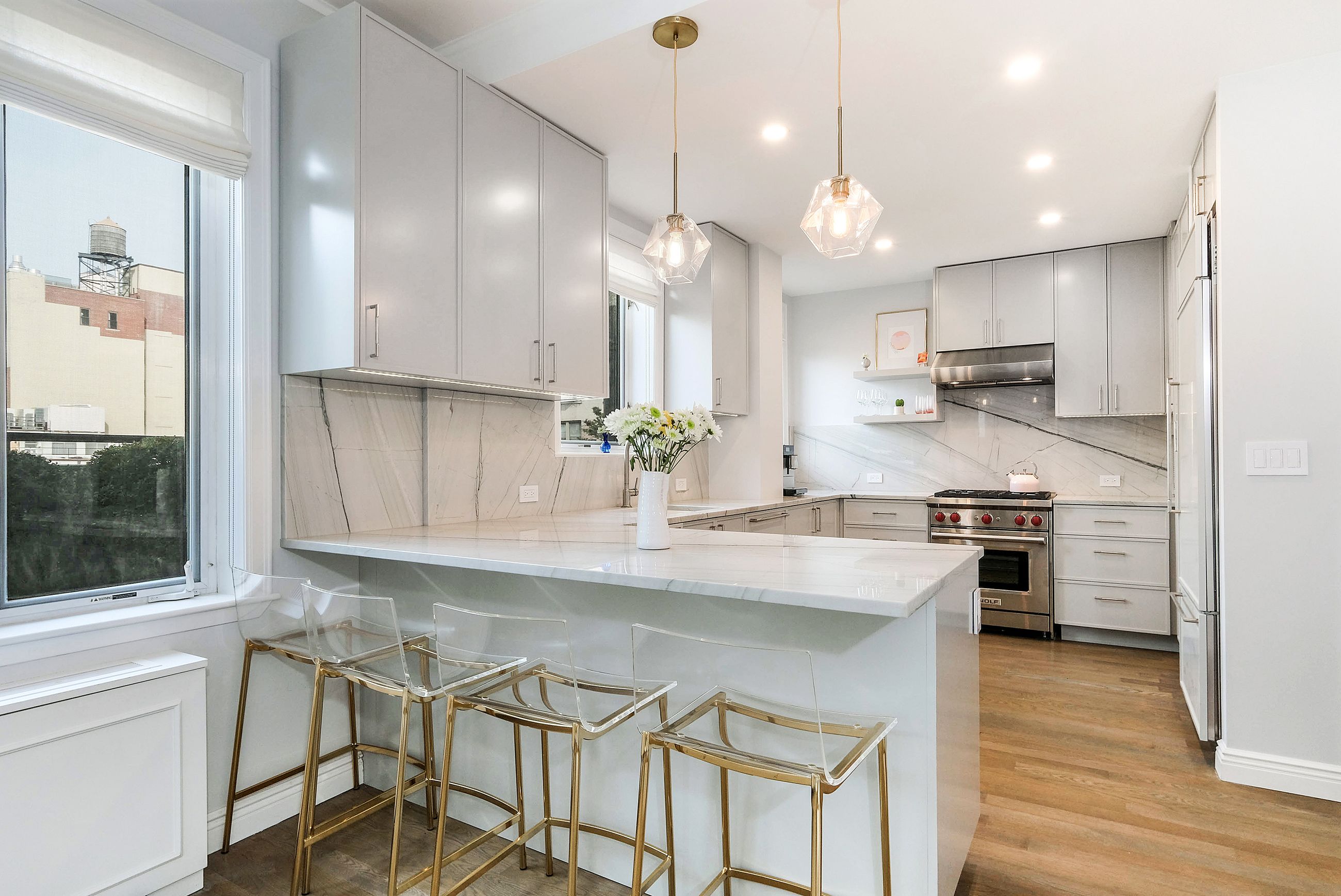
In the ever-evolving landscape of New York City, post-war apartments stand as testaments to a different era, offering a unique palette for modernization that combines versatility with a nod to history. Renovating these spaces is often a smoother journey, marked by adaptability and an inherent contemporary edge that aligns effortlessly with the demands of 21st-century living.
Simplified Renovations: Less Complexity, More Efficiency
Unlike their pre-war counterparts, post-war apartments typically boast up-to-date construction and more adaptable layouts, meaning renovations are generally less complicated and more cost-effective. The streamlined nature of these projects allows for greater efficiency, translating to a quicker transformation. The modern infrastructure serves as a solid foundation, providing the freedom to focus on elevating the design elements and enhancing the overall aesthetic without the intricate challenges posed by aging systems.
Flexibility for Contemporary Design: Blending Modern Design with Historic charm
Post-war apartments offer a unique canvas for modernization, providing designers with the flexibility to integrate contemporary design elements while respecting the original architectural style. The adaptability of these spaces allows for the seamless incorporation of modern amenities, cutting-edge technology, and sleek finishes. From open-concept layouts to innovative storage solutions, every modern touch enhances the functionality of the space while paying homage to the mid-century roots. The juxtaposition of old and new becomes a harmonious dialogue, creating a living experience that is both timeless and thoroughly modern.
[#Old]Blending Old Charm With New Functionality[#Old]
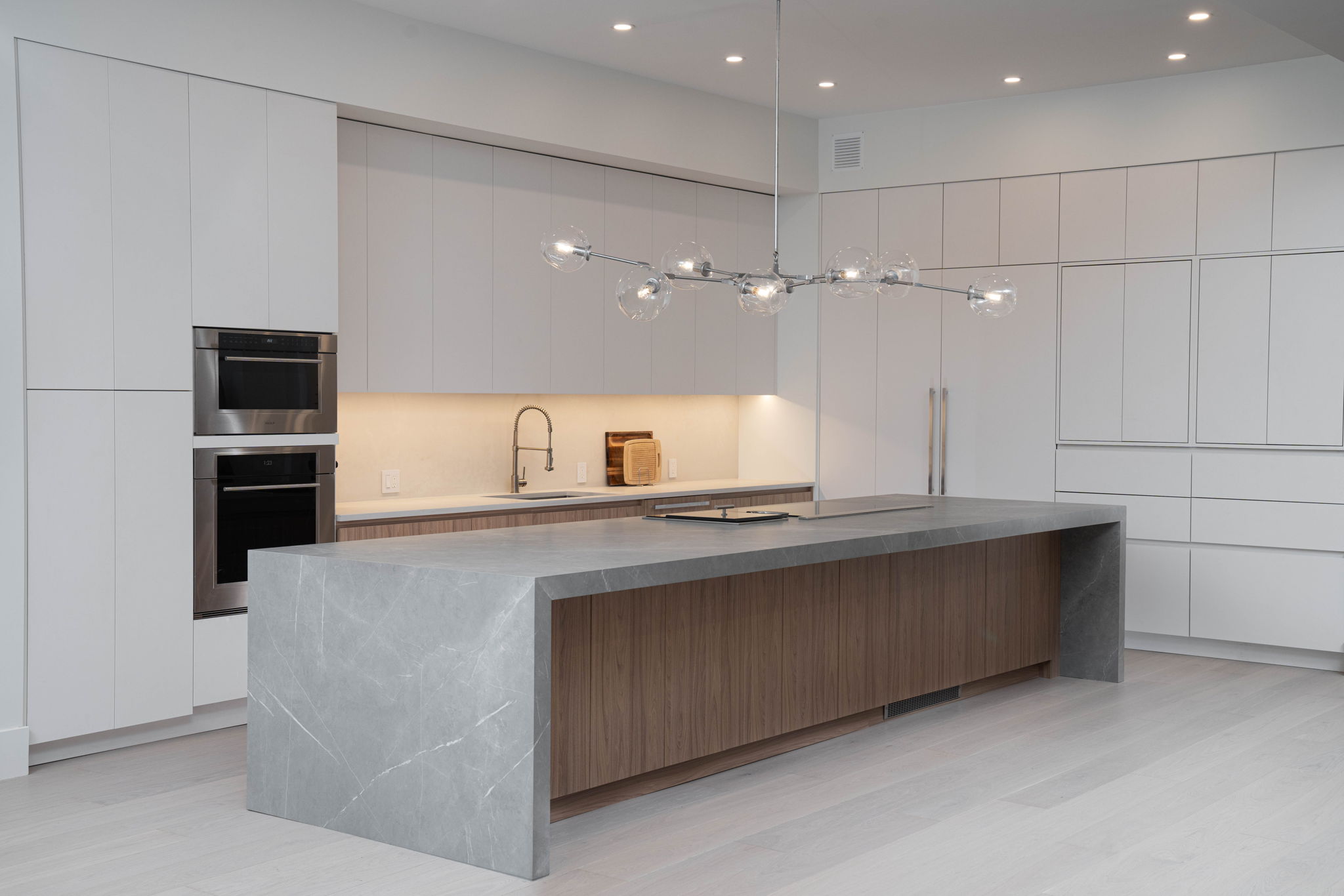
Whether navigating the timeless elegance of pre-war apartments or infusing character into the more standardized features of post-war spaces, our design-build firm takes pride in crafting bespoke solutions that resonate with the discerning tastes of our affluent Manhattan clientele.
Preserving Elegance in Pre-War Splendor Via Seamless Modernization Strategies
For pre-war apartments, where historical charm permeates every corner, the challenge lies in harmonizing modern conveniences with ornate details. Our approach involves strategic modernization of kitchens and bathrooms while preserving the intricate features that define the era. In our kitchen renovations, we seamlessly integrate state-of-the-art appliances into cabinetry that pays homage to classic design elements. Bathrooms become havens of relaxation with contemporary fixtures set against a backdrop of timeless tiles and moldings. The key is to enhance functionality while ensuring that every upgrade feels like a natural progression in the story of the residence.
Infusing Personality Into Post-War Spaces With Distinctive Character
Post-war apartments, often characterized by more standardized layouts, become blank canvases for infusing unique character. We guide our clients in transforming these spaces into personalized havens by introducing textures, colors, and bespoke elements. Whether it's the strategic use of vibrant accent walls, custom-designed furniture, or textured finishes, our design philosophy revolves around creating a narrative that transcends the uniformity of the original design. The result is a pristine post-war apartment that speaks to the individuality of its inhabitants, combining the comfort of modern living with the warmth of curated, bespoke details.
Manhattan Renovation Guide
Pre-War vs. Post-War
NYC Apartment Renovations
A complete side-by-side comparison for Manhattan homeowners
| 📐Ceiling Height | 9–11 ft ceilings, often with ornate plaster crown molding and decorative details worth preserving. | Typically 8 ft ceilings with minimal ornamentation. Easier to finish but less architectural character. |
| 🏗Construction Type | Plaster walls over wood lathe, solid masonry, and original hardwood floors. Durable but labor-intensive to modify. | Drywall construction, concrete slabs, and standardized materials. Easier to cut, patch, and reconfigure. |
| 🔌Electrical & Plumbing | Often Needs Full Upgrade Knob-and-tube or early 2-wire systems. Cast iron or galvanized pipes likely beyond service life. |
Partial Updates Common Copper plumbing and basic panel wiring. May need capacity upgrades but rarely requires full replacement. |
| 🪟Windows | Double-hung wood windows with original hardware. Beautiful, but typically drafty and requiring full replacement for energy efficiency. | Aluminum-frame single or double pane windows. Easier and less expensive to replace with modern energy-efficient units. |
| 🛏Layout & Floor Plan | Formal, compartmentalized rooms — separate parlors, dining rooms, and pantries. Opening walls creates dramatic transformation opportunities. | More functional, open layouts from the start. Less architectural drama but better adapted to modern living patterns. |
| 🔇Soundproofing | Thick masonry and plaster walls provide excellent natural sound insulation between units and rooms. | Thinner drywall construction means less inherent soundproofing. May require added insulation during renovation. |
| 🏛Building Requirements | More Complex Landmark and co-op board rules often apply. Stricter permit requirements for any structural changes. |
Standard Process Standard NYC DOB permits. Fewer restrictions on alterations unless located in a historic district. |
| 💰Renovation Cost | Higher Investment Skilled trades required for plaster repair, custom millwork, and historic detail restoration. Budget 15–25% more than post-war. |
More Predictable Standardized materials and methods. Straightforward scopes with fewer surprises during demolition. |
| 📅Typical Timeline | 4 – 9 Months Longer due to custom work, approvals, and unforeseen conditions behind plaster walls. |
3 – 6 Months More predictable scopes and fewer surprises lead to tighter, more reliable timelines. |
| ✨Renovation Outcome | Exceptional character and prestige. Restored pre-war apartments command significant premiums on resale and rental markets. | Clean, modern finish with excellent functionality. Strong ROI when updated with contemporary finishes and open layouts. |
Estimates reflect typical Manhattan renovation projects. Actual scope, cost, and timeline vary by building condition and design complexity.
Gallery KBNY
[#Tips]Practical Tips For Successful Renovations[#Tips]
Meticulous Planning and Realistic Budgeting To Navigate Unforeseen Challenges
Renovations, whether in pre-war or post-war apartments, demand careful planning and an eye for detail. Unforeseen challenges may arise, from outdated infrastructure to unexpected structural nuances. It's crucial to approach the renovation with a realistic budget that accommodates these surprises. Our firm advocates for a comprehensive assessment before commencing any renovation, ensuring that the budget is tailored to absorb unforeseen complexities, thereby minimizing stress and financial strain throughout the process.
The Gallery Advantage With Design-Build Expertise
Choosing a full-service design-build firm offers a streamlined and cohesive approach to residential renovations in NYC. Gallery specializes in both pre-war and post-war transformations, seamlessly integrating the design and construction processes. This unified approach ensures the vision for the space is maintained throughout, resulting in a congruent blend of classic elegance and modern functionality.
.jpeg)
Conclusion
Whether it's the charm of pre-war homes or the preference of post-war polish, Gallery is your reliable guide to seamlessly blend timeless elegance with contemporary functionality for enhanced New York City living. We stand as a trusted partner, crafting timeless renovations that reflect the evolving needs and tastes of our clients.
Considering an apartment renovation in New York City? View our portfolio of NYC apartment renovation before and afters, learn more about Gallery, or contact us today.
We are a New York Times-featured design-build firm in New York City with a full-service approach to renovations in Manhattan and Brooklyn that includes everything from interior design and architecture services to filing permits and construction management. We're experts in pre-war apartment renovations, apartment combinations, room creations, full gut renovations and all that falls in between. Let us bring your dream home to life.
Gallery KBNY is a full-service design-build firm featured in The New York Times, specializing in the architecture, interior design, and renovation of apartments, co-ops, condominiums, townhomes, and lofts across Manhattan and Brooklyn. Our integrated team of architects, designers, contractors, and project managers manages every phase from board approvals and DOB permitting through design and construction. A founding partner is involved in every project, start to finish. Because architecture, design, permitting, and construction are coordinated under one roof, the process remains streamlined, accountable, and transparent from start to finish. Our work has also appeared in Forbes, Architectural Digest, and Inc., and is backed by 100+ five-star client reviews.
[#FAQ]Frequently Asked Questions[#FAQ]
What is the main difference between renovating a pre-war and post-war NYC apartment?
Pre-war apartments typically involve more complex and costly renovations due to older infrastructure, plaster walls, outdated plumbing and electrical systems, and the potential presence of hazardous materials like asbestos and lead paint. Post-war apartments generally have more adaptable layouts and more current construction, making renovations less complicated and more cost-efficient. The core distinction is not aesthetic but structural.
Why do pre-war apartment renovations cost more than post-war renovations?
The higher cost in pre-war renovations is driven by infrastructure replacement rather than design. Electrical rewiring, plumbing replacement, asbestos and lead abatement, plaster wall demolition, and HVAC installation are often required in pre-war apartments and represent significant budget line items before any finish selections are made. Post-war apartments typically have newer systems already in place, reducing the scope of that foundational work.
Can you add central air conditioning to a pre-war NYC apartment?
Yes, but it is one of the more technically demanding components of a pre-war renovation. Pre-war buildings were not designed with central air in mind, so routing ductwork or refrigerant lines requires careful planning around the building's structural and mechanical constraints. An experienced design-build firm will evaluate mechanical routing, soffit requirements, and building rules before recommending a system strategy.
How long does it take to renovate a pre-war apartment compared to a post-war apartment?
Pre-war renovations generally take longer due to the complexity of infrastructure work, co-op board approval timelines, DOB permitting, and the additional time required for asbestos testing and abatement if hazardous materials are found. A full gut renovation of a pre-war apartment in Manhattan typically takes 10 to 14 months from planning through construction completion. Post-war renovations at comparable scope often run somewhat shorter, though board and permit timelines are largely the same in co-op buildings.
What are the biggest renovation challenges specific to pre-war apartments?
The most common challenges include aging plumbing and electrical systems that need full replacement, plaster-and-lath walls that require different demolition and rebuilding methods than standard drywall, the absence of central HVAC infrastructure, the potential presence of asbestos and lead paint requiring professional abatement, and strict co-op building rules governing construction hours, approved trades, and insurance requirements.
Is it worth renovating a post-war apartment or should you look for a pre-war instead?
The right choice depends on the buyer's priorities. Pre-war apartments offer architectural character that post-war buildings rarely replicate, but that character comes with higher renovation complexity and cost. Post-war apartments are generally easier and less expensive to update, and their more flexible layouts lend themselves well to open-concept and contemporary design. Gallery works extensively with both building types and can help buyers evaluate the realistic all-in cost before committing to a purchase.
Do post-war apartments require asbestos testing before renovation?
Post-war apartments can still contain asbestos depending on when they were built and what materials were used in construction. Buildings constructed before 1980 may have asbestos-containing materials in floor tiles, joint compound, pipe insulation, or other components. An ACP-5 clearance certificate is required before filing renovation plans with the NYC Department of Buildings, regardless of building era. It is always advisable to test before beginning demolition.
How does the co-op renovation approval process differ for pre-war versus post-war buildings?
The approval process itself follows the same general structure in both pre-war and post-war co-ops: submission of alteration agreement, board review, and DOB permitting. However, pre-war co-ops, particularly those along Fifth Avenue, Park Avenue, and other prestigious Manhattan corridors, often have more exacting alteration agreement requirements, including stricter insurance minimums, approved-trade restrictions, narrower construction hours, and higher refundable deposits. Understanding those building-specific requirements before signing a contract is essential.
What design approaches work best for post-war apartments?
Post-war apartments respond well to contemporary and transitional design approaches that take advantage of their more flexible floor plans. Open-concept layouts, custom millwork that introduces warmth and character, thoughtful material layering, and integrated lighting are all effective strategies. Because post-war apartments lack the ornate original details of pre-war spaces, the design work often focuses on building character from scratch rather than restoring what already exists.
Should I hire a design-build firm for both pre-war and post-war apartment renovations?
A full-service design-build firm is well suited to both renovation types, but the value of that integrated model is especially pronounced in pre-war projects where the overlap between architecture, infrastructure assessment, DOB permitting, board approvals, and construction sequencing is more complex. Gallery KBNY handles both pre-war and post-war renovations across Manhattan and Brooklyn, managing every phase of the process under one roof from initial design through construction completion.
let’s
Design-Build
together