.avif)


.png)
.png)


7 Common Misconceptions About Design Build Renovations In NYC
Considering a design build renovation but unsure if the all-inclusive approach adds up? Let us help clear up any confusion.
April 2, 2026
|
-min.avif)
7 Common Misconceptions About Design Build Renovations In NYC
We're here to clear up any misconceptions about this full-service approach to NYC renovations.
Table of Contents
- The Myth Of Hidden Costs
- Debunking The "Cutting Corners" Misconception
- Aligning Interests: How Design-Build Firms Work for You
- Quality Assurance In Multi-Project Environments
- The Misconception Of Limited Design Options
- Debunking the "One-Size-Fits-All" Approach
- The Myth of Reduced Owner Control
- FAQs About Using A Design-Build Firm For A Renovation In NYC
Design-build is quickly becoming the standard among New York City renovation methods, yet many people considering a remodel are still unfamiliar with the full-service approach, which leaves room for misconceptions about design-build renovations in NYC.
“Is design build more expensive than other methods?”
“Will their designer be good enough for a job this complex?”
“They’ve got to be baking in costs, right?”
Let's find out.
Below we break down the seven most common misconceptions and set each one straight, so you can weigh this client-first approach on accurate terms.
| The Misconception | The Reality |
|---|---|
| 01Hidden costs are baked into one price | Pricing is itemized room by room and set in full up front, based on scope and client-approved designs |
| 02Combining services means details get cut | Every party works in tandem from day one, so issues are caught and resolved early |
| 03The firm works for itself, not for you | A fixed scope and all-in price align the firm's incentive with staying on time and budget |
| 04Streamlining lowers quality | One entity owns design and construction, with standardized quality-control checklists and accountability |
| 05You get fewer design options | A dedicated designer works to your goals, often with more creative freedom than the alternatives |
| 06It is a one-size-fits-all process | Every project is tailored to the building's requirements and the client's preferences |
| 07You lose control as the owner | The client holds executive decision-making power throughout, with the firm advising |
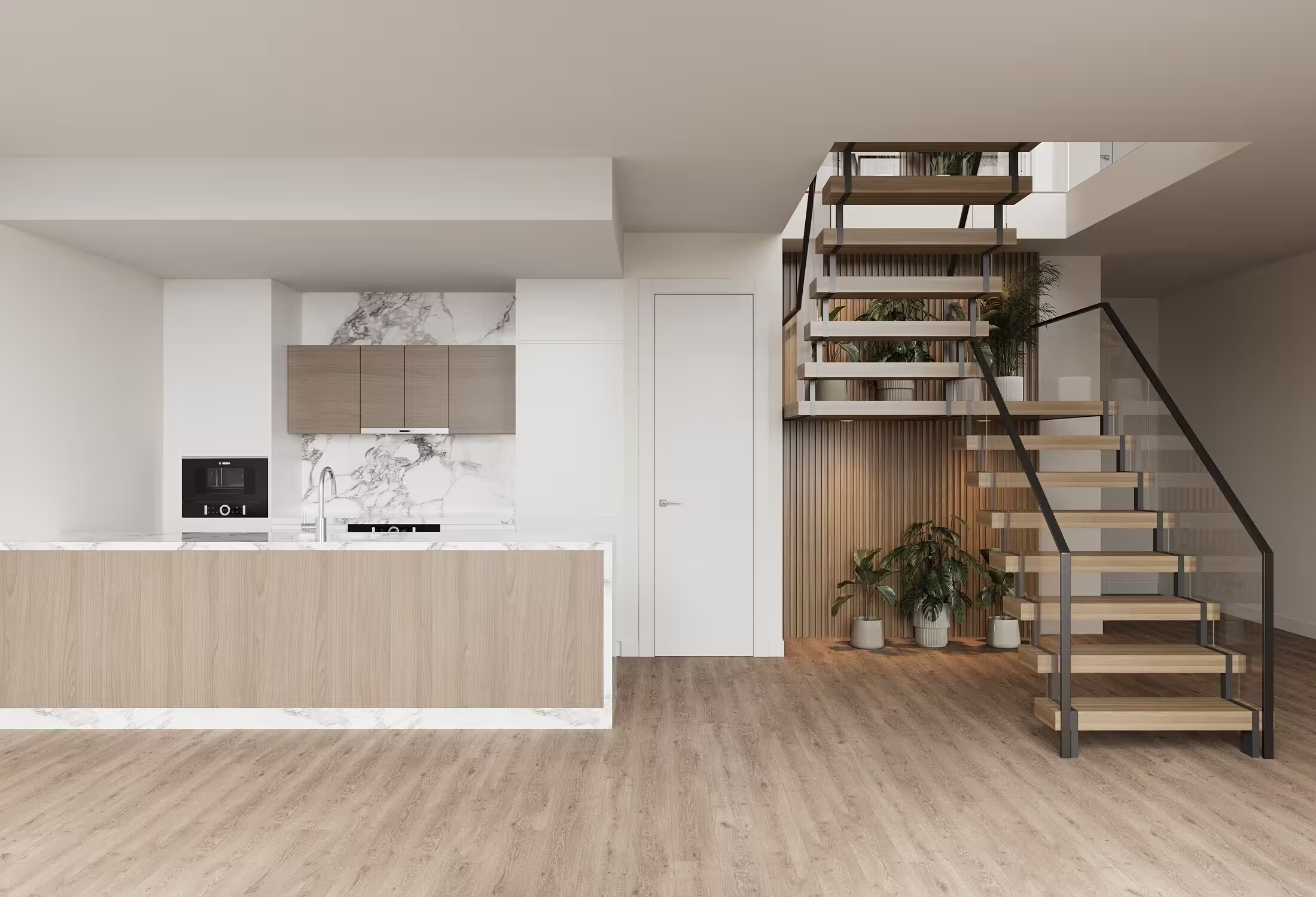
[#1]1. The Myth Of Hidden Costs[#1]
When every facet of a NYC renovation sits within a single price point, it is easy to assume costs could be hidden. In a well-run design-build process, the opposite is true.
Transparent Design-Build Pricing Model
Our full-service renovations come with an itemized, room-by-room cost breakdown as part of the formal proposal. Pricing is built on accurate specs and comprehensive estimates tied to the scope of work and client-approved designs, with every service needed to complete the renovation included under one price.
Comprehensive Pricing, Up Front In The Process
The depth of pre-planning and consultation lets us provide full pricing at the very beginning. That sets the cost parameters for the entire project and keeps it on budget throughout, where traditional methods tend to reveal pricing later.
A typical engagement with an independent architect unfolds differently. You hire the architect to design the space without a clear picture of renovation cost or timeline, invest months in design, then receive contractor bids that often exceed expectations. That leaves the choice of raising the budget or redesigning, which adds delay. Clients also find that some architects prioritize their own vision, producing designs with minimal client input and costs that surface only months in, creating a gap between expectation and result on both budget and aesthetic. By contrast, Gallery's model offers a client-centric, objective-driven process with a talented design team.
In contrast, Gallery’s design-build model offers a client-centric and objective-driven process combined with a talented design team. Read More: What Kind Of Architect Is Best For Your NYC Apartment Renovation?
Singular Pricing Means Less Client Management
Design-build differs from traditional methods, where pricing comes from isolated contractors bidding each service separately. The design-build approach spares clients the work of sourcing and coordinating multiple contractors, so they can focus on design goals and keep their daily routine.
[#2]2. The "Cutting Corners" Misconception[#2]
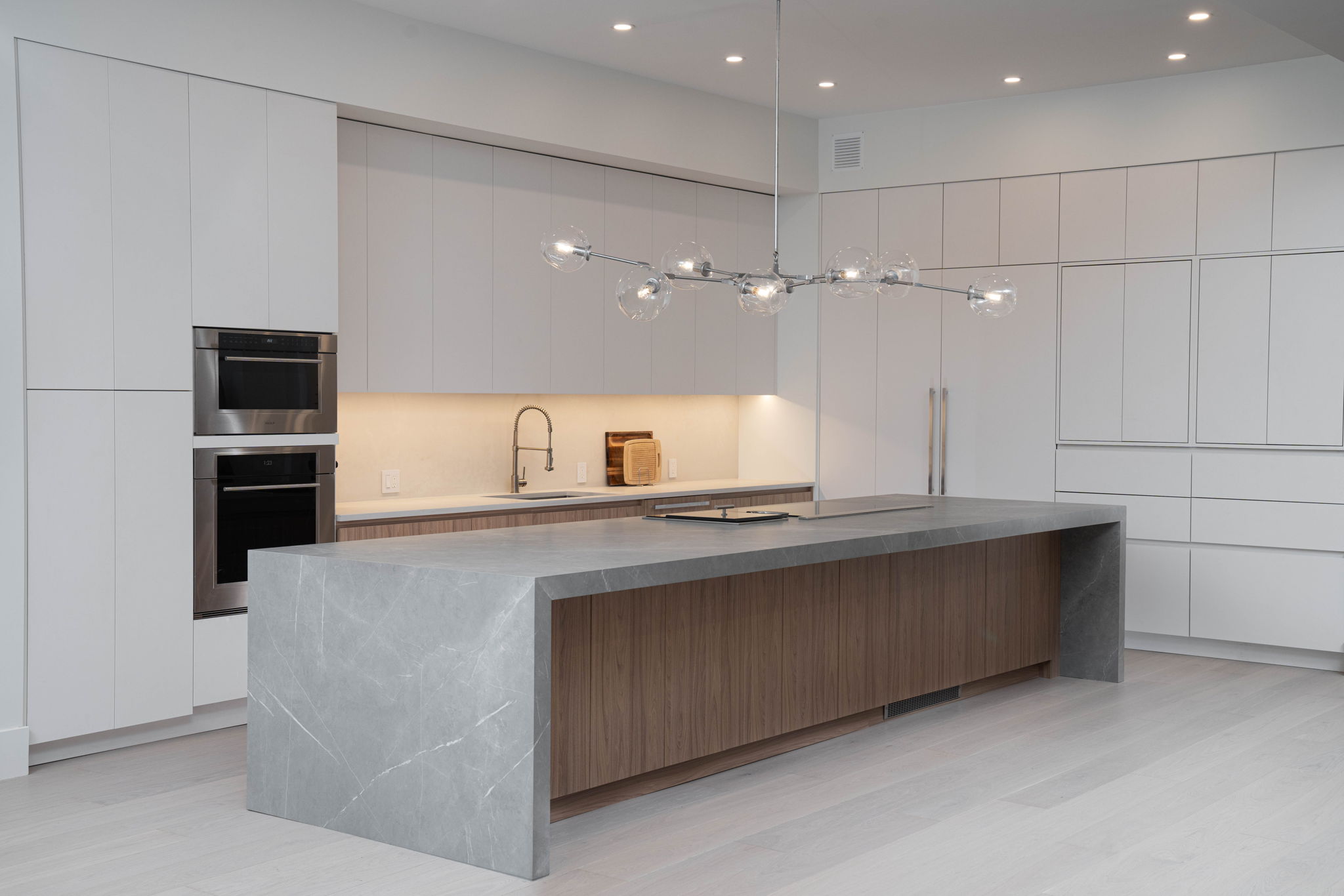
When all renovation services combine under one roof to maximize value, a common myth is that details get missed. With every party working in tandem from day one, each consideration is met with expertise and priority.
Collaborative Nature Of Design-Build Teams
The model brings synergy among everyone involved. With architects, interior designers, project managers, and project liaisons working together under one roof, their combined expertise delivers the home a client envisioned at the outset.
Integrated Processes Produce Efficient Solutions
Traditional methods often add third-party builders or designers later, which forces key stakeholders to catch up. Design-build is collaborative from the start. If an interior designer weighing two door designs has concerns about installation on one, they can consult the architect or project manager immediately. That fast feedback speeds decisions and heads off future issues.
[#3]3. Aligning Interests: How Design-Build Firms Work for You[#3]
With any service agreement, clients may wonder whether their best interests stay front of mind. With a design-build firm, the entire model is built around working on the client's behalf.
Shared Goals Between Clients And Design-Build Teams
When clients first engage, we learn their goals and assess feasibility and potential cost. Once design and cost expectations are confirmed through due diligence, we offer a scope of work, a timeline, and a single cover-all price for the entire renovation from start to finish.
Contractual Structure Incentivizes Client Satisfaction
If the proposal is agreeable, we work toward that shared goal under the contract. With aligned expectations, staying on time and budget is in the firm's own interest. An independent architect, by contrast, often works for themselves, designing with their portfolio in mind, which can lead to high material costs and shifting timelines. With design-build, you pay for a specifically designed home, and delivering exactly that is the firm's job.
.avif)
[#4]4. Quality Assurance In Multi-Project Environments[#4]
When a process is streamlined, some assume quality suffers in the push for progress. With a true design-build firm, client satisfaction and meeting expectations are the priorities.
Quality Control Processes In Design-Build Firms
A single entity owns both design and construction, which minimizes the miscommunications that occur when separate parties handle each in traditional models.
Standardized Process Equals Enhanced Custom Results
Standardization here means uniform procedures, specifications, and guidelines. Consistent design specs, quality-control checklists, and routine safety protocols reduce variability and add efficiency to the timeline.
Our Reputation Requires Meeting Expectations
In traditional methods, an architect or contractor hiring third-party builders or designers places quality control in others' hands, which can lead to inadequate results and mismanaged expectations. The third party is not ultimately responsible for the work, and the project suffers as care is lost in translation. With design-build, every professional works toward the same goal of five-star client satisfaction. If something goes wrong during the renovation, we make the correction, on our dime. We have a reputation to uphold, which starts with delivering the home you envisioned, the way we agreed.
[#5]5. The Misconception Of Limited Design Options[#5]
Because design-build combines services under one roof, clients sometimes ask whether a designer provided as part of the bundle offers enough design freedom. In practice, the model offers more creative freedom than most alternatives.
Collaborative Design Offers A Range Of Possibility
A design-build firm may assign you a specific interior designer, and that designer works on your behalf. With veteran designers who understand the entire process, the design is driven by the client's goals, preferences, and budget. The more open-ended the client, the more the designers can explore.
Client Input Valued Most
When our designers begin imagining a home, your agenda is their agenda. The designs are based on the vision, personal style, and material preferences of the client. Where clients are undecided, we guide the decisions, designing to best practice for the space and the agreed budget. This differs from working with an independent architect, who often designs with their own portfolio in mind and invites less client input. That approach can produce New York Times-featured design, though many clients prefer a more personalized one over that level of customization.
Examples Of Diverse And Innovative Designs
When a client has a specific vision, we can transform even an outdated pre-war apartment into an elegant home, as we did for a client renovating a 4,000 square foot co-op at 1035 Fifth Avenue. She knew what she wanted, and we delivered. When the owner of a post-war co-op at 55 East End Ave hired us for a full renovation of his newly acquired Upper East Side home, his one aesthetic direction was mid-century modern, and that is exactly what we delivered.
[#6]6. Debunking the "One-Size-Fits-All" Approach[#6]
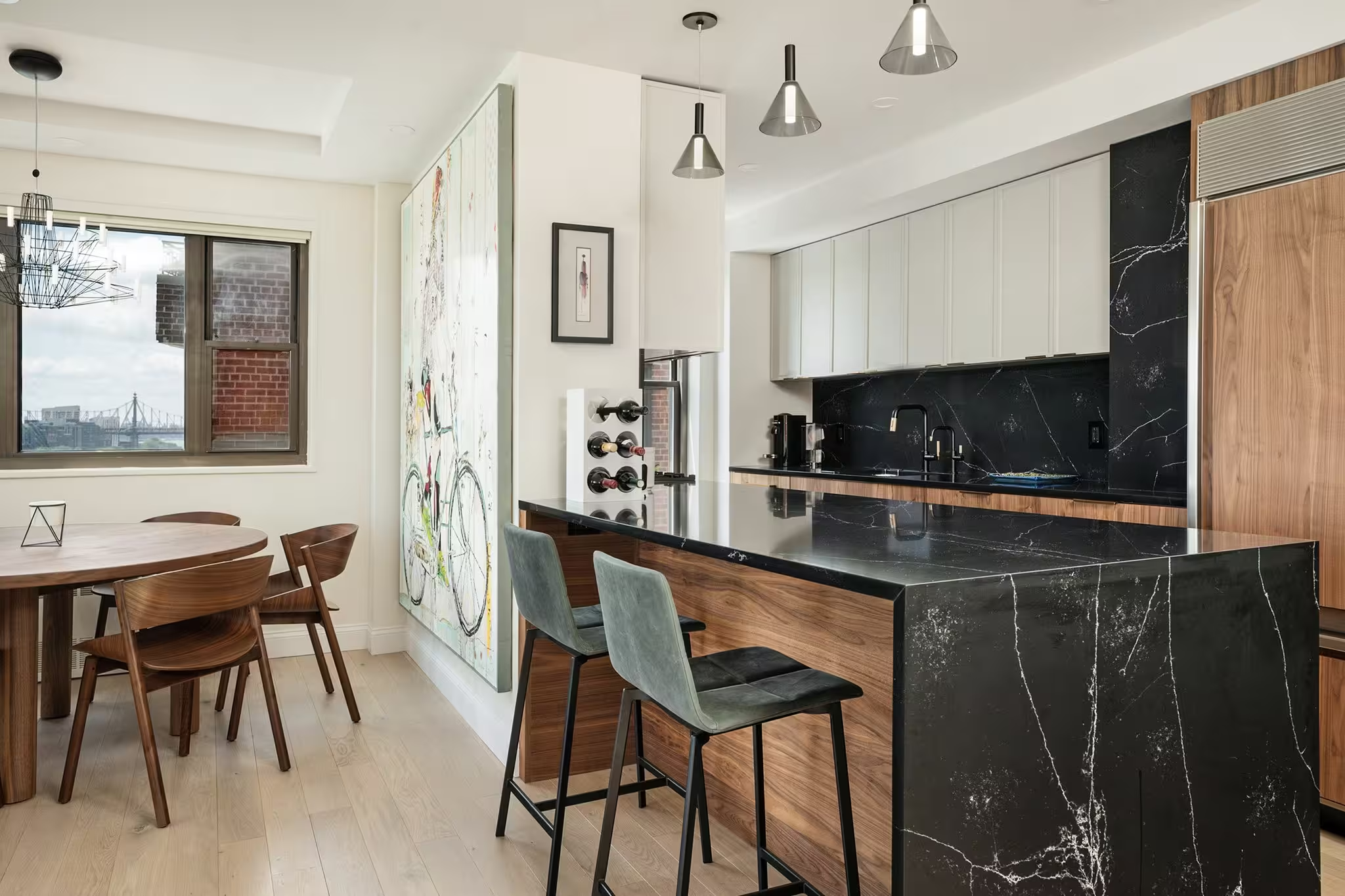
One of the biggest myths is that design-build is one-size-fits-all. While a firm like Gallery uses defined processes to streamline renovations and a foundation of design principles for consistency, a uniform approach to every project simply does not work in New York City.
How Design-Build Firms Tailor Their Approach
When every building carries its own character and set of requirements, a design-build firm has to stay flexible, and the same holds for clients. We approach every renovation differently, catering each project to the client's needs and preferences, along with whatever the building requires us to accommodate.
Proper Planning Leads To Up-Front Flexibility
We prepare for each one-of-a-kind renovation by understanding the project thoroughly during preliminary planning and an in-depth scope-of-work assessment. That diligence lets us plan according to need and scale each project appropriately. View our design-build process in full.
[#7]7. The Myth of Reduced Owner Control[#7]
If you have read this far, you can likely see why the belief that design-build firms reduce client control is misguided. In practice, clients always come first.
Owners Maintain Full Decision-Making Power
From key interior design decisions to finalizing form and function, a true full-service design-build firm lets clients keep executive decision-making power throughout. Our proactive approach keeps change orders minimal, and you retain the power to pause and make a design pivot after approvals are in place. Late-stage changes may require adjustments to the timeline and the original agreement, while the goal of refined design and client satisfaction stays constant.
Collaborative Nature Of Owner Involvement
When the client drives the design and holds final say, the firm's job is more than simply agreeing to every suggestion. As your partner, we offer informed recommendations and feedback throughout, keeping your best interests in view and considering every angle.
Why Design Build Makes Sense For Your NYC Renovation
With these myths set straight, the value of a true design-build firm comes into focus. The model gives an all-inclusive approach to complex NYC renovations for clients who prefer not to manage multiple contractors and who want real design input. Keep in mind that not every firm can genuinely claim full-service design-build, so know what to look for in a true design-build firm before hiring.
Considering an apartment renovation in New York City? Consider Gallery. We are a New York Times-featured design-build general contractor in New York City with a full-service approach to renovations in Manhattan and Brooklyn that includes everything from interior design and architecture services to board approvals/permits and construction management. We’re experts in pre-war renovations, apartment combinations, room creations, full gut renovations and all that falls in between.
View our portfolio of NYC apartment renovation before and afters, learn more about Gallery, or contact us today. Let us bring your dream home to life.
Gallery KBNY is a full-service design-build firm featured in The New York Times, specializing in the architecture, interior design, and renovation of apartments, co-ops, condominiums, townhomes, and lofts across Manhattan and Brooklyn. Our integrated team of architects, designers, contractors, and project managers manages every phase from board approvals and DOB permitting through design and construction. A founding partner is involved in every project, start to finish. Because architecture, design, permitting, and construction are coordinated under one roof, the process remains streamlined, accountable, and transparent from start to finish. Our work has also appeared in Forbes, Architectural Digest, and Inc., and is backed by 100+ five-star client reviews.
[#nyc]Frequently Asked Questions About Using A Design-Build Firm For A Renovation In NYC[#nyc]
Is a design-build firm more expensive than hiring an architect and contractor separately?
The all-in figure is often comparable or more favorable, and it is known earlier. Separate engagements carry independent fees and pricing models that can be tied to a percentage of design or construction cost, which can push selections upward, and the true construction number only appears once bids arrive months into the process. A design-build firm prices design and construction together up front, so the budget is set before work begins rather than discovered along the way.
How is the fixed all-in price determined, and what can still change it?
The price comes from a detailed scope of work and client-approved designs, priced room by room after field verification and subcontractor pricing during pre-construction. Once set, it holds unless you change the scope, by adding a feature, upgrading a finish, or revising the program after approvals. Those owner-requested changes are handled as documented adjustments, while conditions that diligence should have caught are the firm's responsibility, not a surprise on your invoice.
Who actually designs my renovation in a design-build firm, and how much input do I have?
A dedicated in-house designer leads the work, and the design follows your goals, personal style, material preferences, and budget. The more direction you give, the more specifically the design reflects it, and where you are undecided, the team proposes options grounded in best practice for the space. You hold final say throughout, with the designer advising rather than imposing a house aesthetic.
How does a design-build firm handle co-op board approval and DOB permitting?
An integrated firm prepares the board package and the DOB filings in-house as part of the engagement, coordinating the drawings, the alteration agreement, and any building-engineer review under one team. Because the same group owns design and construction, the submission reflects what the building will actually approve, which reduces resubmissions. The owner is kept informed without being made the go-between among separate firms.
What distinguishes a true design-build firm from a contractor who adds a designer?
A true design-build firm employs its architects, designers, project managers, and builders in-house and produces its own drawings, under one contract and one line of accountability. A contractor who brings in an outside designer for a given project is coordinating separate parties, which reintroduces the handoffs the integrated model is meant to remove. Asking who is on staff, who draws the plans, and who is named on the filings reveals which model a firm actually operates.
Manhattan Design-Build
Evaluate Your Manhattan Apartment
Before You Buy
Buying an apartment you plan to renovate? A founding partner walks it with you during the contract period and maps the scope, cost, and timeline, so you know exactly what you're taking on before you sign.
As seen in
Pre-Purchase Assessment
Walk the apartment with us first and understand the full scope, cost, and timeline before you close.
or call us directly
let’s
Design-Build
together