.avif)


.png)
.png)


The Most Iconic Central Park West Apartments In Movie History
Iconic film moments, timeless NYC apartments: Central Park West steals the scene again and again.
July 3, 2025
|
The Most Iconic Central Park West Apartments In Movie History
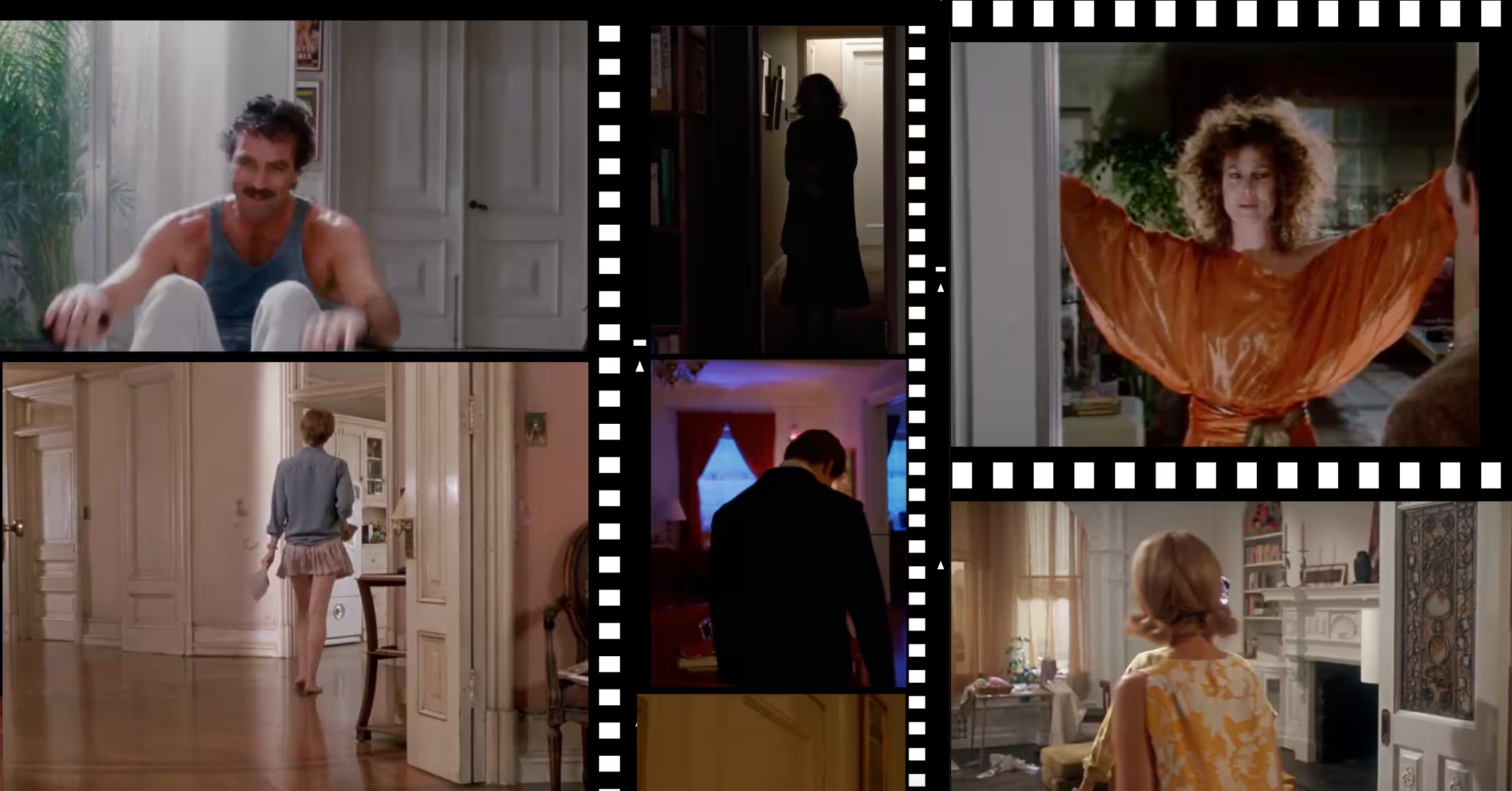
Discover the most iconic Central Park West apartments in film history, and what makes them unforgettable. From Rosemary’s Baby to Ghostbusters, we explore them all.
TABLE OF CONTENTS
- Three Men And A Baby (1987)
- Rosemary’s Baby (1968)
- Hannah And Her Sisters (1986)
- Eyes Wide Shut (1999)
- Single White Female (1992)
- Ghostbusters (1984)
- FAQs About Renovating In Central Park West
Most movies are only good as their scenery, and there’s a reason so many choose New York City. With more character per square foot than anywhere in the world, the right NYC apartment becomes a scene stealer itself, inherently illuminating the lead with immediate depth and charm. Whether polished, dated, or quietly grand, these spaces speak volumes before a word is even spoken, grounding the story in something both cinematic and New York to the core.
While movie-worthy residences can be found throughout the City’s many niche neighborhoods and bustling boroughs, some of the most memorable addresses in movie history are more often than not found in one area - Central Park West.
Famed buildings like The Dakota and The Ansonia echo with real-life history, but their fictional roles are equally legendary. With prominent shine in some of Hollywood’s biggest hits, apartments in CPW have consistently raised the bar.
Join us below as we switch gears from our normal Design & Reno Blog material and have some fun walking through the most iconic Central Park West apartments in movie history.
Iconic Central Park West Apartments In Film
| Film | Building & Address | On-Screen Role |
|---|---|---|
| Three Men And A Baby Directed By Leonard Nimoy | The Prasada 50 Central Park West (1907) | The sprawling pre-war home shared by an architect, a cartoonist, and an actor, anchored by a sun-drenched greenhouse kitchen and oversized windows. |
| Rosemary's Baby Directed By Roman Polanski | The Dakota 1 West 72nd Street (1884) | Reimagined as The Bramford. The Gothic Revival exterior and labyrinthine pre-war interiors fueled the film's psychological tension. |
| Hannah And Her Sisters Directed By Woody Allen | The Langham 135 Central Park West (1907) | An 11-room Beaux-Arts apartment, then Mia Farrow's actual residence, hosting the family Thanksgiving dinners that frame the entire film. |
| Eyes Wide Shut Directed By Stanley Kubrick | 146 Central Park West Kubrick's Own Residence (1929) | The Harford apartment, recreated on a London soundstage but modeled detail-by-detail on Kubrick's actual home, pre-war proportions intact. |
| Single White Female Directed By Barbet Schroeder | The Ansonia 2109 Broadway (1904) | Allie's storied Upper West Side apartment. A real unit served as the set, complete with parquet floors, oversized windows, and ornamental crown moulding. |
| Ghostbusters Directed By Ivan Reitman | 55 Central Park West "The Ghostbusters Building" (1930) | Dana Barrett's Art Deco home and Zuul's gateway to our dimension. Now permanently known to locals and tourists simply as "the Ghostbusters Building." |
Source: Gallery KBNY Central Park West reference (2026). Building details reflect publicly available architectural and historical records; film credits per theatrical release.
A Walking Tour Of Central Park West's Iconic Movie Buildings
Source: Gallery KBNY Central Park West reference (2026). Map is stylized for legibility; building positions reflect relative geographic order along Central Park West and Broadway.
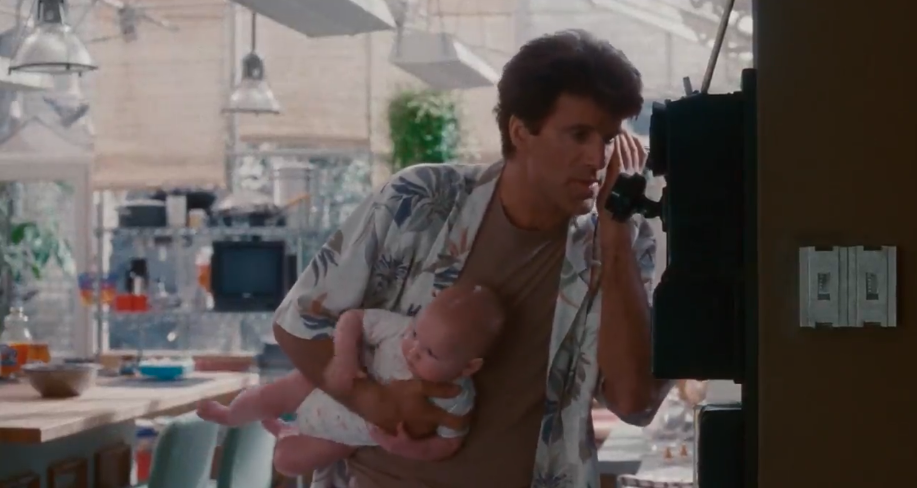
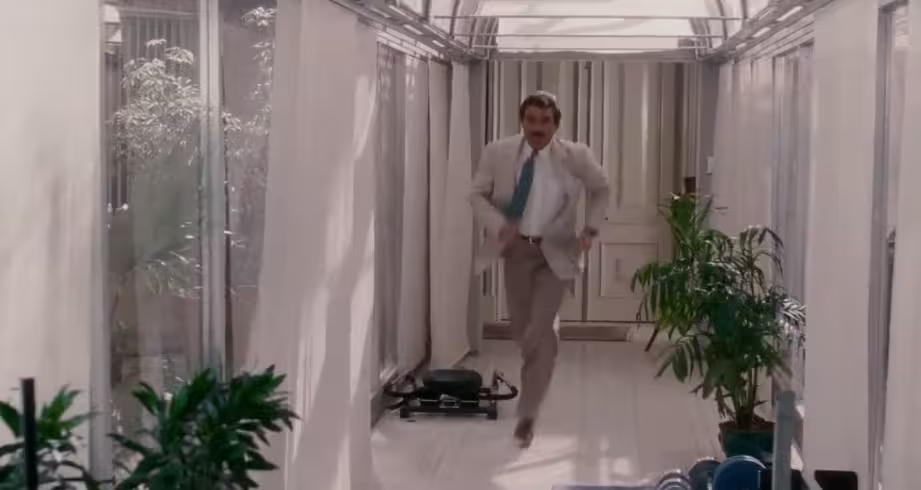
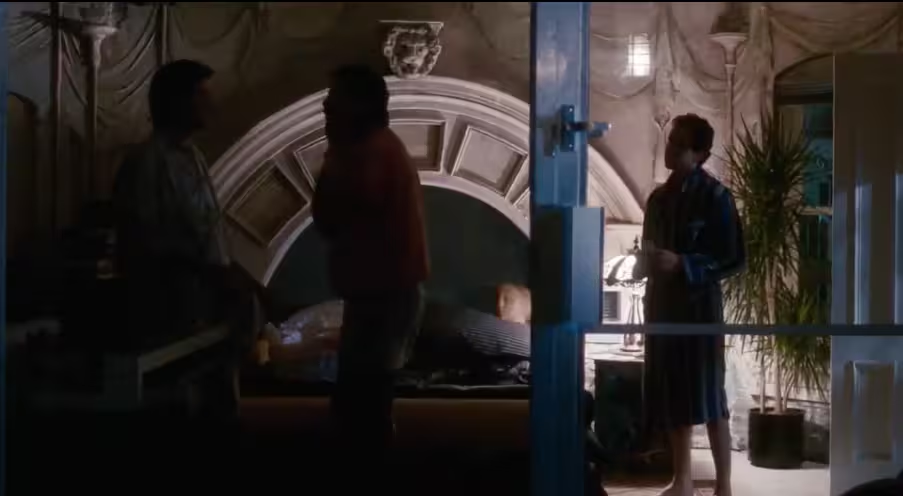
[#1]Three Men And A Baby (1987)[#1]
The Prasada | 50 Central Park West
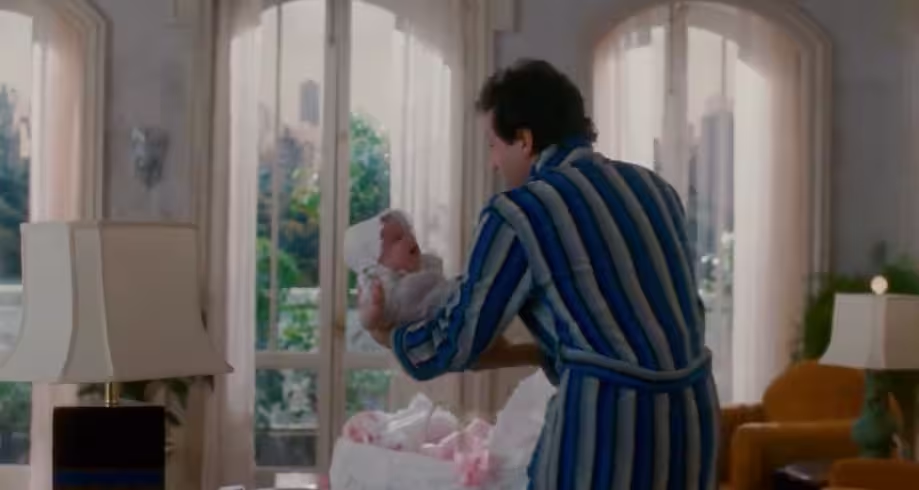
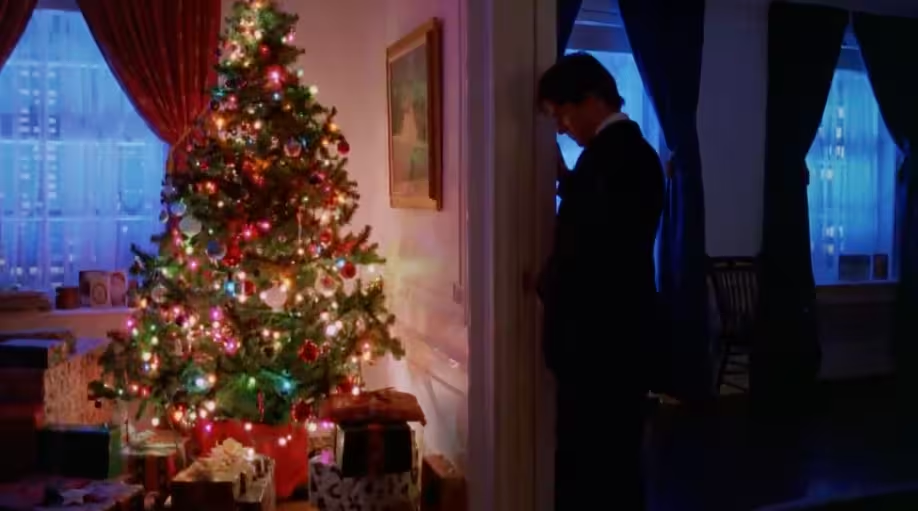
Few buildings offer Upper West Side charm like The Prasada. Built in 1907 and beaming with Beaux-Arts detail, this iconic CPW building brings just the right amount of classic NYC elegance to this unexpectedly warm buddy comedy classic (directed by Leonard Nemoy, of all people). Equipped with a thick 80s retro design, the apartment (shared by an architect, a cartoonist, and an actor) is peak pre-war, bolstering big windows, tall ceilings, and more than enough square footage for their unorthodox family unit. The sun-soaked space feels endless. And that greenhouse kitchen? No wonder the mother finagled a way in.
[#2]Rosemary’s Baby (1968)[#2]
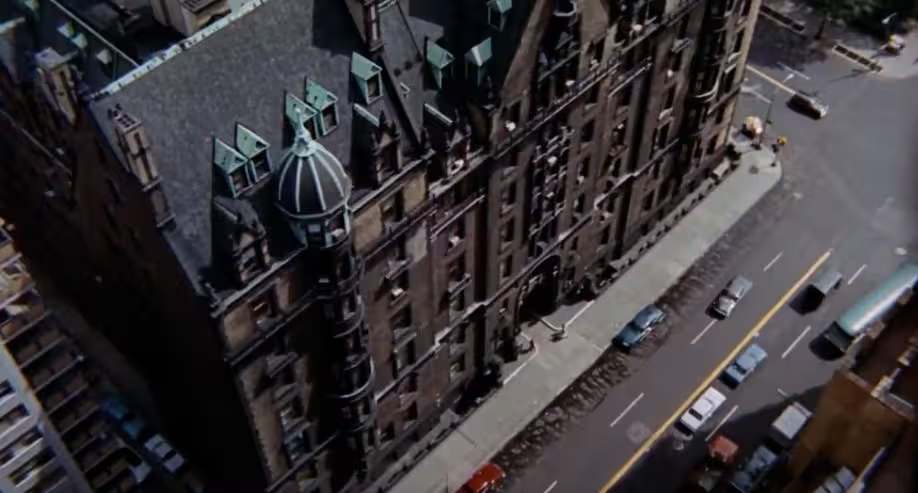
The Dakota | 1 West 72nd Street
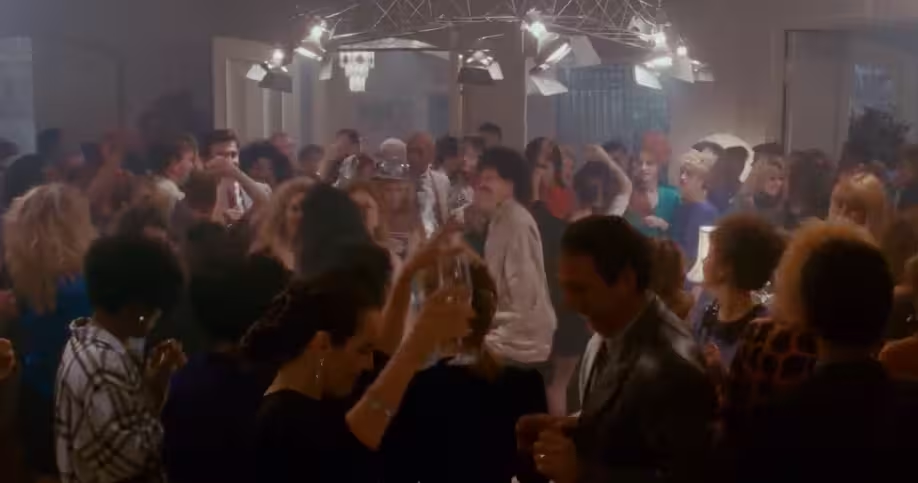
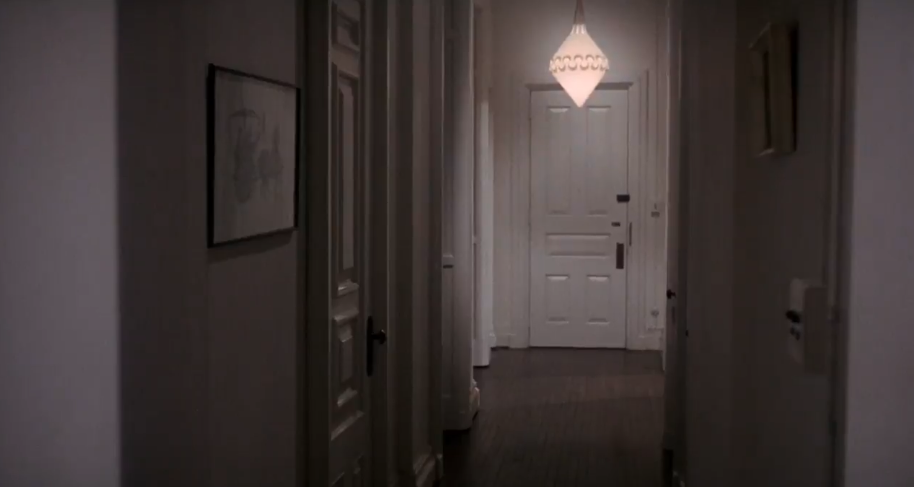
In this skin-crawling horror masterpiece, The Dakota, arguably Central Park West’s most recognizable residence, is reimagined as The Bramford. Beyond the building’s imposing Gothic Revival architectural facade, indoors offers more of a luxe appeal. The peak Mia Farrow-era interiors scream pre-war, offering sky-high ceilings, paneled doors, and a sprawling layout that leaves viewers consistantly guessing what’s around the corner. Real-life headlines only enhance the legend of The Dakota, as John Lennon, a longtime resident, was tragically shot just outside the Dakota’s storied archway.


.avif)
[#3]Hannah And Her Sisters (1986)[#3]
.avif)
The Langham | 135 Central Park West
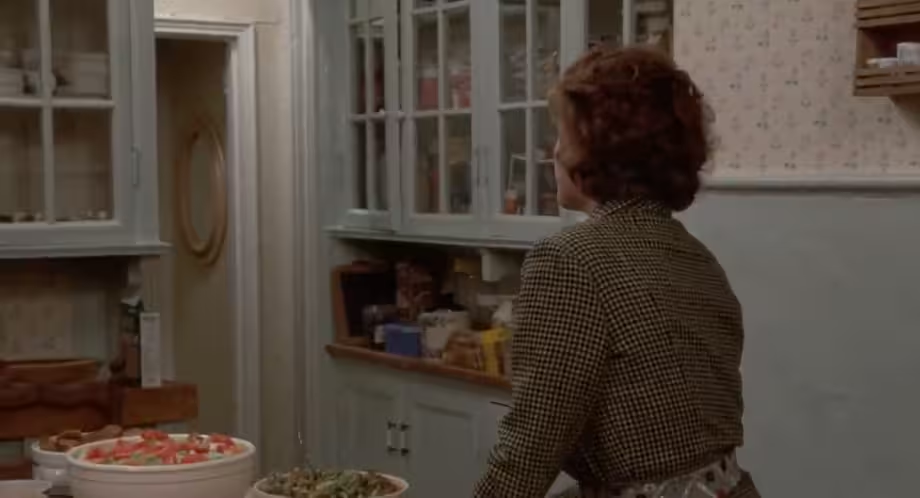
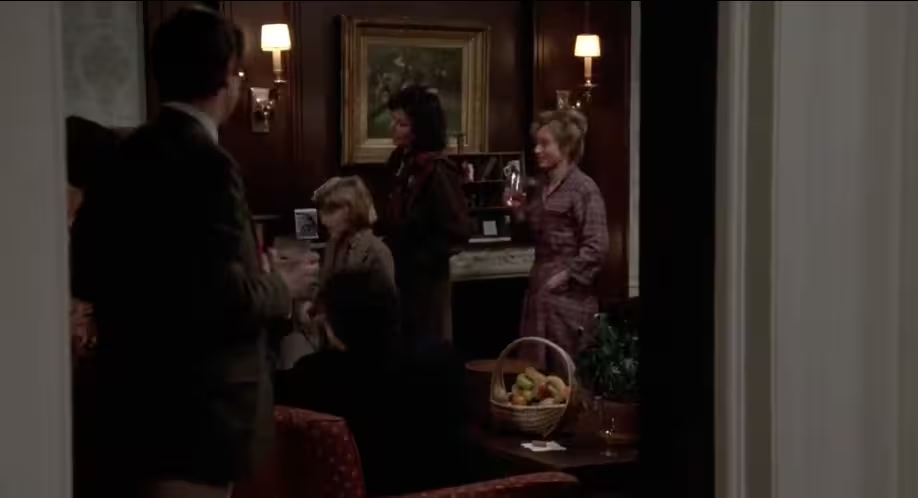
Mia Farrow returned to Central Park West in Hannah And Her Sisters, swapping suspense for something a bit more grounded. The grandiose apartment, apparently a real, privately owned 11-room unit inside The Langham, is the setting for the foundational Thanksgiving dinners that set the stage for this Woody-Allen-directed family drama, projecting a beautiful Beaux-Arts backdrop throughout the ups and downs. The details include immaculate mantels, pocket doors, herringbone floors, and the kind of lived-in look that adds depth to their dysfunction. Farrow actually lived there at the time, and thanks to rent control, she was only paying $1,800 a month. Try finding that on StreetEasy.



Considering a Renovation in NYC?
Click to schedule a consultation with one of the principle partners at Gallery, who will hear out your renovation plans and let you know the best way to proceed - whether we end up working together or not.
Schedule Your Consultation
[#4]Eyes Wide Shut (1999)[#4]
.avif)
146 Central Park West
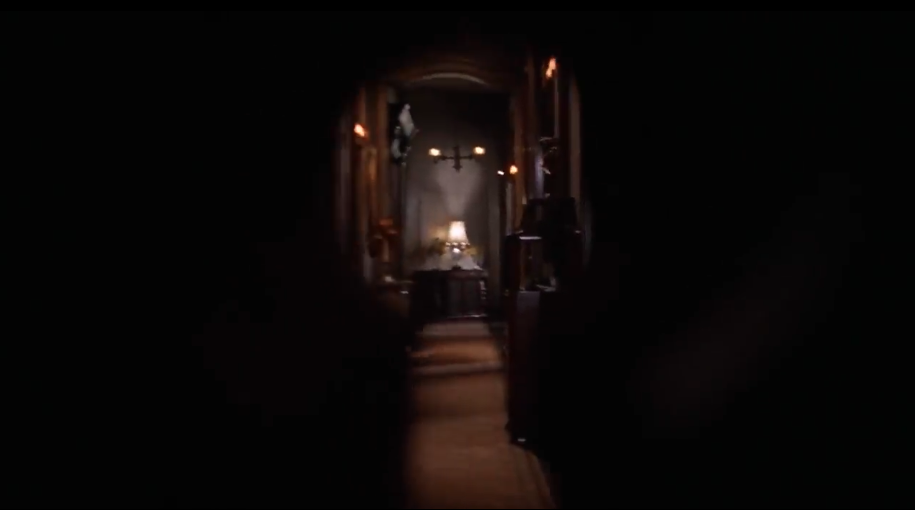
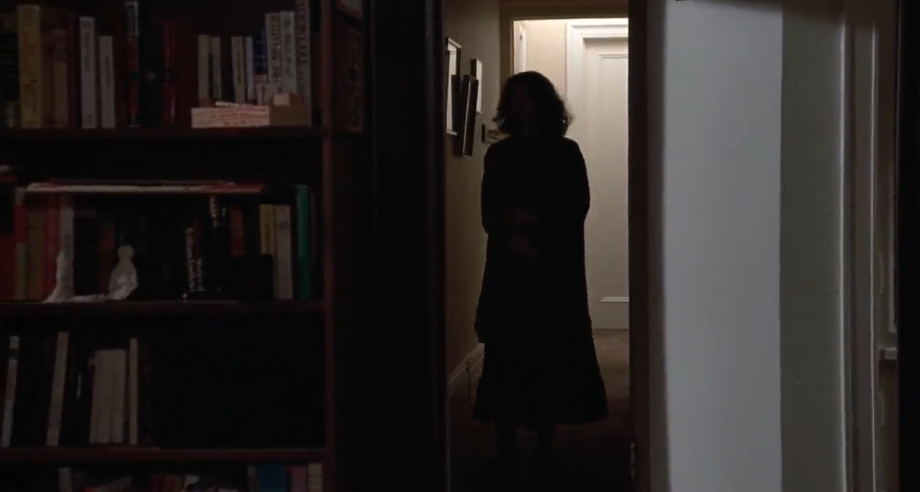
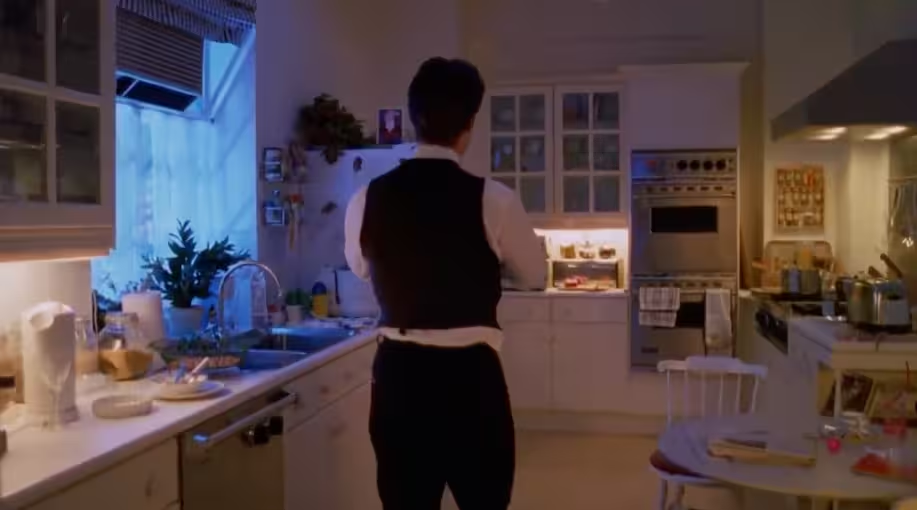
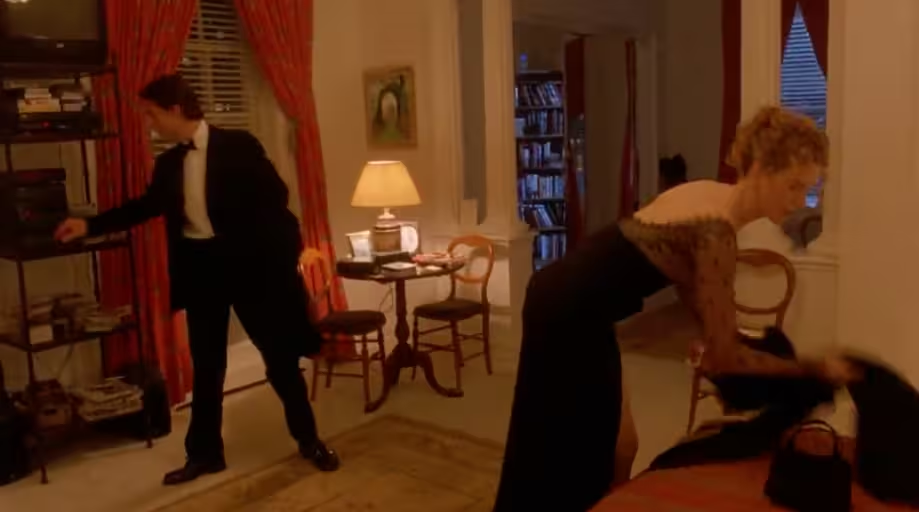
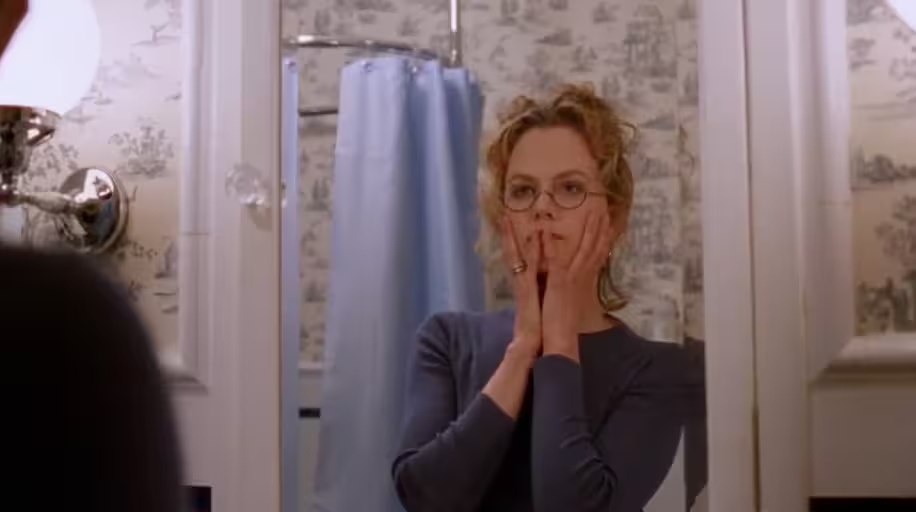
In Stanley Kubrick’s final and freakiest film, Dr. Bill and Alice Harford, played by Tom Cruise and Nicole Kidman, live in an understated Central Park West apartment designed to capture a very specific NYC elegance. Though the interiors were actually recreated on a London soundstage, they were specifically modeled after Kubrick’s own home at 146 CPW, where he lived with his wife Christiane in the 1960s. Nearly every detail, from the layout to the furniture, was either inspired by or sourced directly from that real-life residence. The final product is textured, intimate, and unmistakably Manhattan, complete with pre-war proportions easier to get lost in than the plot itself.
[#5]Single White Female (1992)[#5]
.avif)
The Ansonia | 2109 Broadway
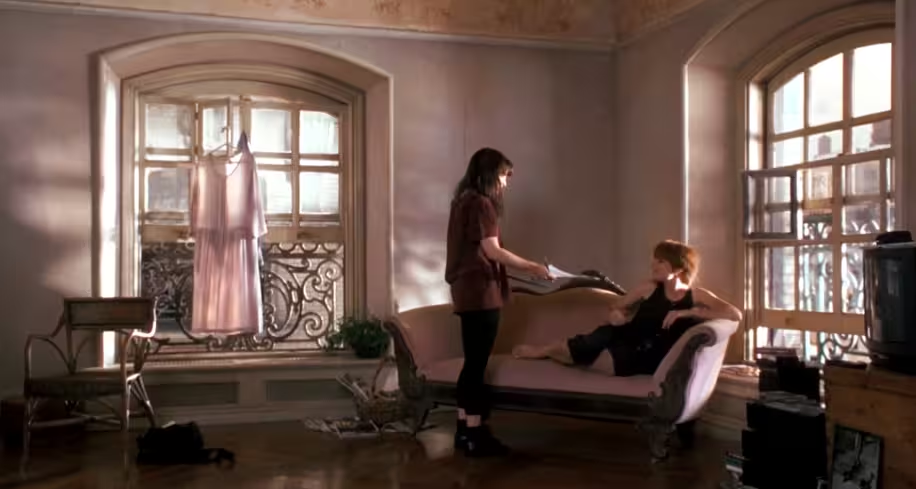
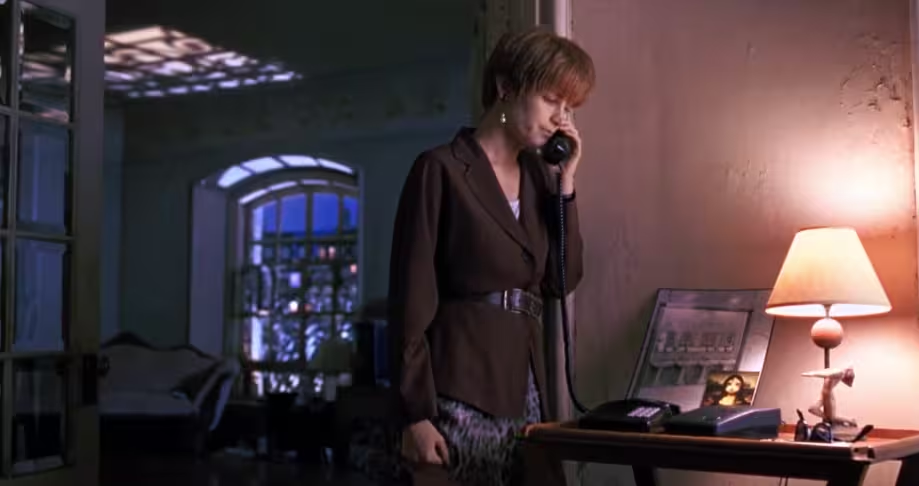
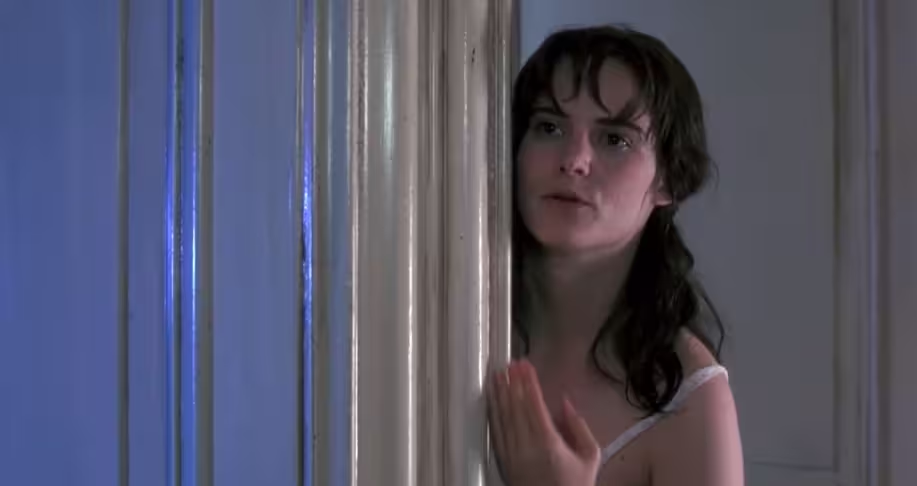
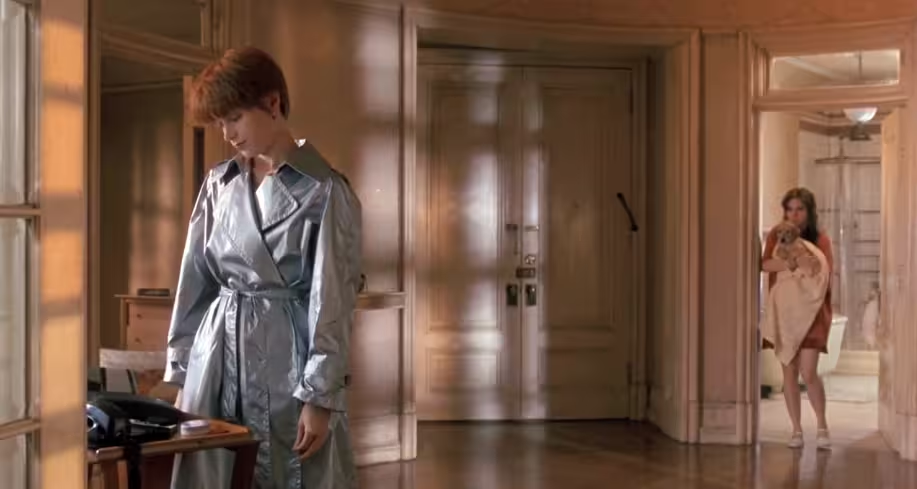
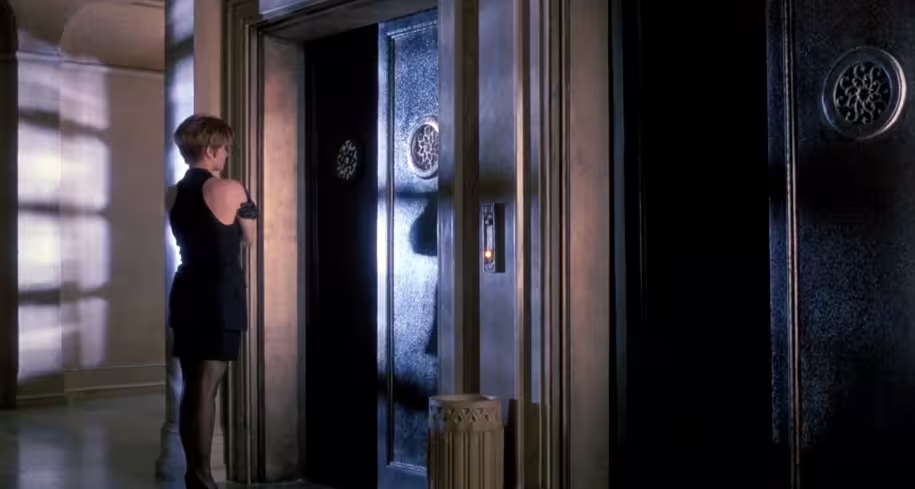
This one stretches the Central Park West boundary by about a block, but The Ansonia’s exquisite appeal inside and out earn inclusion. In the slept-on early-90s thriller, Single White Female, this curvy Upper West Side Beaux-Arts gem plays home to Bridget Fonda’s broken character, Allie. Much of this stirring film was shot inside a real unit, with worn parquet floors, oversized windows, and ornamental crown moldings that beam with pre-war prominence. The real mystery? How she could possibly afford a place this grand without a roommate in the first place.
[#6]Ghostbusters (1984)[#6]
.avif)
55 Central Park West
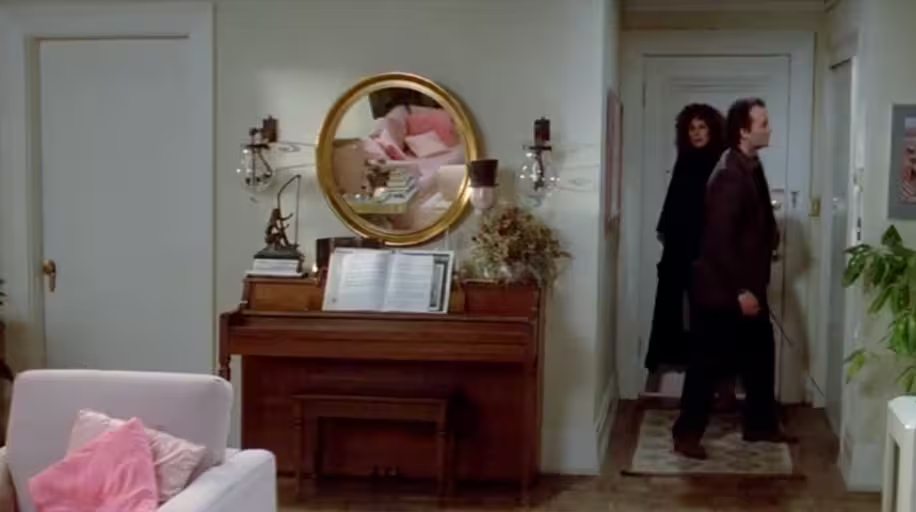
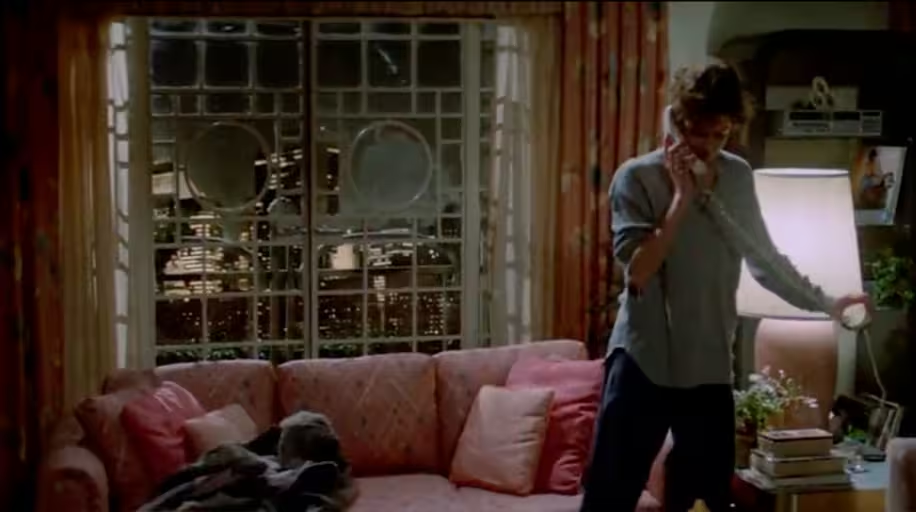
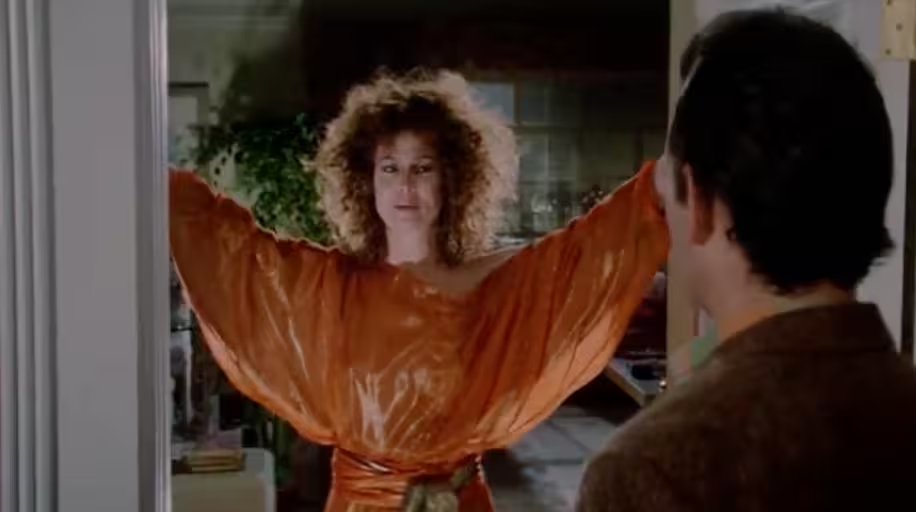
At this point, 55 Central Park West has simply become known as “The Ghostbusters Building” by locals and tourists alike, so this has to be the most iconic entry on our list. In the 1984 unquestionable classic, this Art Deco beauty is transformed into the home of Sigourney Weaver’s Dana Barrett, who becomes possessed by Zuul and proceeds to unleash worst case scenario onto the residents of 55 CPW. Thankfully, the right phone calls were made. Today, the famed NYC residence remains one of the most recognizable pre-war buildings on the Park and proof that a strong architectural presence can make just as much impact on screen as the cast.

The Pre-War Architecture Behind Each Iconic Building
Source: Gallery KBNY Central Park West architectural reference (2026). Construction dates and style attributions reflect publicly available historical records.
Renovating In Central Park West? Let Us Help
Movie magic is one thing. Making a real Central Park West apartment work for your day-to-day is another. If you own a home in New York City, or plan to buy one that could use an upgrade, we’re here to bring your vision to life. We are New York City’s premier full-service design-build firm with plenty of experience in apartment renovations in Central Park West and the portfolio to prove it. At Gallery, we handle every aspect of your residential renovation, from architectural planning and interior design to permits and project management.
Ready to renovate? Learn why design-build is the best method for your NYC apartment renovation or contact us to see why our New York City apartment renovation and remodeling services are the most mindful choice when considering a residential renovation in Manhattan.
Gallery KBNY is a full-service design-build firm featured in The New York Times, specializing in the architecture, interior design, and renovation of apartments, co-ops, condominiums, townhomes, and lofts across Manhattan and Brooklyn. Our integrated team of architects, designers, contractors, and project managers manages every phase from board approvals and DOB permitting through design and construction. A founding partner is involved in every project, start to finish. Because architecture, design, permitting, and construction are coordinated under one roof, the process remains streamlined, accountable, and transparent from start to finish. Our work has also appeared in Forbes, Architectural Digest, and Inc., and is backed by 100+ five-star client reviews.
[#FAQ]Frequently Asked Questions About Renovating In Central Park West[#FAQ]
What architectural styles define these Central Park West buildings?
The group spans the defining pre-war styles of the Upper West Side. The Dakota, completed in 1884, is Gothic Revival and among the earliest luxury apartment buildings in New York City. The Prasada from 1907, The Langham from 1907, and The Ansonia from 1904 are Beaux-Arts, with the ornamental detail and grand proportions that style is known for. 55 Central Park West, built in 1930, is Art Deco. 146 Central Park West, completed in 1929, sits at the later end of the pre-war era. Together they illustrate how much architectural range the pre-war period produced along the park.
Why do these pre-war Central Park West interiors read as so distinctive?
The qualities that make these apartments cinematic are the same ones that define pre-war design: high ceilings, generous proportions, herringbone floors, paneled and pocket doors, immaculate mantels, crown moulding, and oversized windows that fill the rooms with light. A layout with rooms that unfold around corners gives a space depth that a modern open plan does not, which is part of why filmmakers return to these interiors. The detail reads as lived-in and grand at once, grounding a scene in a specific New York character before any dialogue begins.
What should I know before renovating a co-op in a landmarked Central Park West building?
Renovating in a landmarked Central Park West building involves layers beyond a standard apartment project. Exterior work, and in some cases interior elements, fall under Landmarks Preservation Commission review, which applies preservation standards and adds an approval track on top of the DOB filing. The co-op board applies its own discretion over scope, timing, contractor requirements, insurance, and the alteration agreement, and boards in these buildings often expect original detailing to be retained. Planning for both the landmark and the board review from the outset, with documentation prepared to their standards, is what keeps a project in one of these buildings moving rather than stalling at approval.
Can the original details in a pre-war CPW apartment be preserved during a modern renovation?
Yes, and preserving them is usually the goal. Original crown moulding, herringbone floors, mantels, paneled and pocket doors, and window casings can be restored instead of replaced, which maintains the character that gives these apartments their value. Modern systems can be integrated without disturbing that detail, as with concealing central air inside the walls to preserve ceiling heights and protected park views rather than dropping ceilings that would compromise them. The balance of restoring period elements while introducing contemporary comfort is precisely the work these buildings call for.
Are Central Park West buildings mostly co-ops, and how does that affect a renovation?
Many of the pre-war buildings along Central Park West are co-ops, which shapes the renovation process in specific ways. A co-op board reviews and approves the scope, sets contractor insurance requirements, issues the alteration agreement, and exercises broad discretion over what is permitted and when work may proceed. That authority is generally wider than a condo board's, and the review can extend the planning phase. Understanding the individual building's requirements early, and preparing a complete submission, is what allows the approval to move on schedule in a co-op of this caliber.
What challenges are unique to renovating in a historic Central Park West building?
The defining challenges combine landmark oversight, board culture, and the realities of aging construction. Landmarks Preservation Commission review can govern exterior and certain interior changes, and the co-op board adds its own approval layer with a preservation expectation. Protecting ceiling heights and Central Park views often constrains how mechanical systems are routed, which is why concealed split systems are frequently the answer. Thick masonry, original plumbing and electrical, and period detailing all require careful coordination so upgrades do not disturb what makes the apartment worth owning. A firm experienced in these buildings plans for each of these from the start.
Manhattan Design-Build
Evaluate Your Manhattan Apartment
Before You Buy
Buying an apartment you plan to renovate? A founding partner walks it with you during the contract period and maps the scope, cost, and timeline, so you know exactly what you're taking on before you sign.
As seen in
Pre-Purchase Assessment
Walk the apartment with us first and understand the full scope, cost, and timeline before you close.
or call us directly
let’s
Design-Build
together