.avif)


.png)
.png)


Interior Design Tips To Consider When Renovating Pre-War Apartments In NYC
Revitalize your NYC pre-war apartment with these considerate tips, celebrating historic charm, modern comfort, and preserving architectural elements for a perfect blend of elegance and convenience.
January 26, 2024
|

Interior Design Tips To Consider When Renovating Pre-War Apartments In NYC
Renovating a pre-war apartment in NYC offers challenges and opportunities that should be considered before starting your home overhaul.
Table of Contents
- Showcasing High Ceilings and Decorative Mouldings
- Infusing Elegance with Choice Hardware
- Honoring Traditional Architectural Elements
- Color Schemes and Textiles: Bridging Past and Present
- Modernizing While Preserving Historical Integrity
- Frequently Asked Questions About Interior Design for Pre-War Apartment Renovations in NYC
When considering the purchase of a pre-war apartment in NYC that requires renovations, there's always a way to revitalize the everlasting historical charm of the space. Whether your potential pre-war home needs extensive restoration or the space has been relatively well-kept and now needs modern amenities, our full-service design-build approach allows clients to maximize their pre-war space with an added proficiency that sets us apart from alternative renovation solutions. We leverage thoughtful interior design elements, ranging from practical to luxurious, ensuring a seamless blend of historic charm and contemporary comfort.
Explore everything from intricate crown mouldings and immaculate mantels to choice hardware selections and color recommendations via our exclusive guide to the subtle art of interior design for pre-war apartment living in NYC.
.jpg)
[#High]Showcasing High Ceilings and Decorative Mouldings[#High]
In the grandeur of pre-war apartments in NYC, one of the most captivating features are the soaring ceilings lined with intricate decorative mouldings. These distinctive design elements not only add vertical spaciousness but an air of refined sophistication to your home. As a premier design-build firm catering to the ambitious taste of our NYC audience, we recommend leveraging the unique opportunities presented by these elevated canvases as follows:
Embrace Verticality
With ceilings that touch the sky, your pre-war apartment provides a unique opportunity to play with vertical space. To accentuate the height, consider utilizing drapery that extends from ceiling to floor, creating an illusion of elongated windows that emphases the majestic height of the room. Choose furnishings with vertical lines to draw the eyes upward, enhancing the sense of openness. Our design philosophy revolves around creating balance, so while we celebrate the lofty ceilings, we also ensure the space feels intimate and inviting.
Highlight Decorative Mouldings
Decorative crown mouldings framing the ceilings and walls of pre-war apartments are distinctive signatures of pre-war craftsmanship. Our approach is to celebrate these intricacies by incorporating lighting fixtures strategically. Well-placed sconces or discreet uplighting can cast a gentle glow, accentuating the depth of detail. Additionally, consider a soft, neutral color palette for the walls to allow the mouldings to take center stage, creating a canvas where classic charm meets contemporary allure.
Customization is Key
Every NYC pre-war apartment is unique, and we recognize the importance of tailoring our designs to enhance the individual character of each space. Our team of design and construction experts work in tandem to create tailor-made solutions, ranging from custom-designed mouldings that pay homage to the building's history to tailored lighting installations that seamlessly integrate with the architecture. By infusing personalized touches, we help bridge the gap between the historical heritage of your pre-war home and the future goals of your family.
[#Infusing]Infusing Elegance with Choice Hardware[#Infusing]
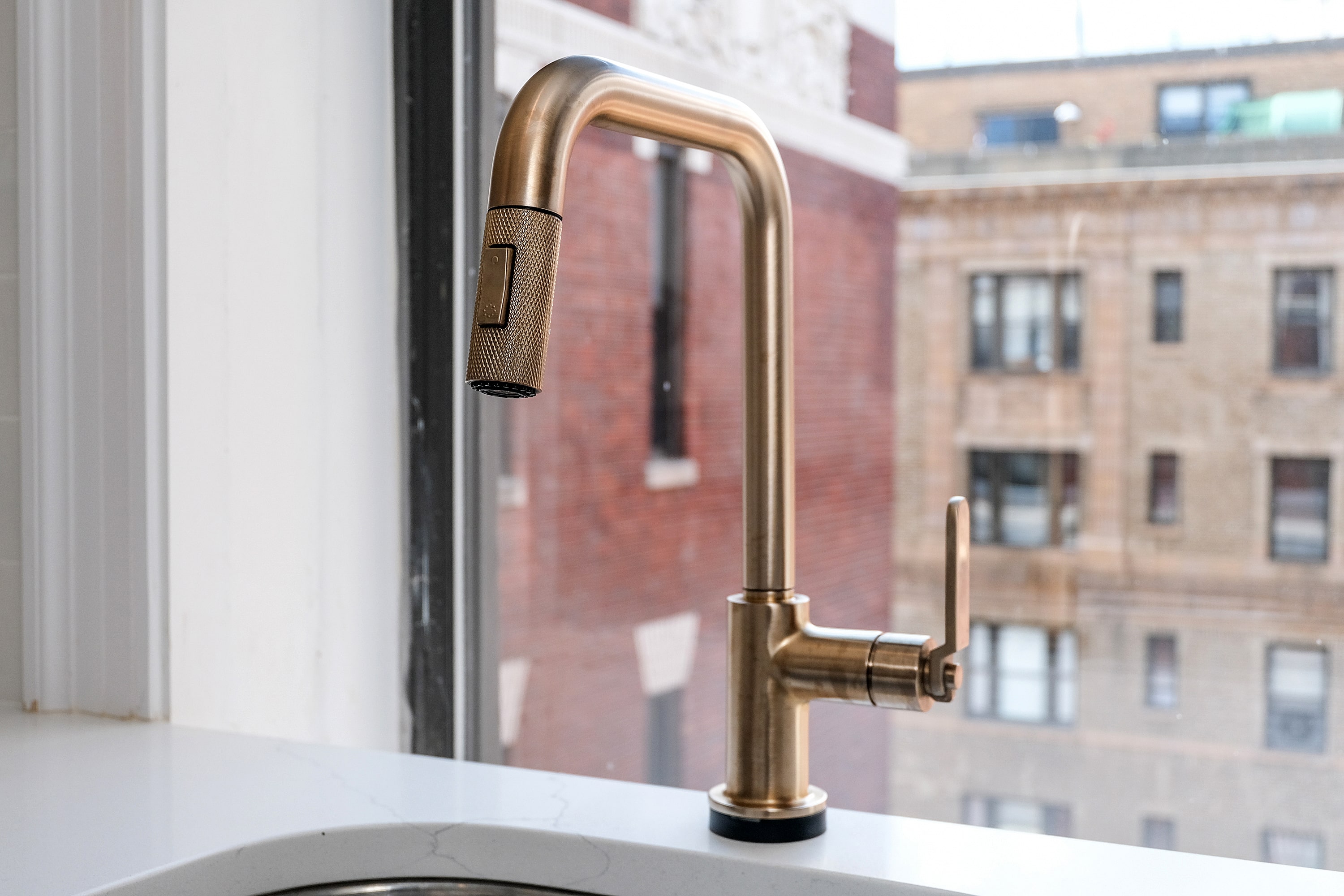
Attention to detail is crucial in the interior design of pre-war apartments in NYC, and naturally, identifying choice hardware is a vital part of the process. Let’s review various ways we help our clients enhance their pre-war homes with personalized and meticulously picked hardware selections.
Harmonizing Styles for Cohesive Design
A cohesive pre-war design is born out of the careful orchestration of various elements, and hardware is no exception. Our design team excels in harmonizing styles, seamlessly blending the old with the new. Whether your pre-war abode leans towards traditional, art deco, or a more contemporary aesthetic, our experts guide you in selecting hardware that complements your preferred design language, creating a cohesive and visually stunning result.
Curating a Selection of Signature Pieces
At Gallery, our design philosophy aims for timeless sophistication. When selecting hardware, we work with our clients to curate a collection of signature styles that exude both historic and contemporary flair, leaning into personal preference when appropriate and provided an adjusted course of action when potentially off the mark. From intricately designed doorknobs to bespoke cabinet handles, every choice is made with precision to enhance the aesthetic allure of your pre-war haven.
Embracing Quality Craftsmanship
The allure of pre-war apartments lies not just in their historical significance but also in the craftsmanship that defines them. When considering hardware selection, we prioritize quality craftsmanship that stands the test of time. Opting for materials like brass or nickel ensures not only durability but also a patina that enriches with age, offering an added layer of character to your living space.
Personalizing Spaces with Bespoke Accents
The heart of classic pre-war charm is found in the ability to personalize your space with distinctive touches. In the realm of hardware, this means custom-designed pieces that reflect your unique taste and lifestyle. From specially-crafted drawer pulls to one-of-a-kind lighting fixtures, these personalized elements not only elevate the elegance of your pre-war residence but also make a statement about your commitment to curated design. For instance, we procured hand-blown glass door knobs custom-made in England for a recent gut renovation we completed in downtown Brooklyn, simply because the client wanted them to resemble the ones from the pre-war brownstone she grew up in.

[#Honoring]Honoring Traditional Architectural Elements[#Honoring]
While introducing elements is essential to fully realized pre-war interior design, optimizing the current architectural features that make the property special through fine-tuned expertise and strategic restoration is vital. When renovating pre-war apartments in NYC, these are the areas we strive to honor whenever possible during the renovation process:
Preserving Original Moulding & Trim
The essence of pre-war architecture is found in the intricate moldings and trim adorning ceilings, walls, and doorways. Our dedication to classic charm starts with conserving these original features, restoring as needed. Whether delicate crown moldings, wainscoting, or ornate baseboards, our design approach is centered on honoring and elevating these architectural elements. The aim is not merely preservation but enhancement, ensuring each room radiates the grandeur envisioned by the home’s original architect.
Considering a Renovation in NYC?
Click to schedule a consultation with one of the principle partners at Gallery, who will hear out your renovation plans and let you know the best way to proceed - whether we end up working together or not.
Schedule Your Consultation
Embracing Herringbone & Parquet Flooring
The underlying allure of pre-war living is often embodied by herringbone and parquet flooring. These classic patterns, characterized by a meticulous arrangement of wood planks, add an unparalleled sense of sophistication to your space. Our design team works to restore, refinish, or replicate these flooring patterns, allowing you to tread upon a piece of history while enjoying the warmth and character they bring to your home.
Enhancing Leaded Glass Windows
Leaded glass windows are iconic features that not only bathe your pre-war apartment in natural light but also contribute to its distinctive aesthetic. Our design philosophy involves preserving and enhancing these windows, whether through meticulous restoration or strategic additions of complementary treatments.
Celebrating Fireplace Mantels
The fireplace mantel, a symbol of warmth and gathering, is a focal point that demands reverence in pre-war design. Our experts understand the importance of celebrating and preserving these architectural treasures. From restoring original mantels to sourcing period-appropriate replacements, we ensure the heart of your home retains traditional charm, providing a visual anchor for your living spaces.
[#Color]Color Schemes and Textiles: Bridging Past and Present[#Color]
When contemplating interior design for your pre-war apartment in NYC, the art of selecting color schemes and textiles is crucial in crafting a lasting narrative. Here are some ways our design team uses colors and textiles to blend the historic heritage of pre-war apartments with a personal, more modern appeal.
Embracing Timeless Hues
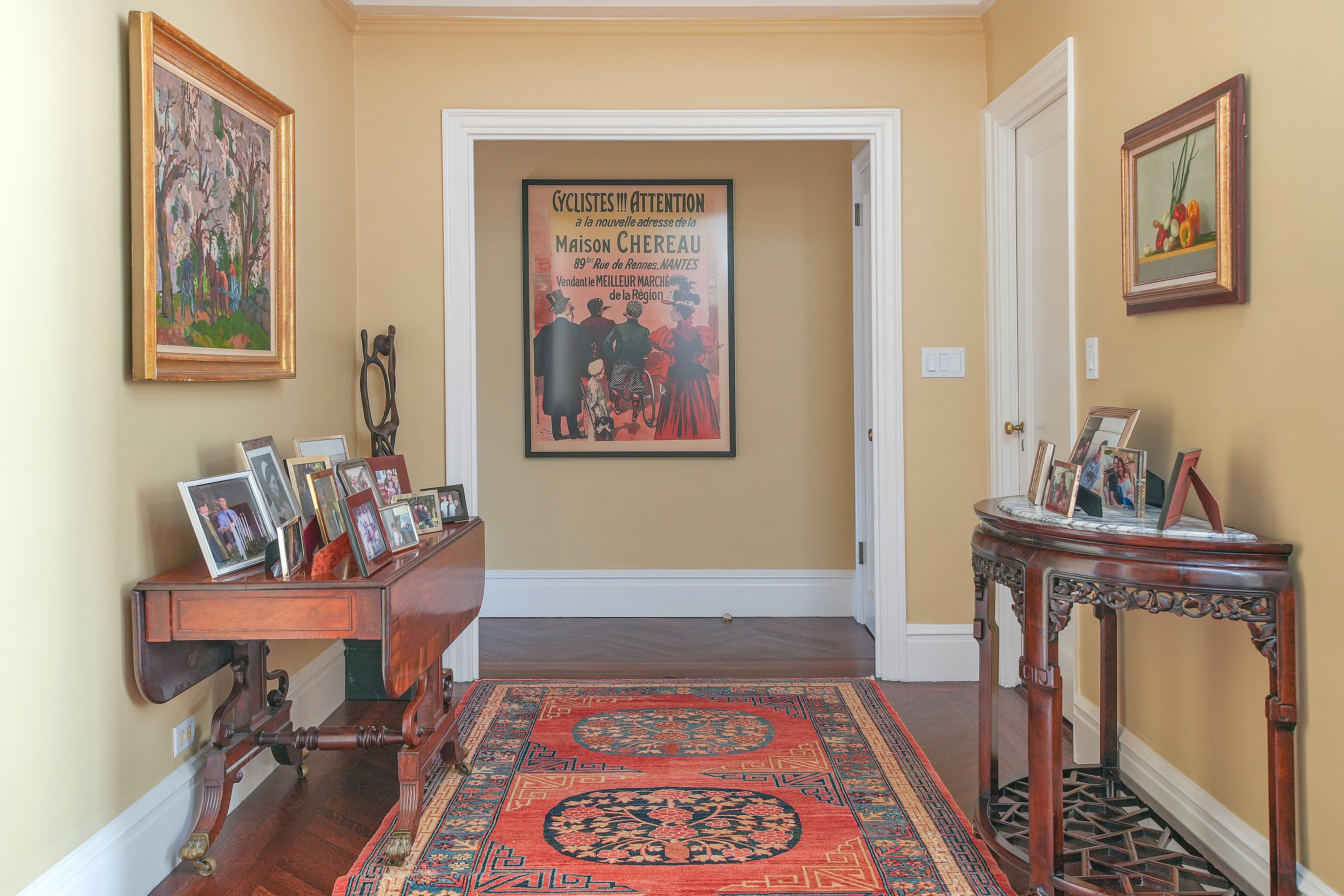
The color palette of a pre-war apartment in NYC is a canvas that reflects the elegance of a more simplistic era. Our design philosophy often includes embracing evergreen hues that honor the building's history. Soft neutrals, muted tones, and classic whites serve as a backdrop, letting architectural details shine. Yet, we also add strategic pops of color to bring life into the space - as we did with an orange-seated breakfast nook amidst the classic kitchen aesthetic in our Manhattan townhouse renovation at 529 East 87th, achieving a welcomed balance between tradition and modernity.
Layering with Luxurious Textiles
When chosen wisely, textiles are the tactile glue that hold a well-curated interior together. In pre-war design, we recommend in the richness of timeless fabrics such as velvet, silk, and cashmere, leveraging layers that add depth and warmth. From sumptuous drapery that frames leaded glass windows to plush area rugs that define seating areas, every textile should be meticulously chosen to enhance the sensory experience and evoke a sense of indulgence.
.jpg)
[#Integrity]Modernizing While Preserving Historical Integrity[#Integrity]
When renovating any of the many pre-war apartments in NYC, the delicate balance of modernization and preserving historical integrity poses both a challenge and an opportunity. At Gallery, our commitment is to enhance our clients' living experiences by guiding their pre-war renovations towards practical precision, even if that involves introducing modern elements.
Embracing Smart Technology
While certain tech trends may seem like overkill, introducing smart technology into your pre-war apartment can do wonders for your peace of mind. At Gallery, we integrate smart technology discreetly into our pre-war designs, offering amenities such as intelligent lighting, climate control, and state-of-the-art security systems - without disrupting the pre-war design palette. The marriage of cutting-edge technology with age-old architecture ensures that your living space evolves to meet the demands of the 21st century while respecting its storied past. For more suggestions, read Renovations & Technology: 10 Smart Home Remodeling Ideas.
Blending Tradition With Contemporary Open Concept Living
The allure of open-concept living can be seamlessly incorporated into pre-war spaces, creating fluidity without compromising on historical integrity. When crafting your ideal floor plan, our design team excels in removing non-structural walls, opening up spaces to create a more contemporary layout. However, we do so with a meticulous approach, respecting the original architectural intent and preserving key features like decorative mouldings, fireplaces, and leaded glass windows that define the classic charm of your pre-war design.
Gallery KBNY is a full-service design-build firm featured in The New York Times, specializing in the architecture, interior design, and renovation of apartments, co-ops, condominiums, townhomes, and lofts across Manhattan and Brooklyn. Our integrated team of architects, designers, contractors, and project managers manages every phase from board approvals and DOB permitting through design and construction. A founding partner is involved in every project, start to finish. Because architecture, design, permitting, and construction are coordinated under one roof, the process remains streamlined, accountable, and transparent from start to finish. Our work has also appeared in Forbes, Architectural Digest, and Inc., and is backed by 100+ five-star client reviews.
[#FAQ]Frequently Asked Questions About Interior Design for Pre-War Apartment Renovations in NYC[#FAQ]
What Makes Interior Design for Pre-War Apartments Different From Other NYC Renovations?
Pre-war apartments come with fixed conditions that you work with, not around. The architecture itself is the design.
The ceiling heights, plaster mouldings, herringbone floors, and fireplace mantels are what make these apartments worth buying in the first place. The job of a skilled renovator is to honor those features while layering in the modern functionality that makes the space livable today.
That tension between preservation and modernization is what separates thoughtful pre-war interior design from a generic gut renovation. Anyone can strip a pre-war interior down to the studs. The real skill is knowing which elements to keep, which to restore, and which to reinterpret without the result feeling like a museum piece.
Should You Preserve Original Mouldings and Trim During a Pre-War Renovation?
In most cases, yes. The threshold for removal should be high.
Original crown mouldings, wainscoting, picture rails, and ornate baseboards are what distinguish a pre-war apartment from every other apartment in the city. Removing them to gain a few inches or simplify construction is a trade-off that rarely pays off in the finished product.
When mouldings are damaged or incomplete, the better path is careful restoration or replication using period-appropriate profiles. At Gallery KBNY, we treat original millwork as a primary design asset and build the rest of the design around it rather than sacrificing it to accommodate something else.
How Do You Modernize a Pre-War Apartment Without Losing Its Historic Character?
The key is distinguishing between what the building wants to be and what your lifestyle requires, then finding solutions that serve both without compromising either.
A few principles we return to consistently on pre-war renovations:
- Open-concept layouts can be introduced by removing non-structural walls while keeping mouldings, ceiling height, and original flooring fully intact
- Smart home systems, integrated lighting, and modern climate control can be concealed within the existing architecture so they disappear into the space rather than announcing themselves
- New custom millwork should reference the building's era rather than contrast with it
The goal is an apartment that functions as a 21st-century home but reads as a pre-war one.
What Color Palettes Work Best in Pre-War NYC Apartments?
Pre-war architecture rewards restraint in color. Soft neutrals, warm whites, and muted tones allow the architectural details to take center stage rather than competing with them.
A well-chosen neutral backdrop lets crown mouldings, ceiling medallions, and original trim read with the depth and dimension they deserve. That does not mean monotony. Strategic use of color in secondary spaces, a breakfast nook, a library, or a powder room, adds personality and warmth without disrupting the overall sense of refined calm that defines the best pre-war interiors.
The palette should feel considered, not cautious.
How Do You Handle Flooring in a Pre-War Apartment Renovation?
Original herringbone and parquet floors are among the most valuable features in any pre-war apartment. The default position should always be preservation and restoration where possible.
Refinishing original hardwood, repairing missing sections with matching wood species, and restoring the pattern to its original geometry almost always produces a better outcome than full replacement. Where floors are beyond repair or have been covered over by previous renovations, replication using period-appropriate patterns and materials is the right path.
Dropping in wide-plank contemporary flooring over a pre-war layout is one of the most common ways a renovation loses the character that made the apartment worth buying in the first place.
What Hardware Choices Work Well in Pre-War Interior Design?
Hardware is the detail that ties a pre-war interior together. It tends to be where the difference between a finished renovation and a truly considered one becomes most visible.
A few guidelines we apply consistently:
- Brass and unlacquered nickel are the most consistently appropriate finishes because they develop a patina over time that reinforces the pre-war aesthetic rather than working against it
- The selection should be cohesive across the apartment, meaning door hardware, cabinet pulls, faucets, and lighting fixtures should speak to each other without being identical
- Custom or artisan pieces, sourced from specialty fabricators, often outperform off-the-shelf options in pre-war contexts
The hardware budget is not where pre-war renovations should cut corners. It shows in the final result.
How Should Lighting Be Approached in a Pre-War Apartment Renovation?
Lighting in a pre-war apartment serves two roles simultaneously: it illuminates the space and it accentuates the architecture.
Sconces and uplighting positioned near crown mouldings can make intricate plasterwork come alive in a way that overhead fixtures alone never achieve. Integrated cove lighting and concealed LED strips offer the ability to layer light without puncturing the ceiling plane with recessed cans that disrupt the pre-war aesthetic.
Every lighting decision should be made in coordination with the architectural drawings, not after the fact. Placement options are constrained by the ceiling heights and moulding profiles that define these buildings, and retrofitting lighting into a finished pre-war interior is far more limiting than designing for it from the start.
Can You Create an Open Floor Plan in a Pre-War NYC Apartment?
Often yes, but it requires careful structural analysis before any walls come down.
Many pre-war buildings have load-bearing walls in locations that are inconvenient for contemporary open-plan living. Identifying which walls can be removed and which cannot is one of the first things our architecture team evaluates in the planning phase. When removal is possible, the results can be transformative, creating connected living and dining spaces that pre-war apartments did not originally offer while retaining all the architectural elements that give them their character.
Co-op boards and building departments also need to approve structural modifications, so this work needs to be designed, engineered, and submitted properly before construction begins.
How Do Leaded Glass Windows Factor Into Pre-War Interior Design?
Leaded glass windows are among the rarer architectural details in pre-war apartments, and when they are present, they deserve to be treated as a focal point rather than an inconvenience.
Restoration is almost always preferable to replacement, both for aesthetic reasons and because many co-op boards and landmark regulations restrict window modifications in these buildings. From a design standpoint, leaded glass creates an opportunity to layer light treatments in a way that conventional windows do not. Sheer drapery that diffuses the colored light, paired with heavier panels for privacy, allows the windows to remain the visual centerpiece of the room regardless of time of day.
What Is the Best Way to Find a Design-Build Firm That Understands Pre-War Apartments?
Look for direct project experience in buildings comparable to yours, not just general renovation experience. A few questions worth asking any firm you are evaluating:
- Can they show specific examples of pre-war work where original architectural elements were preserved alongside contemporary interventions?
- How do they handle HVAC integration in buildings with ceiling height constraints? That question alone reveals a lot about their actual pre-war experience.
- Is design and construction managed under one roof, or will you be coordinating between separate firms?
For pre-war renovations in NYC specifically, the case for a fully integrated design-build approach is strong. The constraints of these buildings require design and construction to solve problems together from the very beginning, rather than handing off a finished drawing set to a contractor who encounters the reality of the building for the first time on demo day.
Manhattan Design-Build
Evaluate Your Manhattan Apartment
Before You Buy
Buying an apartment you plan to renovate? A founding partner walks it with you during the contract period and maps the scope, cost, and timeline, so you know exactly what you're taking on before you sign.
As seen in
Pre-Purchase Assessment
Walk the apartment with us first and understand the full scope, cost, and timeline before you close.
or call us directly
Conclusion
While buying a fixer-upper pre-war apartment in New York City may seem like a lot of work, the value updated interior design can provide is well worth the effort. With careful consideration, an open mind, and the right renovation partner, your pre-war apartment in NYC can be reimagined to offer the perfect balance of historic charm and contemporary convenience.
Considering a pre-war apartment renovation in New York City? View our portfolio of apartment renovations in Manhattan or Brooklyn, learn more about Gallery, or contact us today. We are a New York Times-featured design-build firm in New York City with a full-service approach to Big Apple renovations that includes everything from interior design and architecture services to filing permits and construction management. We’re experts in pre-war apartment renovations, apartment combinations, room creations, full gut renovations and all that falls in between. Let us bring your dream home to life.
let’s
Design-Build
together