.avif)


.png)
.png)


Identifying and Accentuating Pre-War Apartment Details with Interior Design
Before overhauling your pre-war apartment, consider the following nuances of these cherished NYC relics.
November 21, 2025
|
Identifying and Accentuating Pre-War Apartment Details with Interior Design
Renovating a pre-war in NYC? Here's how to make the most of those historic touches in your home.
TABLE OF CONTENTS
- Identifying Pre-War Details in Your Apartment
- Preserving And Restoring Pre-War Details During Renovation
- Interior Design Tips To Accentuate Pre-War Charm
- Making the Most of Your Pre-War Apartment
- Frequently Asked Questions About Pre-War Renovations In NYC
In New York City, pre-war apartments often resonate most in the real estate market by embodying architectural elegance and historical resonance. Dating back before World War II, these revered residences possess a character that conveys NYC’s rich past and will stand strong as the city progresses forward. Infused with ornate mouldings, rich hardwood floors, high ceilings, and intricate detailing throughout, pre-war apartments invite interior design that not only preserves but magnifies their distinct features, speaking to the city's unique spirit.
In this article we aim to help readers identify these details and provide tips to accentuate these pre-war architectural highlights through thoughtful interior design and tactful renovation.
[#Identifying]Identifying Pre-War Details in Your Apartment[#Identifying]
Walk into a pre-war apartment in NYC and you’ll notice many of their quintessential features, such as high ceilings, crown moulding, hardwood floor patterns, archways, built-in bookcases, fireplaces, and distinctive door and window designs. With each element enriched in history, identifying and accentuating these details before embarking on a renovation is not just a design choice, but a commitment to preserving the home’s heritage.
Encased In Crown Molding
Crown molding offers an air of sophistication, framing rooms with intricate detail representing an era of meticulous craftsmanship that remains in the homes of those who curate the past. In this pre-war classic 8 we renovated at 255 W 108th, notice how the crown moulding accentuates the living space's everlasting allure. View the full pre-war renovation before and after.
Original Hardwood Floors
Gleaming hardwood floors, often in parquet or herringbone patterns, not only offer enduring aesthetics but also embody the longevity of pre-war design. In the pre-war pictured above from our Manhattan apartment renovation at 130 E 18th, the rich mahogany flooring harmonizes with the open, transitional design, adding warmth and character. View the full apartment renovation before and after.
Pillars Of Excellence
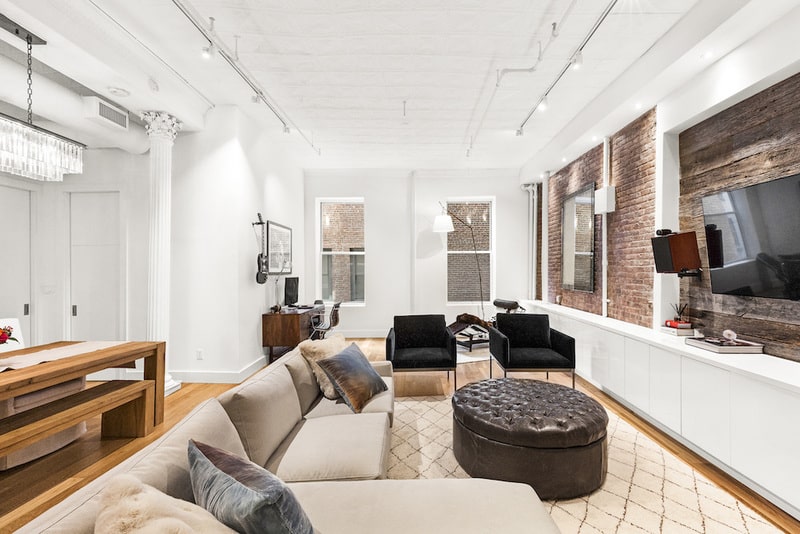
Pillars uphold the long-standing design of NYC pre-war apartments in more ways than one. As you can see in the living room from this SoHo pre-war loft we renovated, the pillar’s architectural significance goes beyond aesthetics, playing a vital role in elevating interior design and emboldening the space with a sense of sophistication. View the full pre-war renovation before and after from 477 Broome St.

Out Of Reach Ceilings
High ceilings stand as a hallmark of pre-war apartments, creating an unparalleled sense of grandeur. This visual space amplifier opens up possibilities for vertical design elements like elegant chandeliers and larger-than-life mirrors, as seen above in the living room from our pre-war gut renovation at 50 W 96th. View the full pre-war renovation before and after.
Built-In Bookcases
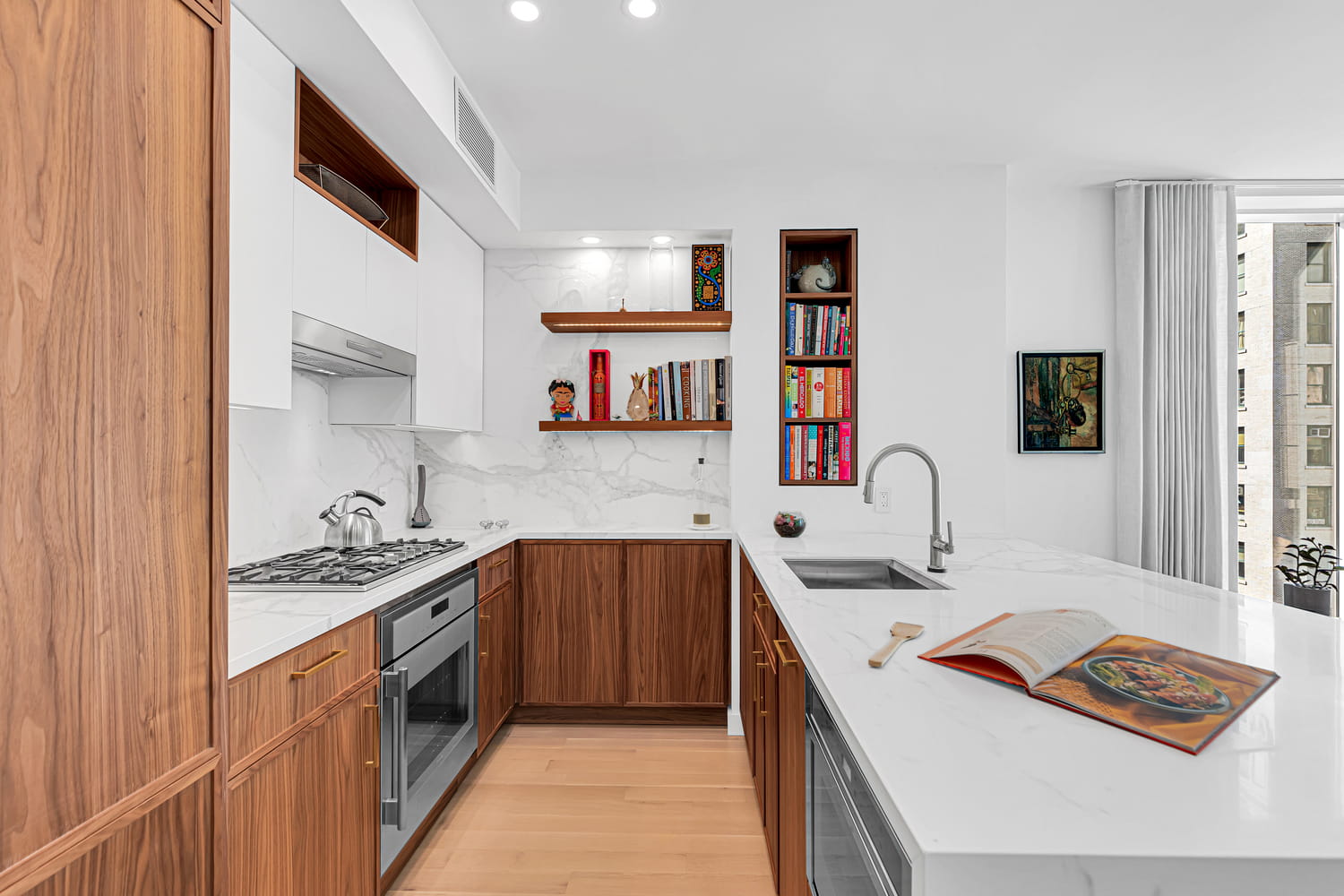
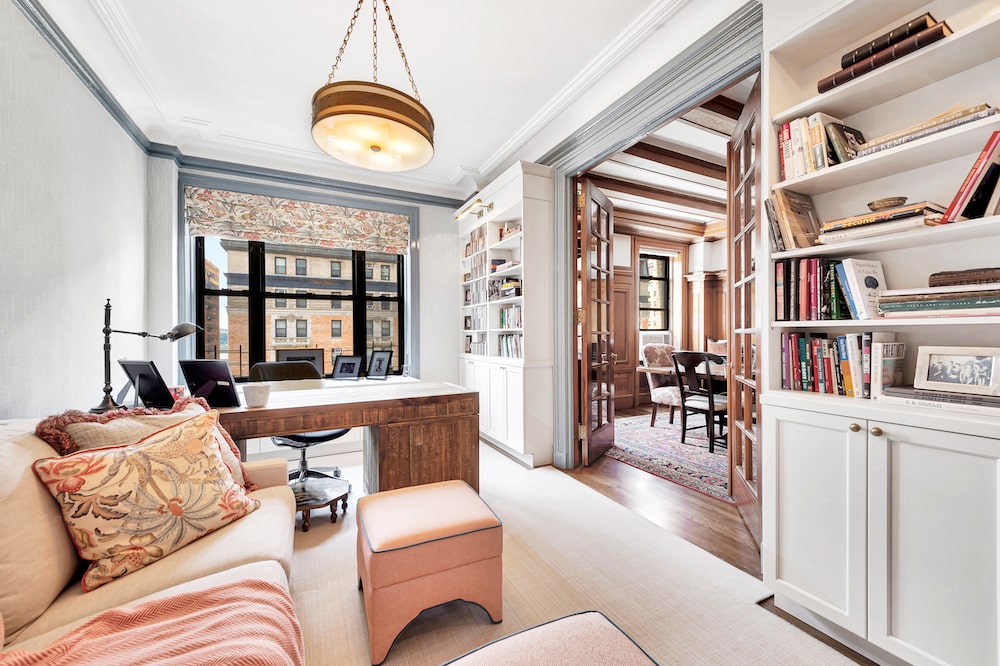
Built-in bookcases merge form and function, offering a canvas for personal exposition and colorful aesthetic character. See how the book-end built-ins above from our pre-war renovation at 255 W 108th create visually-appealing storage and formalize the home office setting.
Everlasting Fireplaces
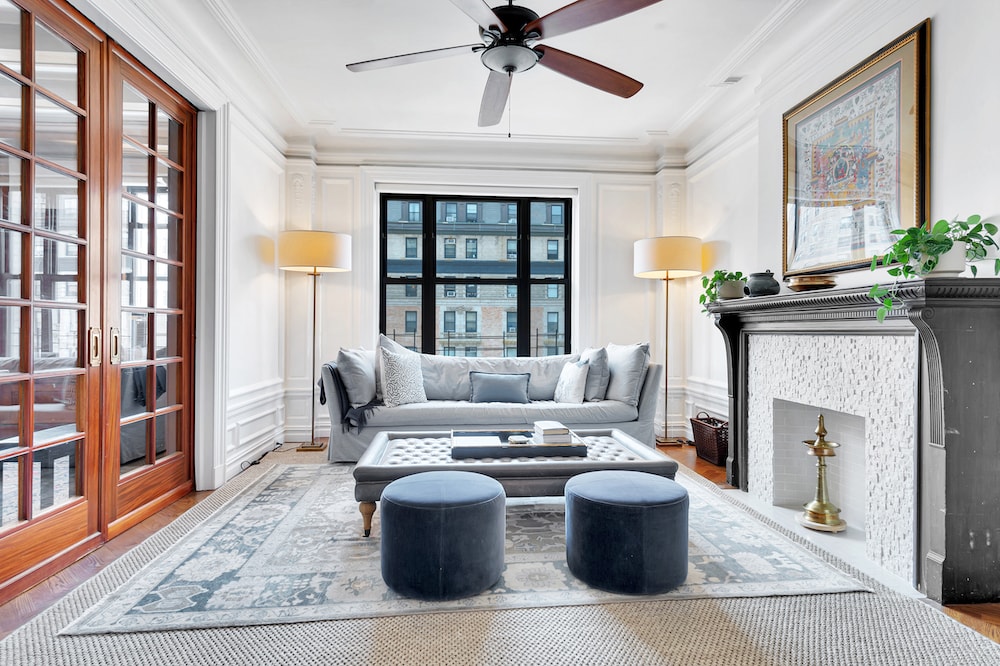
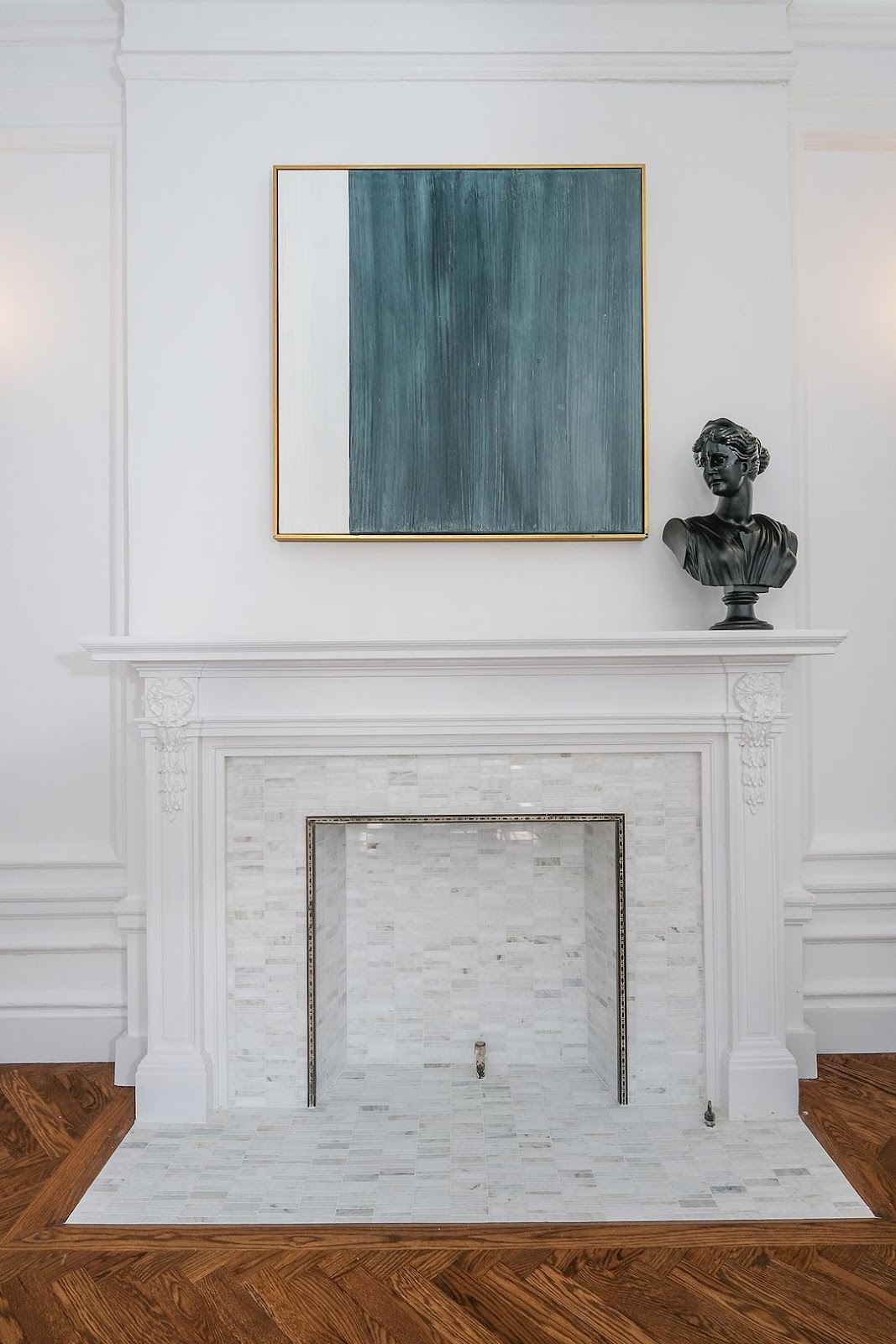
Fireplaces, whether functional or decorative, exemplify warmth and timeless appeal. Incorporating them into the design, as seen above in our pre-war renovation project on the UWS at 801 West End, provides an upscale appeal that captures the essence of the pre-war’s architectural charm. View the full pre-war renovation before and after.

Distinct Door And Window Designs
Like crown moulding, the intricate designs of original doors and windows echo an era when every detail was crafted with immaculate detail. By restoring the original window moldings and wood casings of this Brooklyn brownstone above, as well as renovating and repurposing the original built-in arches into a nook with extra storage, we were able to highlight the fusion of modernity and tradition. View the full BK brownstone renovation before and after.
Feature Inventory
Pre-War Apartment Details And How To Handle Them
| Pre-War Feature | Recommended Approach | Typical Condition Issues | Notes For Renovation Planning |
|---|---|---|---|
| Crown Moulding | Restore | Layered paint buildup, hairline cracks at joints, sections damaged by past electrical or HVAC work. | Strip carefully, repair with matching plaster or composite, repaint in a satin finish. Replacement requires custom millwork to match original profiles. |
| Hardwood Floors | Restore | Surface wear, water damage at thresholds, missing boards from past plumbing rework. | Sand and refinish wherever possible. Parquet and herringbone patterns are nearly impossible to replicate at full scale, so preservation pays back. |
| High Ceilings | Enhance | Original ornamental plaster may be hidden under suspended ceilings added in later decades. | Investigate above any dropped ceilings during demo. Reclaiming ceiling height typically requires HVAC rerouting and lighting redesign but transforms the space. |
| Built-In Bookcases | Conditional | Sagging shelves, painted-shut doors, water damage on lower units from past leaks. | Restore when craftsmanship is original to the apartment. Reproduce with custom millwork when built-ins were added later or do not match the home's architectural era. |
| Fireplaces | Conditional | Decommissioned flues, cracked mantles, surrounds painted over with multiple layers, missing original tile. | Most pre-war fireplaces in NYC co-ops are decorative only. Restore the surround and mantle; convert to electric or ethanol insert if functional fire is desired. |
| Pillars & Columns | Restore | Hidden behind drywall enclosures, structural condition often unverified, original capitals may have been removed. | Expose during demo if structurally sound. Reproducing classical capitals requires custom millwork; finishing in matte plaster or limewash anchors the room. |
| Original Doors & Hardware | Restore | Layered paint hiding original wood, missing mortise locks, sagging hinges, frames out of plumb from building settlement. | Strip, repair, and rehang on new hardware that matches the original era. Replacement solid-core doors with matching profiles work where originals are beyond repair. |
| Windows & Casings | Replace | Original single-pane sashes lose significant energy; landmark restrictions may dictate replacement style. | Replace sashes with energy-efficient units that match the original profile. Preserve the wood casings, sills, and apron trim during the replacement. |
Source: Gallery KBNY pre-war apartment renovation project data, Manhattan and Brooklyn (2026). Approach recommendations assume the feature is original to the apartment's era and structurally sound; landmark or co-op board restrictions may modify the available options.
[#Preserving]Preserving And Restoring Pre-War Details During Renovation[#Preserving]
Identifying and documenting quintessential pre-war features before embarking on a renovation journey is vital to making sure you’re not superseding the home’s long-standing design narrative.
Restoration vs. Replacement: Where’s The Line?
In the realm of pre-war renovation, the call to restore or replace echoes loudly. Whenever possible, opt for restoration to breathe new life into existing features. Preserving and repairing original elements like wooden paneling, ornate door frames, and intricate hardware not only upholds the apartment's character but also contributes to the continuity of its history.
Harmonizing Timely and Traditional
Integrating modern comforts and technologies doesn't have to clash with pre-war detail. Strategic planning can artfully harmonize old and new, such as concealing modern HVAC systems within antique cabinets or discreetly wiring period-style light fixtures for contemporary energy efficiency. This fusion respects the past while enhancing the apartment's livability.
Considering a Renovation in NYC?
Click to schedule a consultation with one of the principle partners at Gallery, who will hear out your renovation plans and let you know the best way to proceed - whether we end up working together or not.
Schedule Your Consultation
Technology With A Subtle Touch: Smart Integration
Modern technologies can seamlessly blend into pre-war spaces. Think smart thermostats that regulate climate while respecting historical aesthetics, or hidden wiring for audiovisual systems that minimize visual disruption. By embracing technology with a light touch, you enhance comfort without overpowering the original charm. For more information, read Renovations & Technology: 10 Smart Home Remodeling Ideas.
Partnering With Expertise
Pre-war renovations require a delicate touch. To ensure your pre-war renovation gets the proper priority, engaging a full-service design-build firm in New York City with pre-war experience provides a bridge between eras, as they understand the essence of pre-war details and possess the modern know-how to retain the allure of these historic homes in the context of today’s modern framework. Their all-inclusive approach includes architectural services, interior design and construction management, plus the filing of all permits and navigation of approvals, delivering a comprehensive and seamless approach to renovations that manages the fine line between everlasting integrity and modern functionality for your pre-war home.
Figure 02 / Integration Strategy
Integrating Modern Systems Into Pre-War Architecture
Source: Gallery KBNY pre-war integration framework, Manhattan and Brooklyn renovations (2026).
[#Interior]Interior Design Tips To Accentuate Pre-War Charm[#Interior]
Breathing life into the pre-war charm of your NYC apartment requires a mindful approach that honors its heritage while embracing modern comforts. Consider these mindful ways to accentuate your pre-war apartment’s past.
Paint With Purpose
Choosing paint colors that complement pre-war architectural details is a fundamental step in properly renovating a pre-war apartment in NYC. Opt for shades that enhance crown moulding, accentuate archways, or emphasize unique door frames. Neutral tones, soft pastels, and deep earthy hues often harmonize well with vintage elements, allowing these features to take center stage.
Nod To Nostalgia With Period Pieces
When selecting furniture, consider styles that resonate with the era of your pre-war apartment. Incorporating period-appropriate pieces can effortlessly accentuate the charm of the space. Look for furniture with intricate woodwork, elegant upholstery, and timeless silhouettes that blend seamlessly with the apartment's historical aesthetic.
Illuminate Architectural Elements
Strategic lighting placement can enhance the drama of pre-war architectural features. Use wall sconces to draw attention to intricate molding or spotlight decorative fireplaces. Pendant lights with warm, soft lighting can create a cozy ambiance, highlighting the apartment's unique nooks and crannies.
Textures That Transcend Time
Textures play a pivotal role in enhancing pre-war allure. Incorporate rich fabrics, plush rugs, and tactile elements that add depth and warmth to the space. Mixing materials such as polished wood, marble, and metals can forge a connection between the past and present.
Curate Artful Arrangements
Curate displays of art, vintage photographs, and decorative objects that resonate with the apartment's historical context. These arrangements not only pay homage to the past but also infuse personal touches, weaving narratives that enrich the space.
The Subtle Statement Of Accessories
Accessories act as delicate connectors between eras. Incorporate decorative items like ornate mirrors, vintage-inspired tableware, or classic vases that underscore the apartment's timeless charm.
Figure 03 / Design Direction
Pre-War Feature Accent Pairings By Room Type
| Architectural Feature | Recommended Paint Family | Material & Lighting Pairings | Accent Notes |
|---|---|---|---|
| Crown Moulding & Plaster Ceilings |
Warm Neutrals / Soft Bone
|
Brushed brass picture lights, fabric-shade wall sconces, indirect cove lighting along the perimeter. | Paint moulding the same color as walls in a higher sheen to highlight depth without breaking the room visually. |
| Hardwood & Parquet Floors |
Cream To Walnut Spectrum
|
Wool or natural-fiber area rugs, layered runners in corridors, warm-toned floor lamps grazing the wood surface. | Avoid stark cool whites on adjacent walls; the contrast flattens the floor's natural undertone. Soft warm whites amplify it. |
| Original Fireplaces & Mantels |
Deep Slate & Charcoal Anchors
|
Aged brass screen and tools, vintage mirror or framed art above the mantel, dimmable picture lights flanking the surround. | Lean into contrast around fireplaces. A darker surround against lighter walls makes the feature read as the room's anchor. |
| Built-In Bookcases & Millwork |
Forest & Library Greens
|
Library lighting in the form of slim LED strips above each shelf, leather-bound accents, ceramic and stone objects mixed with books. | Painting the interior back panel a darker tone than the case face adds depth and makes shelved objects read clearly. |
| High Ceilings & Tall Walls |
Vertical Tonal Gradient
|
Statement chandeliers or sculptural pendants centered in the room, full-height drapery puddled at the floor, oversized framed art. | Resist the urge to fill vertical space with multiple small elements. One commanding fixture or composition uses the height better. |
| Original Doors & Hardware |
Muted Slate & Heritage Blues
|
Unlacquered brass knobs and hinges that develop a patina, fabric panels behind glass on interior doors when applicable. | Paint doors a richer or moodier tone than the surrounding walls. The contrast frames the original craftsmanship without competing. |
Source: Gallery KBNY pre-war design framework, Manhattan and Brooklyn renovations (2026). Palettes shown are directional; specific paint and material selections should reflect the apartment's natural light, era, and existing finishes.

[#Making]Making the Most of Your Pre-War Apartment[#Making]
Identifying, preserving, and accentuating pre-war details during an NYC apartment renovation is crucial to honor your home’s architectural heritage and retain the unique character of these historic spaces. By seamlessly integrating modern amenities while highlighting original features, homeowners create a comforting blend of the past and present, resulting in a state of the art living space that exudes both timeless charm and contemporary comfort.
Looking to renovate a pre-war apartment, condo or townhome in NYC? View our portfolio of NYC pre-war apartment renovation before and afters, learn more about Gallery, or contact us today. We are a New York Times-featured design-build firm in New York City with a full-service approach to renovations in Manhattan and Brooklyn that includes everything from interior design and architecture services to filing permits and construction management. We’re experts in pre-war apartment renovations, apartment combinations, room creations, full gut renovations and all that falls in between. Let us bring your dream home to life.
Gallery KBNY is a full-service design-build firm featured in The New York Times, specializing in the architecture, interior design, and renovation of apartments, co-ops, condominiums, townhomes, and lofts across Manhattan and Brooklyn. Our integrated team of architects, designers, contractors, and project managers manages every phase from board approvals and DOB permitting through design and construction. A founding partner is involved in every project, start to finish. Because architecture, design, permitting, and construction are coordinated under one roof, the process remains streamlined, accountable, and transparent from start to finish. Our work has also appeared in Forbes, Architectural Digest, and Inc., and is backed by 100+ five-star client reviews.
[#FAQ]Frequently Asked Questions About Pre-War Renovations In NYC[#FAQ]
What architectural details define a pre-war NYC apartment?
Pre-war apartments carry a recognizable set of period features: crown moulding that frames each room, hardwood floors laid in parquet or herringbone patterns, ceiling heights that exceed anything in modern construction, archways between rooms, built-in bookcases, working or decorative fireplaces, decorative pillars, and original doors and windows with detailed casings. Each element reflects an era of meticulous craftsmanship, and together they establish the home's design narrative. Cataloguing which of these are original and sound before a renovation begins is the step that determines what to preserve, what to restore, and where modern updates can be introduced without diminishing the apartment's heritage.
When should a pre-war detail be restored rather than replaced?
Restoration is the default whenever the original element can be saved. Wooden paneling, ornate door frames, crown moulding, and period hardware carry the apartment's history, and repairing them maintains both character and continuity in a way a reproduction rarely matches. Replacement becomes the right call when a feature is structurally unsound, unsafe, or too deteriorated to restore, and in those cases matching the original profile, species, and detailing keeps the room coherent. Landmark status or a co-op board's requirements can also shape the decision, since some buildings expect original detailing to be preserved. Documenting each feature's condition early is what makes the restore-or-replace call deliberate rather than reactive.
How do you integrate modern systems into a pre-war apartment without compromising its character?
The objective is to add contemporary comfort while keeping the period detail intact, which calls for concealment and careful routing rather than visible hardware. Modern HVAC can be hidden within custom millwork or period-appropriate cabinetry, ductwork can be routed to preserve ceiling height, and wiring for lighting and audiovisual systems can be run out of sight so the original surfaces read cleanly. Smart thermostats and period-style fixtures wired for current efficiency deliver modern function without announcing themselves. In pre-war buildings this integration also has to respect co-op and, where applicable, LPC constraints, so the mechanical plan is developed alongside the design rather than forced in afterward.
Do landmark or co-op rules affect what I can change in a pre-war apartment?
They often do, and the extent depends on the building. Individually landmarked buildings and those within historic districts fall under Landmarks Preservation Commission review for exterior changes and, in some cases, interior elements, which adds an approval track and a preservation standard on top of the DOB process. Co-op boards apply their own discretion over scope, timing, and contractor requirements, and many expect original detailing to be retained rather than removed. Understanding both layers before design is finalized is what keeps a pre-war project from stalling at approval, since the plan can be shaped to the building's expectations from the outset.
How can interior design accentuate pre-war features rather than work against them?
The most effective approach lets the architecture lead and uses the design to frame it. Paint chosen to enhance crown moulding and archways, period-appropriate furniture with intricate woodwork and timeless silhouettes, and lighting placed to highlight molding, fireplaces, and nooks all direct attention to the original detail. Textures such as polished wood, marble, and metal connect the historic elements to a contemporary layer, and curated art and accessories add a personal narrative without competing with the architecture. Design that supports the period features, rather than overwriting them, is what makes a pre-war apartment feel both authentic and current.
What paint and color choices best complement pre-war architectural details?
Color is one of the most direct ways to bring pre-war detail forward. Neutral tones, soft pastels, and deep earthy hues tend to harmonize with vintage elements and let crown moulding, archways, and original door frames take center stage rather than disappear into the wall. The right palette depends on the apartment's natural light, its era, and the existing finishes, so selections are best made against the actual room rather than a swatch alone. Using paint to frame the architecture, with contrast where a detail deserves emphasis, is what turns a period feature into a focal point.
How are original hardwood floors like parquet or herringbone handled in a renovation?
Original parquet and herringbone floors are among the most valued pre-war features, and the first step is assessing whether the existing wood can be refinished rather than replaced. Sound flooring can often be repaired and refinished to restore its depth and character, which preserves the pattern and the aged material that a new floor cannot replicate. Where sections are damaged beyond repair, matching the species, cut, and pattern keeps the floor reading as original. Because older floors frequently sit over settled joists, the condition of the subfloor and any leveling work belong in the plan before finishes are set, so the restored floor performs as well as it looks.
Why does a pre-war renovation call for a firm with specific pre-war experience?
Pre-war work sits on a fine line between preserving original integrity and delivering modern function, and getting it right depends on craft and process that general renovation experience does not guarantee. Restoring plaster, moulding, and original hardware requires specialized skill, integrating HVAC and wiring without disturbing period detail requires deliberate planning, and navigating co-op board and LPC requirements requires familiarity with how those approvals work. A full-service design-build firm with pre-war depth carries architecture, interior design, construction, and permitting together, which is what allows the historic detail to be protected while the home is brought up to contemporary standards.
Manhattan Design-Build
Evaluate Your Manhattan Apartment
Before You Buy
Buying an apartment you plan to renovate? A founding partner walks it with you during the contract period and maps the scope, cost, and timeline, so you know exactly what you're taking on before you sign.
As seen in
Pre-Purchase Assessment
Walk the apartment with us first and understand the full scope, cost, and timeline before you close.
or call us directly
let’s
Design-Build
together