.avif)


.png)
.png)


Brick Restoration During Apartment Renovations In NYC: What’s Possible & What’s Not
Thinking about restoring brick walls in your NYC home? Here’s what’s realistic, what’s not, and design-forward alternatives to consider.
May 12, 2026
|
.avif)
Brick Restoration During Apartment Renovations In NYC: What’s Possible & What’s Not
In New York renovations, exposed brick is a dream feature, yet restoration comes with limits every homeowner should know upfront.
TABLE OF CONTENTS
- The Realities of Brick Restoration
- What’s Possible With Brick Restoration
- What’s Not Always Possible
- Alternatives To Brick Restoration
- Building The Right Expectations
- FAQs About Brick Restoration During Full Home Renovations In NYC
Exposed brick is one of the most desirable design features in New York City apartments. The weathered, throwback look adds character, warmth, and a stylish sense of history to your home. But, oftentimes, that brick is in rough shape and we find clients asking for restoration. In reality, the answer depends on many factors, and sometimes, restoring exposed brickwork isn’t realistic at all.
[#1]The Realities of Brick Restoration[#1]
Before costs or design decisions come into play, the first step is evaluating the condition of the existing brick. Old brick can be discolored, crumbling, or structurally compromised. Once work begins, there’s often no turning back, which is why these conversations need to happen at the very start of a renovation.
In a NYC co-op or condo, the conversation has a second layer: building approval. Exposing brick on a party wall, opening a previously plastered wall, or modifying any wall in a pre-1987 building all require alteration agreement review, and most trigger an ACP-5 asbestos filing before the DOB will issue a permit. Restoration is as much a regulatory question as a design one, which is why getting the assessment right at the start of the renovation matters.
Condition Assessment
How to Tell What Condition Your Brick Wall Is In
Before deciding on restoration, paint, or cover-up, the wall has to be assessed. Below, the three condition tiers our designers use during site visits and what each one realistically allows.
| Condition | What You Will See | What Is Realistic |
|---|---|---|
| Cosmetic Only | Surface dirt, dull color, paint residue, minor mortar gaps. Bricks are solid and intact when tapped. No crumbling. | Light cleaning, refinishing, or lime-washing. Full restoration is possible. Wall can stay exposed. |
| Structural Wear | Mortar joints are receding, cracked, or visibly missing. Some brick faces may be chipped or hollow-sounding. Powdery residue at the base. | Brick pointing is required before anything else. After pointing, exposed finish is possible. Painting is an alternative if appearance is uneven. |
| Compromised or Unsafe | Bricks are loose, crumbling, or pushing out of plane. Significant moisture damage, efflorescence (white salt staining), or visible cracks across multiple courses. | Restoration is rarely viable. Drywall cover-up with proper insulation and moisture barrier is usually the only safe option. A structural review may be required. |
Assessment categories based on Gallery KBNY site evaluations across Manhattan and Brooklyn pre-war apartments, brownstones, and converted lofts. A licensed contractor or architect should confirm condition before any restoration decision.

[#2]What’s Possible With Brick Restoration[#2]
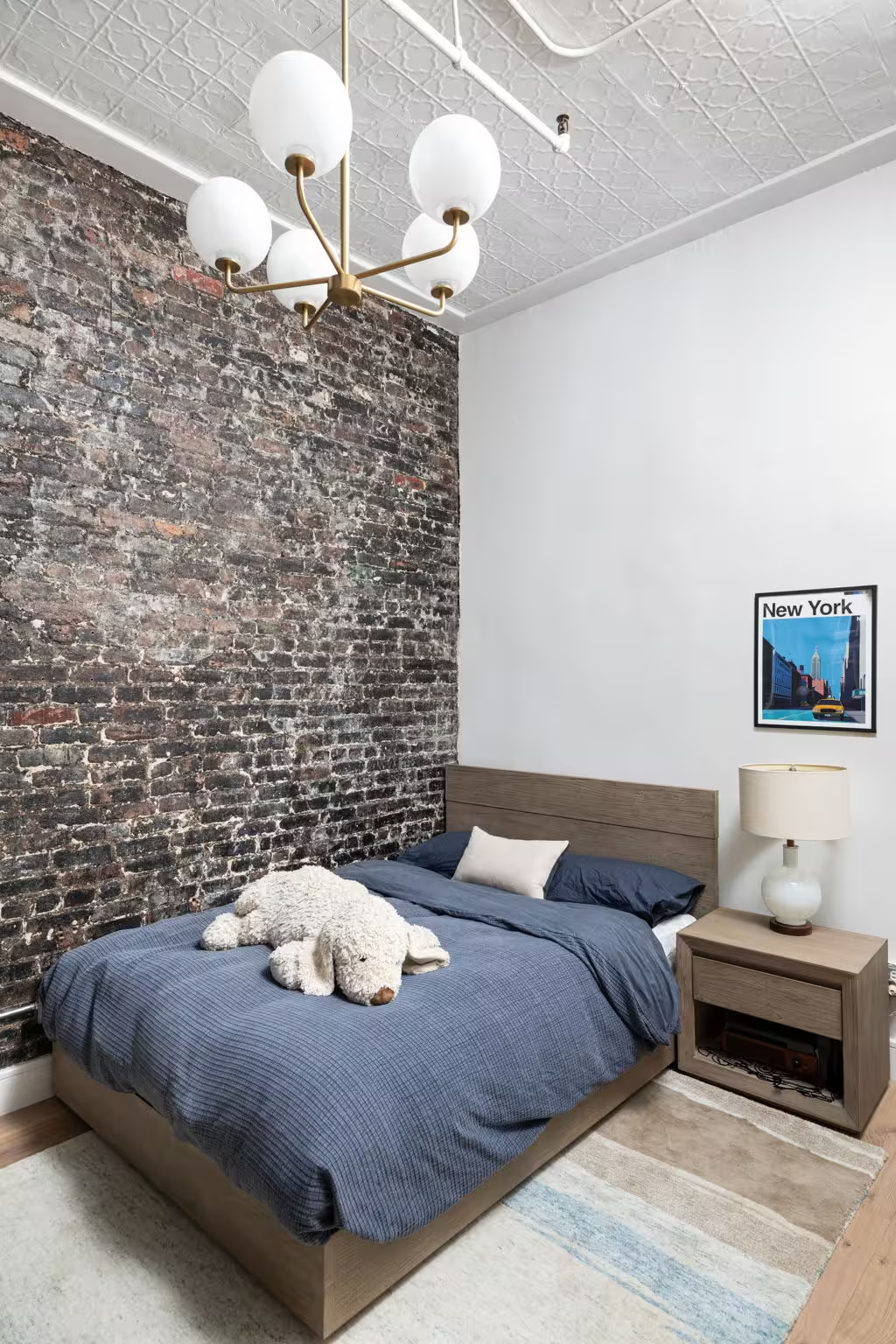
Depending on the wall’s condition, there are a few restoration methods that can strengthen brick and improve appearance:
Brick Pointing
One of the most common restoration methods is brick pointing, which involves grinding out the old mortar between bricks and replacing with new mortar. Done properly, this process strengthens the wall, improves aesthetics, and prevents further disintegration. Pointing typically runs $15 to $40 per square foot in NYC depending on access, wall height, and the condition of the existing mortar. While the relatively nuanced process can’t fix every cosmetic issue, the update provides a solid foundation for long-term durability.
Light Cleaning & Refinishing
If the brick is structurally sound but looks dull, sometimes light cleaning or refinishing can bring back that original character. Keep in mind, however, that not every discoloration can be eliminated, especially with older walls. This is more of a take what you can get option, which is often more than sufficient.
[#3]What’s Not Always Possible[#3]
Even with the best techniques, brick restoration has limits, meaning some expectations simply aren’t realistic. Let’s review a few common challenges where brick restoration may fall short.
Perfect Color Restoration
Clients often expect restored brick to look uniform and new. The reality is that natural discoloration can’t always be corrected. Some sections may remain darker or lighter depending on exposure and age. Think of it like restoring an antique, you can preserve beauty and integrity, but some marks of age will always remain. That’s part of the charm.
Repairing Severely Damaged Brick
When brick is heavily deteriorated, restoration may not be an option during your renovation. In these instances, our designers will propose realistic alternatives rather than attempt the impossible. In these cases, trying to restore may only create more issues.
[#4]Alternatives To Brick Restoration[#4]
When brick can’t be brought back to life, there are design-forward alternatives:
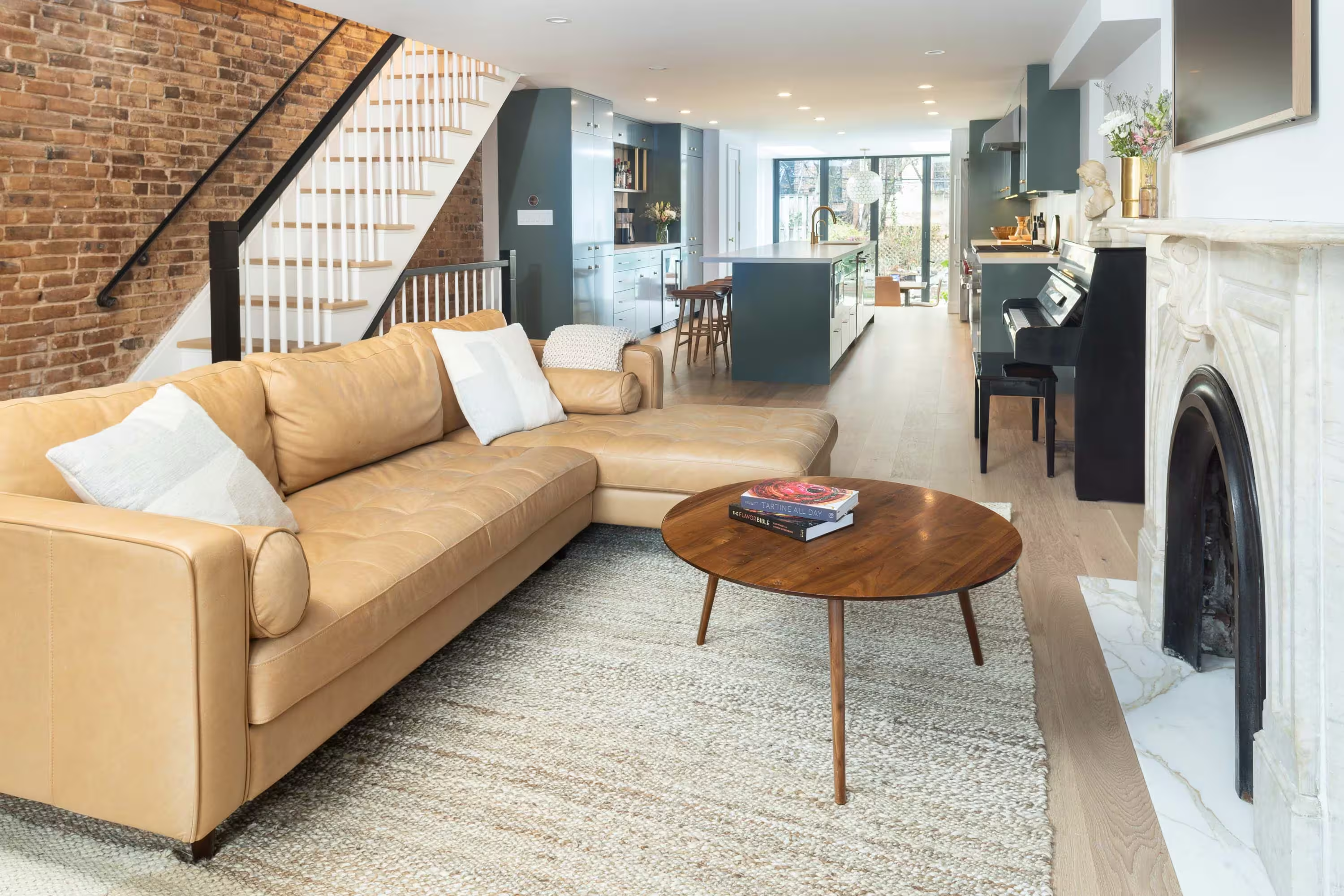
Painting Brick
When brick is too damaged or discolored to restore, painting is often the most straightforward solution. A solid coat can visually even out the surface, hide imperfections, and give the wall a clean, contemporary look. However, there are tradeoffs. Once brick is painted, reversing the look to original form is nearly impossible. That said, painting brick walls is optimal for clients who want a crisp, modern finish rather than exposed character.
Lime-Washing
For those who want to maintain the texture of brick while softening any inconsistencies, lime-washing is an excellent option. Unlike paint, lime-wash penetrates the brick and creates a breathable, matte finish with natural texture. The result is a rustic, lived-in look that highlights the wall’s age while downplaying any discoloration. Over time, lime-wash patinas beautifully, making this option ideal for clients who appreciate a more organic look.
Avoid Brick-Facing
Some homeowners consider adding a thin brick veneer (or “brick-facing”) over damaged walls. While the add-on option may seem like an affordable fix, the result often feels flat, especially when compared to original brick. Over time, these inauthentic add-ons can also create new issues with moisture or adhesion. For clients seeking authenticity, alternatives like paint or lime-wash are more honest solutions that honor the existing structure rather than covering up.
Cover Up With Drywall
In corner property townhomes, or lofts, where the brick wall is an exterior wall, in those instances one thing that should also be considered beyond aesthetics is energy efficiency. If it is an exterior wall, especially in a unit with tall ceilings or large windows, covering up may be the better choice for energy performance. Exposed exterior brick has minimal insulating value, which means meaningful heat loss in winter and harder-working AC in summer. Beyond, consider impact on infestation and reducing any little critters from coming in. When properly sealed, closing the wall up can prevent this issue, especially in framed properties.
Methods Compared
Brick Restoration & Alternatives at a Glance
Every approach to an exposed brick wall has tradeoffs in cost, reversibility, durability, and look. Below, the six options our designers evaluate during NYC apartment renovations.
| Method | Typical Cost | Reversible? | Durability | Best For |
|---|---|---|---|---|
| Brick Pointing | $15–$40 per sq ft | No (structural) | 50+ years | Sound brick with deteriorated mortar; foundation for any exposed finish |
| Light Cleaning & Refinishing | $8–$20 per sq ft | Yes | 10–20 years | Structurally sound walls with surface dirt or dull color |
| Lime-Washing | $5–$15 per sq ft | Partially (patinas naturally) | 20+ years (deepens with age) | Maintaining brick texture while softening color inconsistency; organic, lived-in look |
| Painting | $4–$12 per sq ft | No (very difficult) | 10–15 years between repaints | Heavily discolored brick; clients wanting modern, uniform finish |
| Brick Veneer / Brick-Facing | $15–$35 per sq ft | No (adhered to substrate) | Variable; adhesion issues common | Generally not recommended; flat appearance and moisture risk in NYC apartments |
| Drywall Cover-Up | $12–$30 per sq ft | Yes (can be removed later) | 30+ years | Compromised brick, exterior walls with energy loss concerns, infestation prevention |
Cost ranges are 2026 NYC market estimates and vary by wall size, access, building rules, and brick condition. Source: Gallery KBNY project data across Manhattan and Brooklyn apartment, brownstone, and loft renovations.
[#5]Building The Right Expectations[#5]
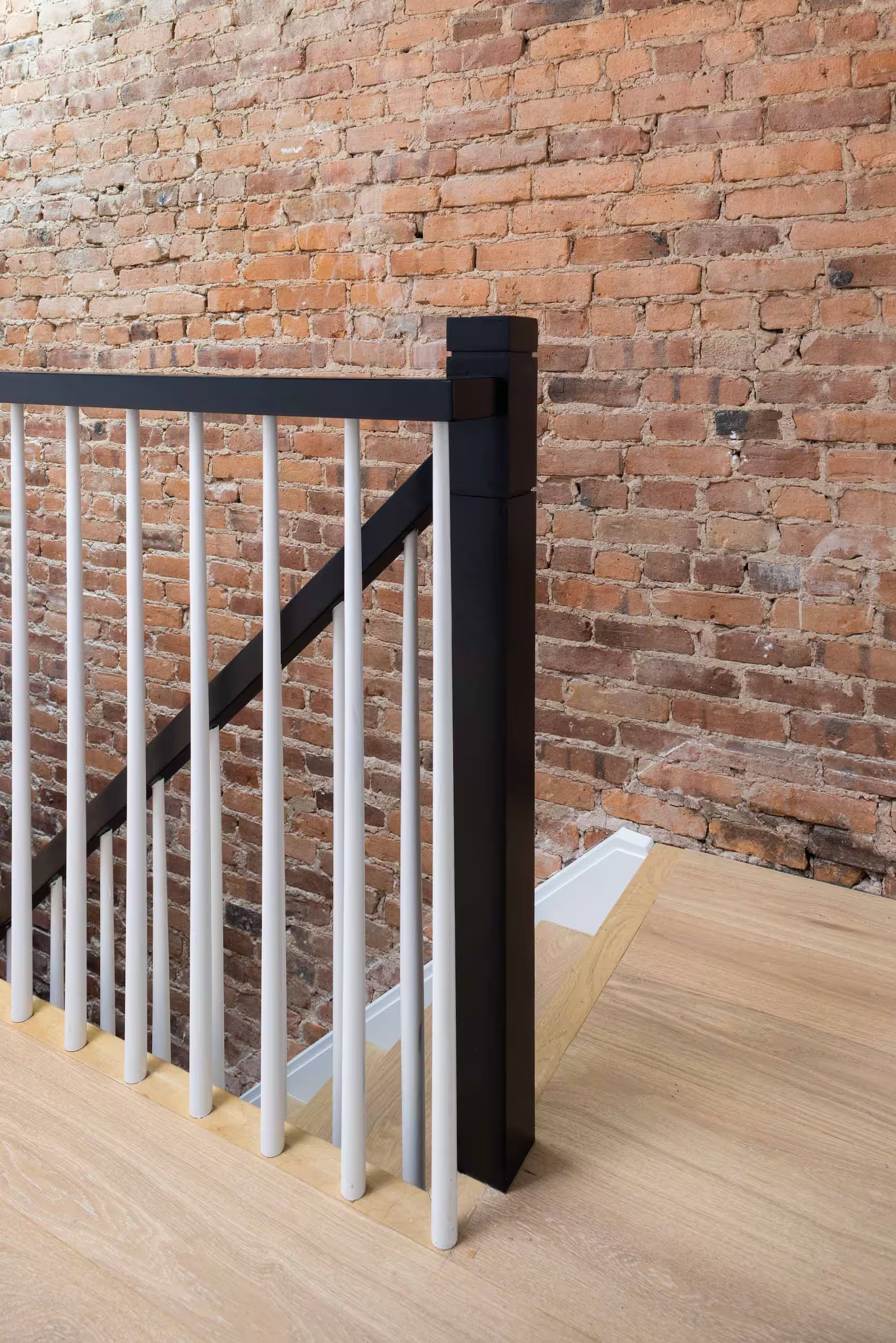
Exposed brick adds character in any NYC home, but not every wall is a candidate for full restoration. What looks ideal in theory often comes with complexity, cost, and trade-offs that need to be considered up front. Homeowners may love the idea of pristine original brick, but the reality is more nuanced.
That’s where a full-service design-build firm like Gallery adds value. By having all parties involved in your renovation under one roof, our designers and builders can evaluate existing conditions in tandem, explaining what’s realistic, and proposing solutions that balance structure, aesthetics, and budget. Whether the solution is restoration, painting, or lime-washing, we help celebrate the character of brick while finding a finish that makes the most of your space.
NYC-Specific Considerations
Brick by Building Type: What NYC Owners Should Know
Brick in a converted Tribeca loft is structurally and regulatorily different from brick in a pre-war Upper East Side co-op. Below, what changes by building type, including the approval requirements most posts skip.
Based on Gallery KBNY project experience across Manhattan and Brooklyn. Building rules, board policies, and landmark designations vary significantly; always confirm with your managing agent and architect before scoping brick work.
Considering an extensive apartment renovation in New York City that requires interior design support? Learn how a fully integrated design-build firm like Gallery KBNY streamlines the entire process, from design planning to board approvals to final finishes. View our portfolio of NYC renovations, learn more about our end-to-end design-build process, or contact us to discover why our integrated approach is the smartest way to navigate any of the many challenging renovations NYC has to offer.
Gallery KBNY is a full-service design-build firm featured in The New York Times, specializing in the architecture, interior design, and renovation of apartments, co-ops, condominiums, townhomes, and lofts across Manhattan and Brooklyn. Our integrated team of architects, designers, contractors, and project managers manages every phase from board approvals and DOB permitting through design and construction. A founding partner is involved in every project, start to finish. Because architecture, design, permitting, and construction are coordinated under one roof, the process remains streamlined, accountable, and transparent from start to finish. Our work has also appeared in Forbes, Architectural Digest, and Inc., and is backed by 100+ five-star client reviews.
[#FAQ]Frequently Asked Questions About Brick Restoration During Full Home Renovations In NYC[#FAQ]
Can exposed brick always be restored in a NYC apartment?
Not always. The answer depends on the condition of the existing brick, which can be discolored, crumbling, or structurally compromised. Before any decision on restoration, paint, or cover-up, the wall has to be assessed, since once work begins there is often no turning back. That is why the conversation belongs at the very start of a renovation rather than mid-project. A licensed contractor or architect should confirm the condition, because the realistic options narrow considerably when a wall is deteriorated, and attempting to restore brick that is too far gone can create more problems than it solves.
What building approvals does brick work require in a co-op or condo?
Brick restoration in a co-op or condo carries a regulatory layer alongside the design one. Exposing brick on a party wall, opening a previously plastered wall, or modifying any wall in a pre-1987 building all require alteration agreement review, and most trigger an ACP-5 asbestos filing before the DOB will issue a permit. This means the feasibility of brick work is partly a question of what the building and the city will allow, alongside what the wall itself can support. Confirming the approval path with the managing agent and architect at the start is what keeps a brick project from stalling once it is underway.
What brick restoration methods actually work?
Two methods address most restorable walls. Brick pointing is the most common, grinding out the old mortar between the bricks and replacing it with new, which strengthens the wall, improves its appearance, and prevents further disintegration. Pointing typically runs $15 to $40 per square foot in NYC depending on access, wall height, and the condition of the existing mortar. Light cleaning or refinishing suits a wall that is structurally sound but looks dull, bringing back some of the original character. Neither method corrects every cosmetic issue, though both provide a foundation for long-term durability where the brick is in good enough shape to work with.
Why can't restored brick look uniform and new?
Natural discoloration in old brick cannot always be corrected, so a restored wall will rarely read as uniform. Some sections stay darker or lighter depending on their exposure and age, and those variations are a permanent characteristic of the material. The useful comparison is restoring an antique: the process can preserve the beauty and integrity of the piece, though certain marks of age will always remain, and much of the appeal lies in exactly that. Setting the expectation that restored brick keeps its patina rather than looking freshly manufactured is part of planning the project honestly.
What are the alternatives when brick cannot be restored?
When a wall is too damaged or discolored to restore, several design-forward alternatives keep it looking intentional. Painting applies a solid coat that evens out the surface and delivers a crisp, contemporary finish. Lime-washing penetrates the brick for a breathable, textured, matte look that retains character. Covering the wall with drywall is sometimes the right call, particularly on an exterior wall where energy performance matters. Thin brick veneer, sometimes called brick-facing, is generally worth avoiding. Choosing among these depends on the wall's condition, whether it is an interior or exterior wall, and the look the household wants.
What is the difference between painting and lime-washing brick?
The two finishes produce very different results. Painting lays a solid coat over the brick that evens out the surface, hides imperfections, and gives a clean, modern appearance, though once brick is painted, returning it to its original form is nearly impossible. Lime-washing penetrates the brick instead of coating it, creating a breathable, matte finish that keeps the natural texture while softening inconsistencies, and it patinas over time for a rustic, lived-in look. Painting suits a client who wants a crisp, contemporary wall, while lime-washing suits one who wants to preserve texture and age. The choice comes down to the finish and the degree of character each household prefers.
Why is thin brick veneer usually a poor choice?
Thin brick veneer, or brick-facing, is often considered as an affordable way to cover a damaged wall, though the result tends to disappoint. Applied over an existing wall, veneer frequently reads as flat compared with original brick, and over time it can introduce new problems with moisture or adhesion. For a client seeking authenticity, honest finishes such as paint or lime-wash tend to serve better, because they work with the existing structure rather than masking it with an add-on. When the goal is a wall that feels genuine, the veneer shortcut usually undercuts it.
When should exposed exterior brick be covered rather than left open?
On an exterior wall, energy performance can outweigh the appeal of exposed brick. In a corner townhome or a loft where the brick wall faces outside, especially a unit with tall ceilings or large windows, covering the wall may be the better choice, since exposed exterior brick has minimal insulating value and allows meaningful heat loss in winter and harder-working air conditioning in summer. Closing the wall also helps with infestation, sealing out the small intrusions that framed exterior walls are prone to. Where the wall is interior, exposure carries none of these penalties, so the decision turns on whether the brick is protecting the room from the outside.
Manhattan Design-Build
Evaluate Your Manhattan Apartment
Before You Buy
Buying an apartment you plan to renovate? A founding partner walks it with you during the contract period and maps the scope, cost, and timeline, so you know exactly what you're taking on before you sign.
As seen in
Pre-Purchase Assessment
Walk the apartment with us first and understand the full scope, cost, and timeline before you close.
or call us directly
let’s
Design-Build
together