.avif)


.png)
.png)


Best NYC Neighborhoods To Renovate in 2026
Today’s NYC real estate market favors buyers who renovate. With the right team, overlooked spaces become tailored homes that boost comfort and long-term value.
December 23, 2025
|
.avif)
Best NYC Neighborhoods To Renovate in 2026
Buying in NYC? See how fixer-uppers offer hidden value—and how a design-build like Gallery turns them into high-return homes.
TABLE OF CONTENTS
- Why Now Is An Ideal Time For Buyers Looking To Renovate In NYC
- Key Factors When Evaluating NYC Neighborhoods for Renovation
- Manhattan's Top Renovation Opportunities
- Brooklyn's Emerging Renovation Markets
- Market Trends And Investment Potential
- Working With The Right Team For Your NYC Renovation
- Frequently Asked Questions About Where To Renovate In NYC
Buying in NYC is never a small decision, whether the goal is an opportunistic investment or a more comfortable home for a growing family. The market has handed renovation-minded buyers a real opening. Slower sales and rising inventory, along with seller flexibility on price, mean a buyer who can look past surface flaws is positioned to do well. An apartment with dated finishes or an awkward layout often trades at a discount, and the renovation upside can more than make up the difference, building equity and livability that a turnkey listing rarely matches.
The skill is recognizing which properties hold that hidden potential, which is where the right partner earns its place.
Why Now Suits Buyers Who Plan To Renovate
The NYC market can feel intimidating, and a buyer ready to renovate is well positioned to capture what less flexible shoppers pass over. With careful planning and a capable team, a fixer-upper turns into a valuable, personal home or a smart investment. A few dynamics work in your favor right now.
Market Conditions Favor Buyers
Unsettled conditions are creating room to negotiate. Properties sit on the market longer and sellers are more open on price, which lets a buyer secure terms that fit the budget and direct savings toward upgrades that build long-term value.
Opportunities In Overlooked Properties
Most buyers chase turnkey listings, which leaves properties with potential sitting quietly underpriced. A buyer open to renovating can reimagine an awkward layout or dated finishes, plus the odd cosmetic blemish, into a home with far more character than a new build. The very features that dampen first impressions are often the ones that reward a thoughtful redesign.
The Advantage Of “Good Bones”
Not every apartment needs a full gut to be worth the effort. A property with solid structure and generous square footage, or real architectural character, gives you a strong foundation and lets the budget go toward design and finishes rather than heavy structural work. Pairing those qualities with a desirable neighborhood amplifies the upside, since a careful renovation lifts both comfort and resale.
Unlocking Hidden Value In NYC’s Aging Housing Stock
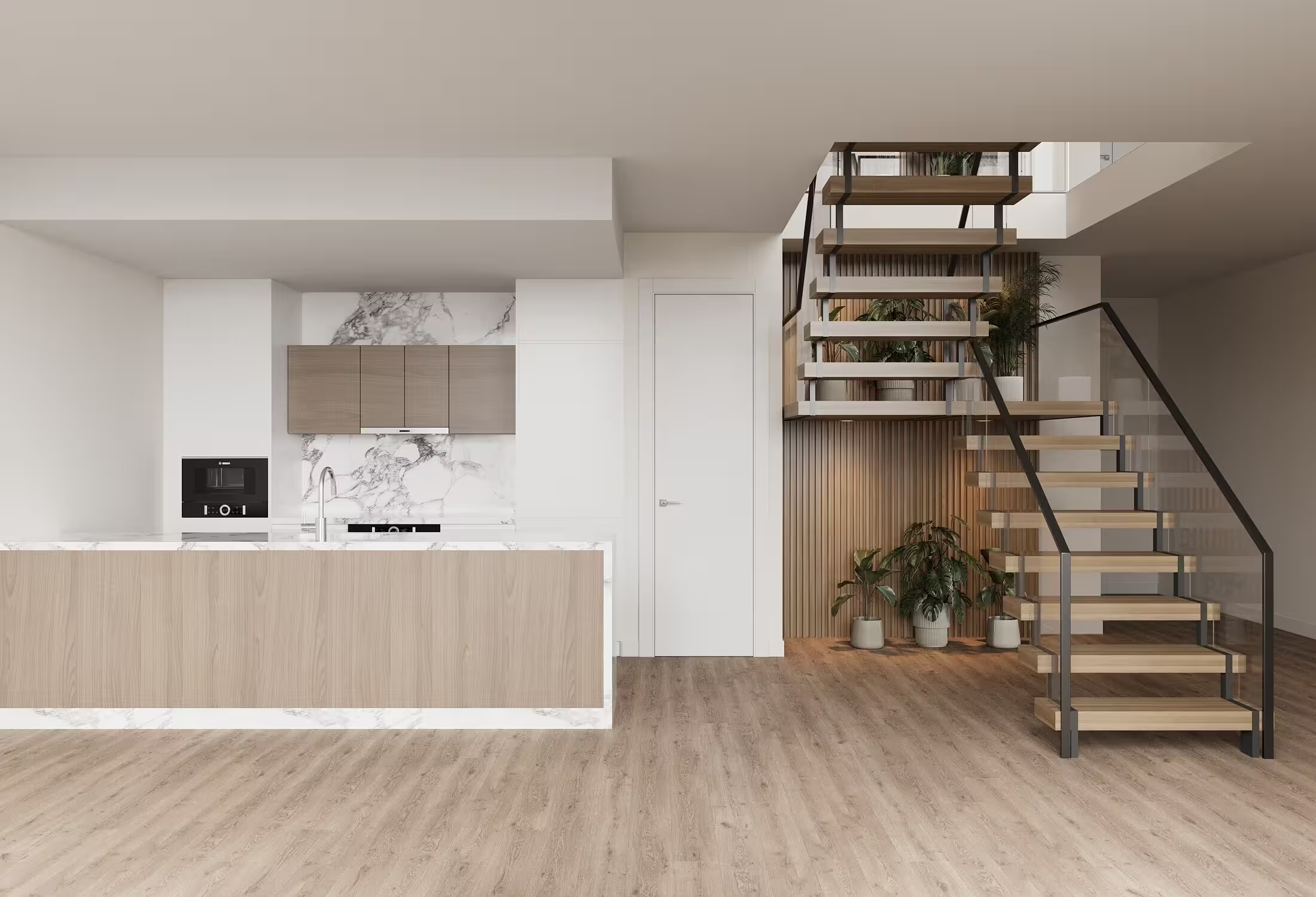
Old does not mean past its prime. The city's pre-war and older post-war buildings hold real upside in the right hands, where a renovation modernizes the kitchen, baths, layout, and systems while preserving the character. In an up-and-coming area, the same work also positions a buyer to ride rising values, which makes the project both a smart investment and a tailored home.
.avif)
Key Factors When Evaluating NYC Neighborhoods for Renovation
No two neighborhoods, or two buildings, offer the same renovation opportunity. Before signing, weigh the building type, the local regulations, and the condition of the systems.
Before You Buy To Renovate
How To Evaluate A NYC Fixer-Upper Before You Close
Two units in the same neighborhood can carry very different renovation realities. Check these four before the contract is firm.
Source: Gallery KBNY pre-purchase renovation assessments, NYC co-op, condo, and townhouse.
Building Types
Pre-war buildings bring high ceilings, expansive layouts, and period detail, with structural elements that can limit major changes. Post-war buildings and newer condos tend toward modern systems and standardized layouts, which simplify some updates while restricting large reconfigurations. Townhouses allow the most freedom to expand or alter a layout, though zoning and permitting run more complicated.
Zoning & Landmark Considerations
NYC is more regulated than most cities, and that holds especially in historic districts and landmarked buildings. Restrictions can reach exterior changes, window replacements, and even certain interior modifications. Properties outside landmarked areas still answer to zoning that can shape additions, mezzanines, and floor-plan adjustments.
Infrastructure And Systems
Older buildings may carry electrical, plumbing, or HVAC that needs upgrading before a renovation. Assessing these systems early keeps the vision feasible and the budget honest, with no unwelcome surprises mid-project.
Building Policies And Approvals
Co-ops and condos handle renovations very differently, with some requiring security deposits, a detailed board presentation, or strict contractor guidelines. At Gallery KBNY these requirements fold into a full-service approach. From the start, the team engages building management and includes a licensed NYC expeditor, so permit applications and documentation are prepared and submitted accurately.
Manhattan's Top Renovation Opportunities
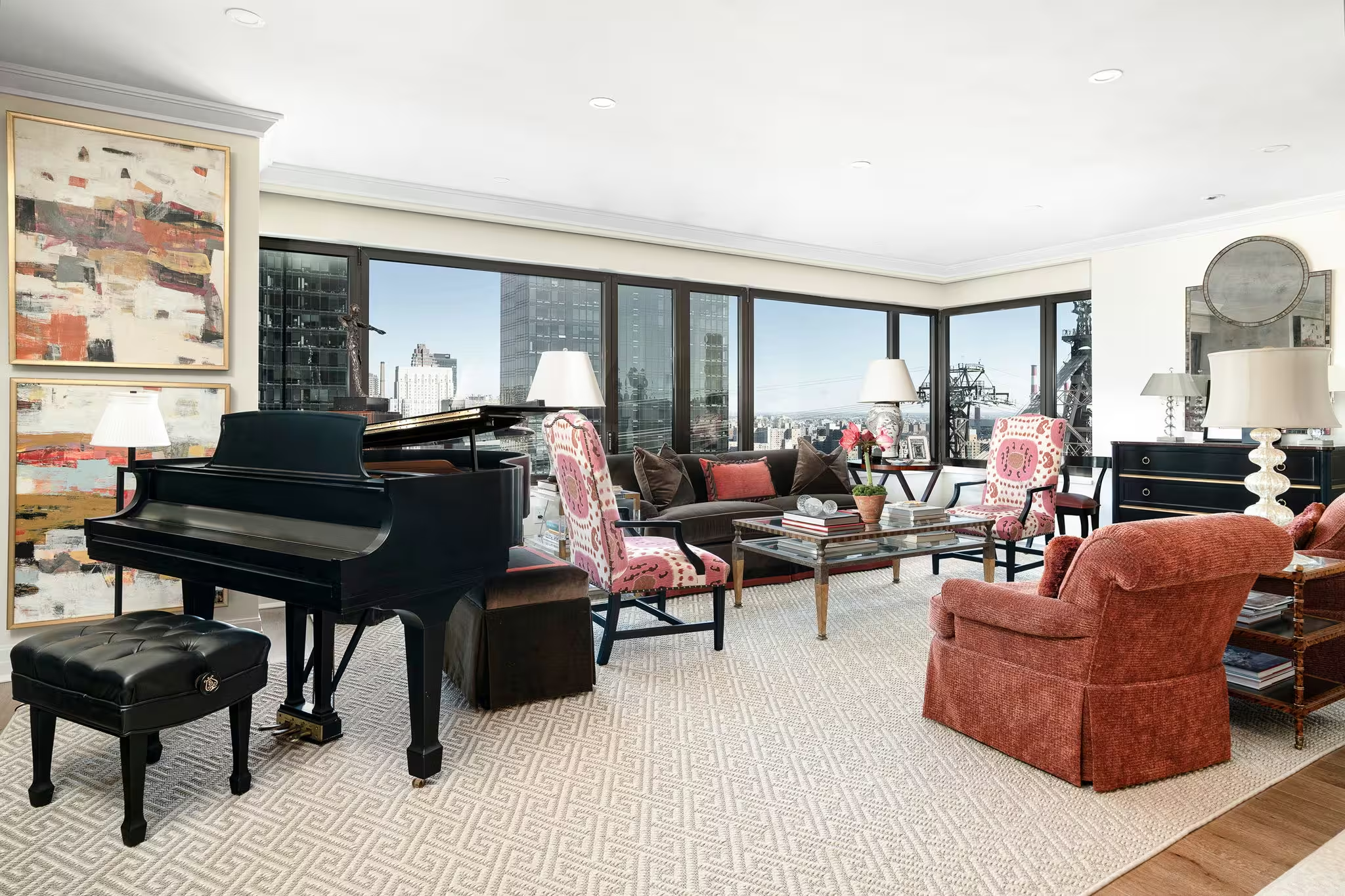
Manhattan offers a wide range of neighborhoods for buyers ready to renovate, each with its own opportunities and constraints. The comparison above sets the budgets and building stock at a glance; the notes below add the texture.
Where The Opportunity Is
NYC Neighborhoods To Renovate, Compared
Source: Gallery KBNY renovation project ranges across Manhattan and Brooklyn. Budgets vary with scope and condition.
Upper West Side Renovations
Pre-war co-ops define the Upper West Side, with original detail, expansive layouts, and high ceilings. Work usually centers on the kitchen and baths, modernized electrical and HVAC, and restored period detail like moldings and parquet. Budgets under $2M often achieve a full transformation, with returns driven by resale and the lasting appeal of pre-war character.
- Our Work In The Area: Our Favorite UWS Renovations
Upper East Side Renovations
The Upper East Side is known for classic-six apartments and townhouses, many ready for a return to form. Projects often open up the layout, update mechanical systems, and bring in high-end finishes that respect the traditional character. Full-scale work runs roughly $750K to $2M, with strong returns given the area's enduring appeal.
- Our Work In The Area: Our Favorite UES Renovations
Chelsea / Flatiron Renovations
Chelsea and Flatiron offer a mix of industrial loft conversions and older condos with flexible layouts, primed for a contemporary remix. Renovation scopes here can range from cosmetic updates to full gut renovations, with budgets commonly starting around $800K and exceeding $2M for more above and beyond transformations. Buyers earn the opportunity to create open, modern living spaces, but common challenges include integrating modern systems into older structures and navigating landmark restrictions in certain historic buildings.
- Our Work In The Area: Manhattan Condo Renovation At Chelsea Mercantile | 252 Seventh Ave
East Village Renovations
Quaint co-ops and walk-ups give the East Village its character and reward buyers open to creative work. Typical projects refresh the kitchen and baths, improve the layout, and modernize the systems. Budgets often run lower than other Manhattan neighborhoods, and a smart renovation can lift both function and value. The main hurdles are older systems, smaller footprints, and strict building guidelines.
- Our Work In The Area: Manhattan Renovation | 259 East 7th
Tribeca Renovations
Once known mainly for luxury lofts, Tribeca has grown more family-friendly, drawing buyers after space and strong schools. Renovations here often combine units, open the plan, update the kitchen and baths, and add custom finishes. Significant work runs from $1M to $3M, with strong returns given the demand for move-in-ready, personal homes. Challenges include landmark rules, limited construction windows in luxury buildings, and historic compliance on structural changes. See our favorite Tribeca renovations.
- Our Work In The Area: NYC Neighborhood Spotlight: Our Favorite Tribeca Renovations
Brooklyn's Emerging Renovation Markets
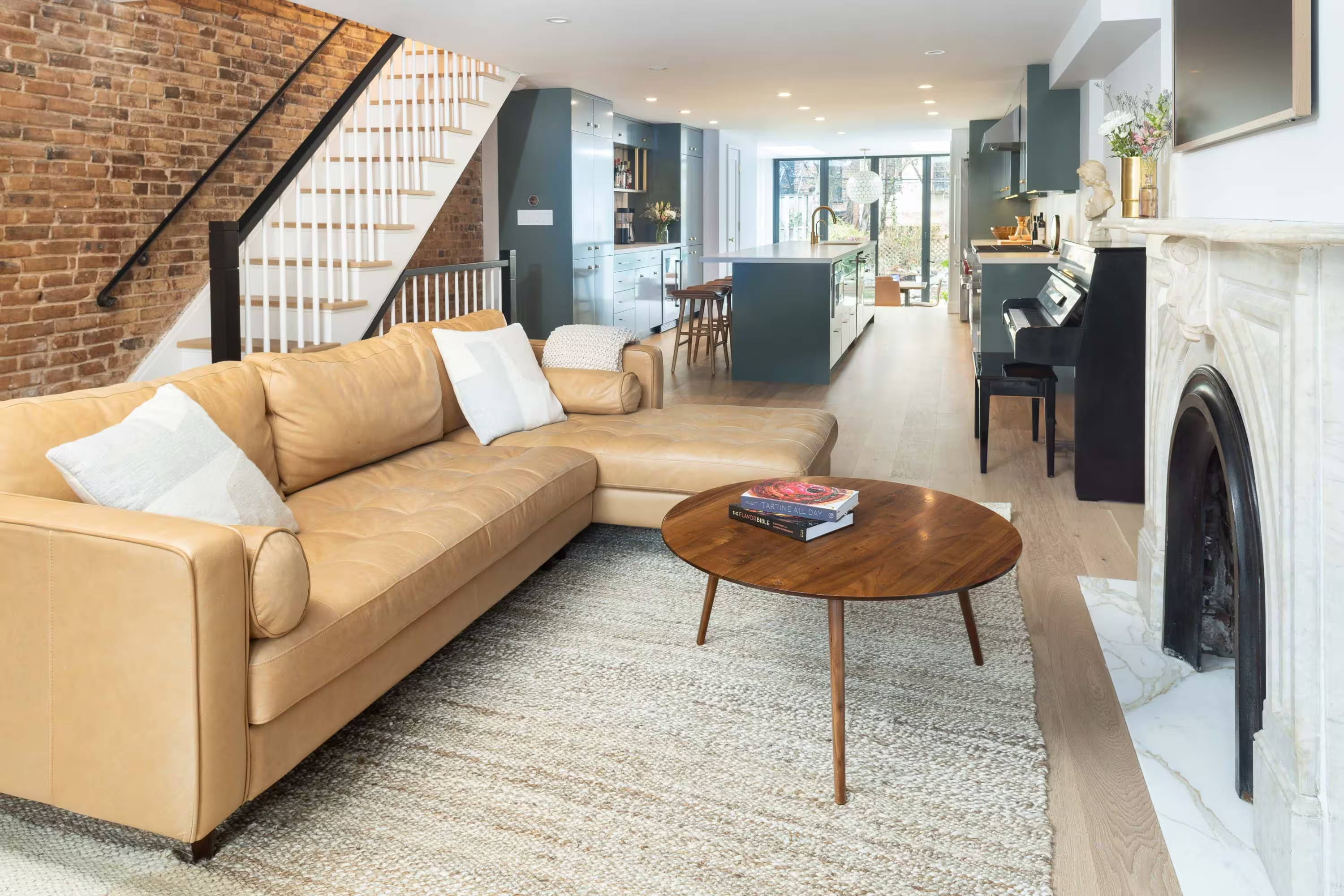
Brooklyn blends historic and modern homes with strong renovation potential. Budgets vary, and buyers with real renovation funds can find an address that pairs character and space with genuine upside in the borough's most desirable areas.
Park Slope / Prospect Heights Renovations
Victorian brownstones and pre-war co-ops define these walkable neighborhoods. Work typically modernizes the kitchen and baths, restores period detail, and updates electrical and HVAC. Budgets generally start in the $750K to $1.5M range for significant work, with returns driven by enduring popularity among families and professionals. The main considerations are co-op board approvals and the realities of older brownstones.
- Our Work In The Area: Brooklyn Co-Op Renovation | 296 Sterling Place
Williamsburg / Greenpoint Renovations
Expansive industrial lofts and condos open the door to highly customized work. Buyers tend to focus on open, modern living, upgraded kitchens, and high-end finishes. Budgets generally start around $800K and can pass $2M for more extensive transformations. Considerations include building-specific rules, limited construction windows, and coordinating upgrades with newer mechanical systems.
- Our Work In The Area: Greenpoint Condo Renovation | 21 India Street
Carroll Gardens / Cobble Hill Renovations
These neighborhoods are prized for brownstones and townhouses, many with outdoor space. Renovations often modernize the interiors, connect indoor and outdoor living, and preserve period detail. Budgets typically start near $1M for significant work, with returns boosted by the area's charm, strong schools, and proximity to Manhattan. The usual challenges are narrow lots and co-op or townhouse board requirements.
- Our Work In The Area: Brooklyn Brownstone Gut Renovation | Carroll Gardens
DUMBO / Brooklyn Heights Renovations
Luxury buildings dominate these areas and invite high-end work. Buyers typically invest in full interior transformations, with custom kitchens and baths and finishes tuned to urban living. Budgets often pass $1.5M, and the upside is significant thanks to the views, the historic character, and the closeness to Manhattan. Considerations include landmark regulations, building construction windows, and high board expectations.
- Our Work In The Area: Brooklyn Heights Pre-War Co-Op Combination | 61 Pierrepont
Market Trends And Investment Potential
A buyer willing to renovate a dated property holds a real advantage in Manhattan and Brooklyn right now. A few points are worth keeping in view.
What Makes A Property Worth It
The Good-Bones Checklist For NYC Buyers
The features that lower a listing's appeal at first glance are often the ones worth the most after a renovation. Here is what signals a property worth taking on.
Solid structure
A sound frame means fewer structural changes and budget aimed at design
Generous square footage
Room to reconfigure toward the layout you actually want
Architectural character
Moldings, ceiling height, and proportion that are hard to replicate
Serviceable systems
Systems that need updating rather than full replacement keep scope contained
A strong or rising location
Neighborhood strength compounds the value a renovation adds
Source: Gallery KBNY pre-purchase renovation assessments, Manhattan and Brooklyn.
ROI Expectations
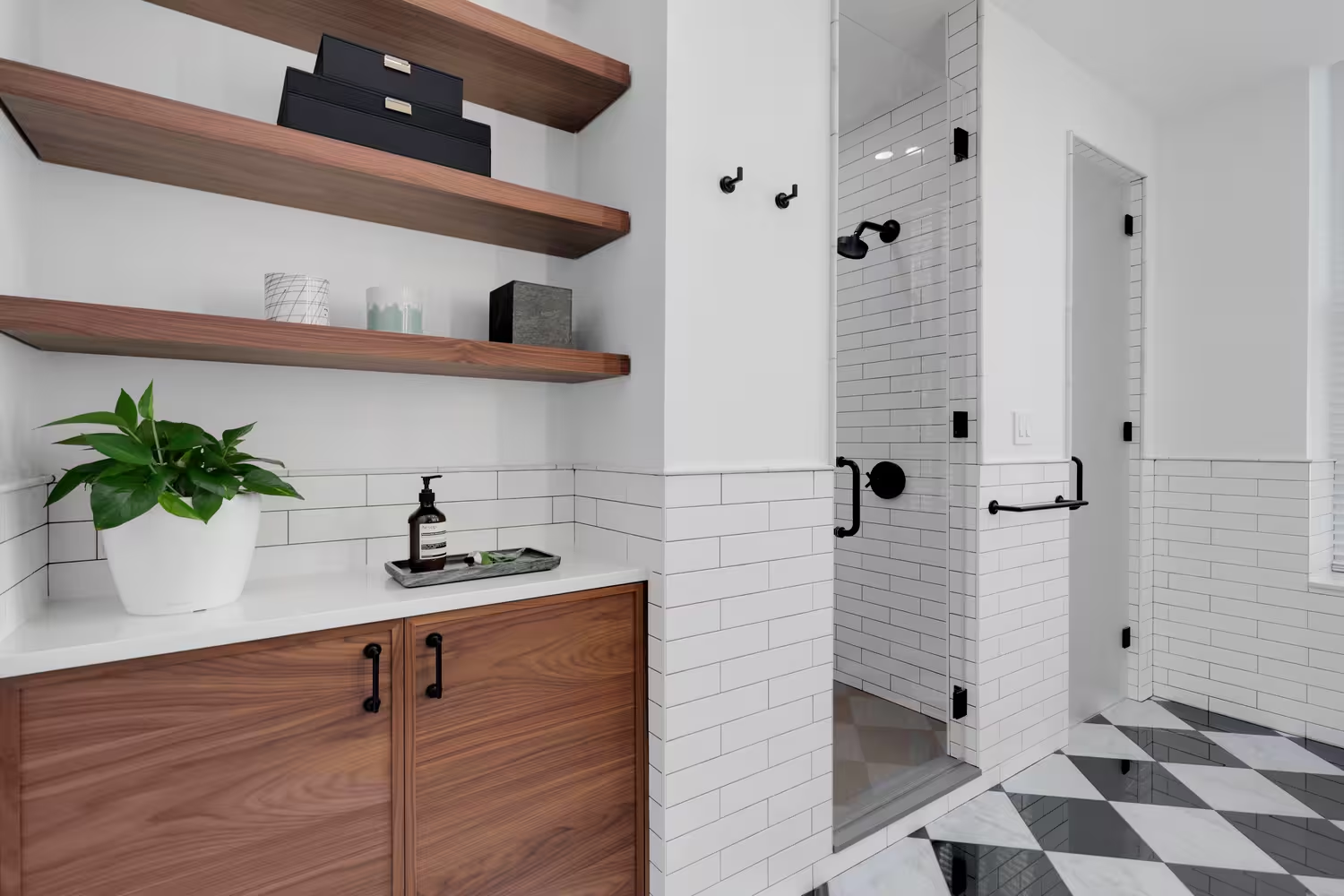
Cosmetic updates to the kitchen, baths, or flooring raise value quickly, and a full gut that reconfigures the layout, updates systems, and adds high-end finishes tends to deliver the strongest long-term return.
- Dig Deeper: Gut Renovations In New York City 101
Rental Potential
A modernized apartment in a prime neighborhood commands top rent. Even a few years of personal use can leave you with a high-performing rental for decades after you move on.
Neighborhood Growth
Up-and-coming areas such as Hudson Square, Clinton Hill, and Greenpoint gain from infrastructure improvements and new amenities, with rising values close behind. Renovating now puts a buyer ahead of that curve.

Working With The Right Team For Your NYC Renovation
Renovating in NYC takes foresight and a willingness to take on a real challenge. From pre-war layouts and co-op approvals to landmark restrictions and aging systems, every property carries issues to solve and openings for a buyer who plans carefully. Gallery KBNY's design-build approach is built to guide clients through that complexity and unlock a home's full potential while protecting both comfort and long-term value.
Why Experience Matters
Pre-war and older post-war buildings carry quirks that can trip up even seasoned owners. A team with deep NYC experience anticipates the common pitfalls, from structural constraints to co-op board nuances, before they turn costly or slow.
Coordination Across Disciplines
Because interior design, architecture, permitting, board approvals, and construction management all happen in-house, the work stays aligned to one vision. Engaging building management and boards early streamlines approvals and keeps the schedule steady.
Integrated Approach, Maximum Value
Partnering with a full-service design-build firm keeps a renovation cohesive and built to last, with function leading every decision from layout to finishes. Managing each stage in-house makes the experience smoother and faster, and ultimately more rewarding.
Spotting the Right Opportunities
From identifying properties with strong bones to evaluating neighborhoods ripe for renovation, our approach ensures buyers can make informed decisions. With Gallery, a fixer-upper doesn’t just become a home—it becomes a tailored space that balances style, function, and enduring value.
Spotlight: Cost Comparison: Buying A Turnkey Apartment VS Renovating A Fixer Upper In Manhattan
.jpg)
Next Steps Towards Buying To Renovate In NYC
Renovating in NYC rewards foresight as much as design. From spotting hidden potential in overlooked properties to navigating co-op approvals, landmark rules, and aging systems, every step calls for expertise. Looking past surface updates, whether that means reimagining a layout, modernizing systems, or honoring detail like moldings and trim, lets a buyer create a home that is both current and lasting.
When you work with a design-build firm like Gallery KBNY, all those moving parts stay connected. Our process is designed to take a fixer-upper and turn that house into a home that holds long-term value - whether you sell for profit or stay forever.
Considering purchasing a property in NYC with intent to renovate? View our portfolio of NYC apartment renovation before and afters, learn more about Gallery, or contact us today.
Gallery KBNY is a full-service design-build firm featured in The New York Times, specializing in the architecture, interior design, and renovation of apartments, co-ops, condominiums, townhomes, and lofts across Manhattan and Brooklyn. Our integrated team of architects, designers, contractors, and project managers manages every phase from board approvals and DOB permitting through design and construction. A founding partner is involved in every project, start to finish. Because architecture, design, permitting, and construction are coordinated under one roof, the process remains streamlined, accountable, and transparent from start to finish. Our work has also appeared in Forbes, Architectural Digest, and Inc., and is backed by 100+ five-star client reviews.
[#FAQ]Frequently Asked Questions About Where To Renovate In NYC[#FAQ]
Why is now a favorable time to buy a NYC property to renovate?
Current market conditions favor buyers who plan to renovate. Slower sales and rising inventory, along with greater seller flexibility on price, mean a buyer who can look past surface flaws is well positioned. Properties sit on the market longer, which opens room to negotiate terms that fit the budget and direct savings toward value-building upgrades. An apartment with dated finishes or an awkward layout often trades at a discount, and the renovation upside can more than close the gap, building equity and livability a turnkey listing rarely matches. The skill is recognizing which properties hold that hidden potential.
What should I look for in a fixer-upper before buying?
Four things deserve a close look before the contract is firm: the building type, the zoning and landmark status, the condition of the systems, and the building's renovation policies. A property with good bones, meaning solid structure, generous square footage, or real architectural character, gives a strong foundation and lets the budget go toward design and finishes rather than heavy structural work. Older pre-war and post-war buildings hold genuine upside when a renovation modernizes the kitchen, baths, layout, and systems while preserving the character. Assessing these factors before closing keeps the vision feasible and the budget honest.
How do building types differ for renovation potential?
Each building type carries a different renovation reality. Pre-war buildings bring high ceilings, expansive layouts, and period detail, with structural elements that can limit major changes. Post-war buildings and newer condos tend toward modern systems and standardized layouts, which simplifies some updates while restricting large reconfigurations. Townhouses allow the most freedom to expand or alter a layout, though their zoning and permitting run more complicated. Matching the ambition of a renovation to what the building type actually permits is what keeps a plan realistic, since the same design goal can be straightforward in one structure and prohibited in another.
How do zoning and landmark rules affect a renovation purchase?
NYC is more regulated than most cities, and that holds especially in historic districts and landmarked buildings. Restrictions can reach exterior changes, window replacements, and even certain interior modifications, many of which require Landmarks Preservation Commission review. Properties outside landmarked areas still answer to zoning that can shape additions, mezzanines, and floor-plan adjustments. Confirming a property's landmark status and zoning constraints before buying is essential, because they determine which parts of a renovation vision are achievable and which will need approval or a different approach entirely.
Which Manhattan neighborhoods offer the strongest renovation opportunities?
Several Manhattan neighborhoods reward renovation buyers, each with its own profile. The Upper West Side is defined by pre-war co-ops with original detail and high ceilings, where a full transformation is often achievable under $2M. The Upper East Side offers classic-six apartments and townhouses, with full-scale work running roughly $750K to $2M. Chelsea and Flatiron mix loft conversions and older condos, with budgets commonly starting around $800K and exceeding $2M. The East Village offers co-ops and walk-ups at lower budgets. Tribeca suits unit combinations and larger family homes, with significant work running $1M to $3M. Each pairs strong resale demand with a distinct set of building constraints.
What renovation opportunities does Brooklyn offer?
Brooklyn blends historic and modern homes with strong renovation potential. Park Slope and Prospect Heights are defined by Victorian brownstones and pre-war co-ops in walkable, family-oriented neighborhoods, where significant work generally starts in the $750K to $1.5M range. Projects typically modernize the kitchen and baths, restore period detail, and update electrical and HVAC. Returns are driven by the enduring popularity of these areas among families and professionals. The main considerations are co-op board approvals and the realities of older brownstones, which reward a buyer who understands the building before committing.
Why does infrastructure condition matter when buying to renovate?
Older buildings may carry electrical, plumbing, or HVAC that needs upgrading before a renovation can proceed. Assessing these systems early keeps the vision feasible and the budget honest, with no unwelcome surprises once work begins. A building with dated wiring, corroded plumbing, or an aging heating system carries added scope that has to be priced into the purchase decision. Confirming the state of the core systems during the evaluation, rather than after closing, is what separates a fixer-upper that pencils out from one that absorbs the savings the discount was supposed to provide.
How do building policies and approvals factor into a renovation purchase?
Co-ops and condos handle renovations very differently, and some require security deposits, a detailed board presentation, or strict contractor guidelines. These requirements shape both the timeline and the process, so understanding them before buying is part of a sound decision. A full-service approach folds them in from the start, engaging building management early and including a licensed NYC expeditor so permit applications and documentation are prepared and submitted accurately. Knowing a building's approval demands up front is what allows a renovation plan to be built around them rather than delayed by them.
Manhattan Design-Build
Evaluate Your Manhattan Apartment
Before You Buy
Buying an apartment you plan to renovate? A founding partner walks it with you during the contract period and maps the scope, cost, and timeline, so you know exactly what you're taking on before you sign.
As seen in
Pre-Purchase Assessment
Walk the apartment with us first and understand the full scope, cost, and timeline before you close.
or call us directly
let’s
Design-Build
together