.avif)


.png)
.png)


Apartment Renovation In New York City: Do's & Don'ts
NYC apartment renovations include a lot of moving parts plus complex processes. Prep properly with these do's and don'ts.
January 25, 2026
|
.webp)
Apartment Renovation In New York City: Do's & Don'ts
Home remodeling projects include a lot of moving parts and complex processes. In New York City, that statement rings especially true because of the high number of vendors and regulatory bodies involved in the process. If you don’t know how to prepare for a remodel, you’re bound to waste time and money on a project that’s more stressful than necessary
TABLE OF CONTENTS
- Assess Needs and Goals
- Determine the Scope of the Renovation
- Set A Realistic Budget
- Collaborate with Design Professionals
- Explore Design Concepts
- Material Selection and Sourcing
- Obtain Permits and Approvals
- Create a Realistic Timeline
- Construction and Project Management
- Do’s & Don’ts: How to Navigate the Renovation
A full-scope apartment renovation in New York City requires careful planning across design, regulatory, and construction dimensions simultaneously. The projects that stay on track are those where the client and the renovation firm align on scope, budget, and process before any design work or permitting begins.
As a full-service design-build firm in New York City that handles everything from interior design and architectural services to expediting and construction management, we understand the full scope of intricacies involved in apartment renovations of all shapes and sizes. In this article, we’ll guide readers through the essential steps to plan a comprehensive NYC apartment renovation, ensuring a seamless and successful transformation that aligns with your vision - whatever that may be.
[#Goals]Assess Needs and Goals[#Goals]
Start by evaluating your needs and goals for the renovation. A full-scope renovation warrants clear thinking about what the apartment needs to do differently when it is finished. Additional storage, an open-concept layout, a dedicated home office, or accommodation for a growing family are examples of functional objectives that should be defined before any design conversations begin. This is the time to identify the big picture objectives that will serve as a foundation for the rest of the planning process, because requesting change orders later in the renovation process will set back your timeline and cost significantly more.
[#Scope]Determine the Scope of the Renovation[#Scope]
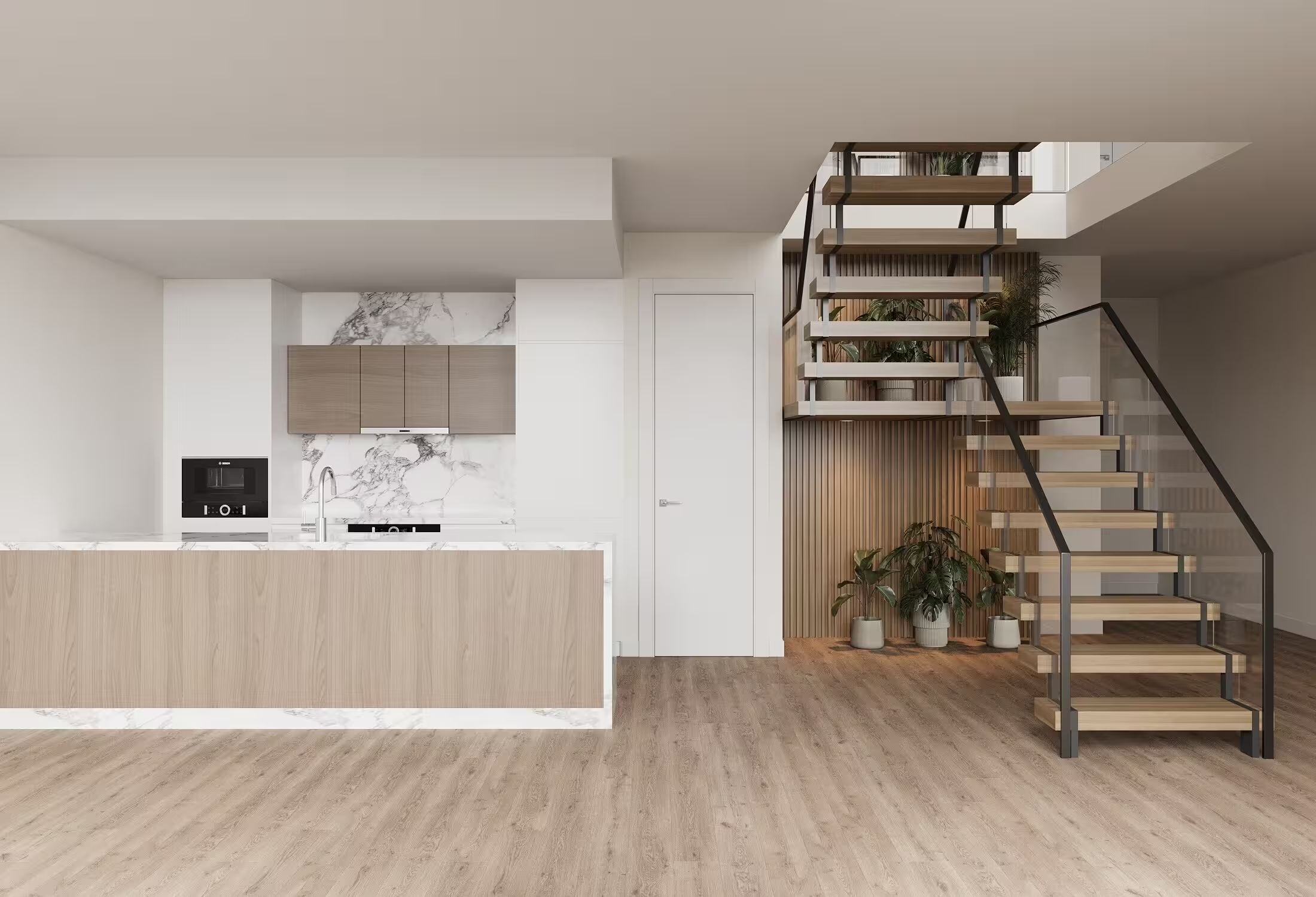
Once the conceptual goal of your renovation has been established, do yourself and your potential renovation partner a favor and spell out the specifics. Whether you're focusing on a single room or undertaking a comprehensive overhaul, a clear scope will streamline the planning process. Formally define the areas of your apartment that require renovation, creating a list that will serve as the tipping point to conversations with your design-build firm, which can be ironed out accordingly once budgets are established and feasibility has been determined. Consider the specific elements within each area, such as lighting, flooring, cabinetry, and fixtures, to ensure a cohesive design throughout your apartment.
[#Set]Set A Realistic Budget[#Set]
Establishing a realistic budget is crucial to ensure your renovation stays on track. Before partnering with a firm, create a baseline budget you’re comfortable with. If possible, have a range in mind, in case costs scale during the scoping process. Budget flexibility allows the renovation to respond to both opportunities and complications as they arise. In pre-war buildings in particular, conditions discovered during pre-construction due diligence, including outdated electrical systems, aged plumbing, or unpermitted prior work, frequently require scope that was not visible before demolition began. A budget range rather than a fixed ceiling gives the project room to address those conditions without disrupting the overall design program. Learn more about Common Surprises When Renovating A NYC Apartment.
[#Collab]Collaborate with Design Professionals[#Collab]
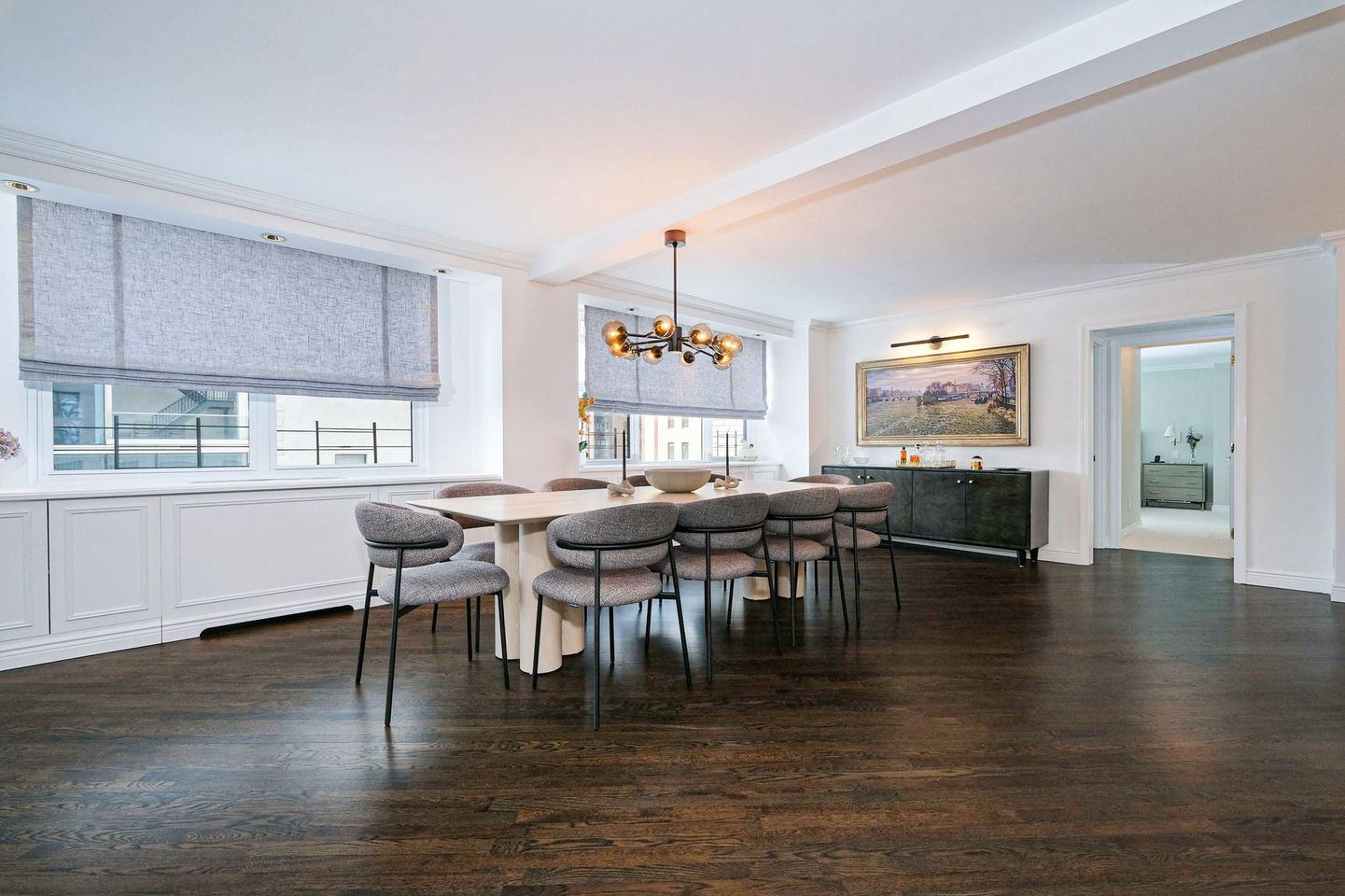
In New York City, where apartments have tight spatial constraints and renovation projects require board approvals, DOB permits, and coordinated trade management, working with an experienced design-build firm gives the project access to the full range of expertise needed in a single engagement. They will bring your vision to life while considering the unique constraints and opportunities presented by your space. A design-build firm with demonstrated experience in NYC renovations will provide clear guidance on what is feasible within the space, the budget, and the building's alteration agreement, and will present design options that reflect the client's specific goals. Read more about the benefits of a full-service design-build firm and why this all-inclusive approach is the ideal solution for your upcoming NYC renovation.
[#Explore]Explore Design Concepts[#Explore]
When interior design is part of the design-build engagement, the client works directly with in-house designers without managing a separate contractor relationship. The design scope, the construction scope, and the budget are coordinated under a single agreement from the start. Instead, once scope has been determined and the estimate is approved, you collaborate with in-house design professionals to explore different design concepts that align with your vision. They will present you with mood boards, sketches, and 3D renderings to help you visualize the proposed changes. This stage allows for discussions and revisions until you’re satisfied with the design direction.
[#Material]Material Selection and Sourcing[#Material]
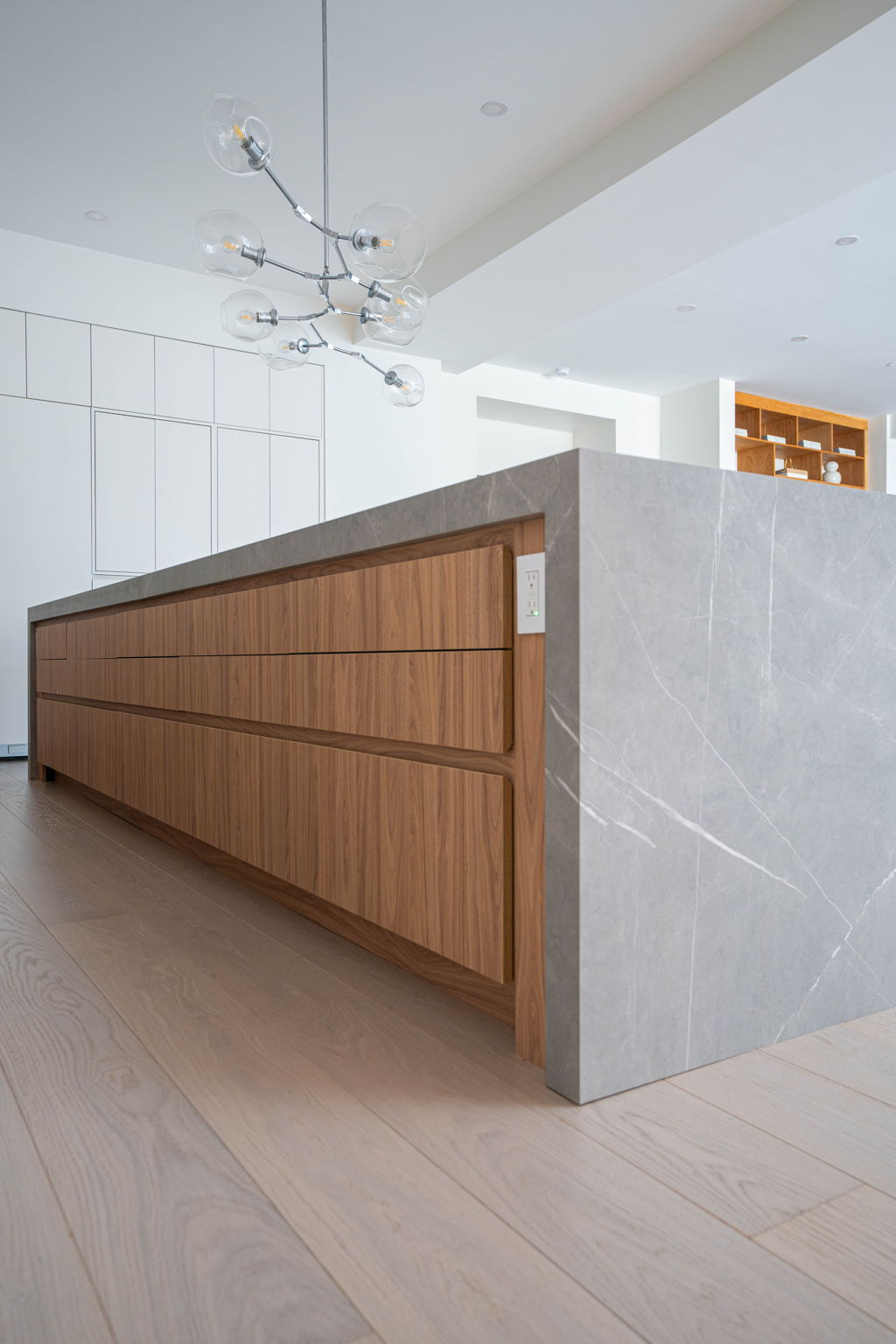
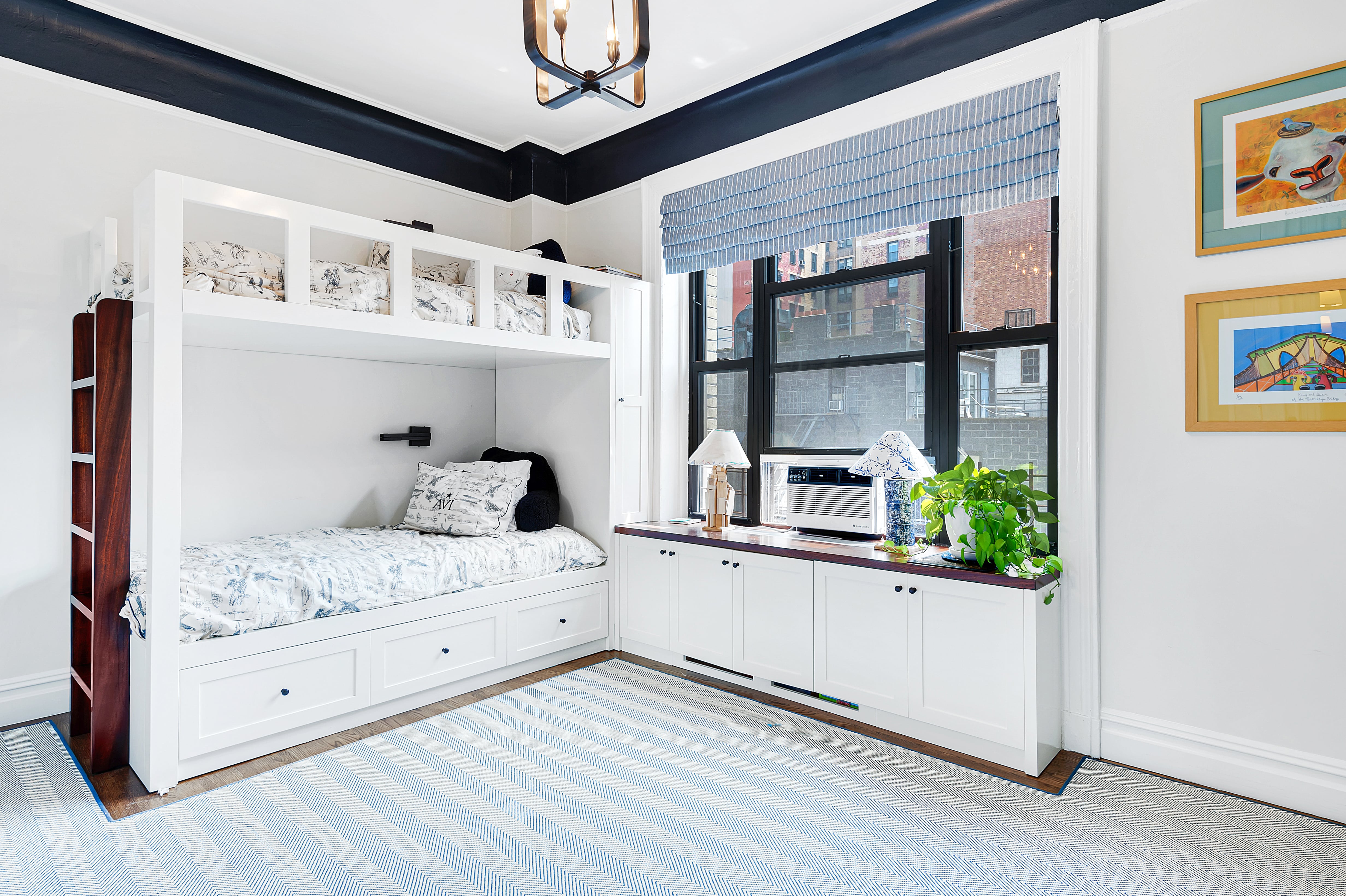
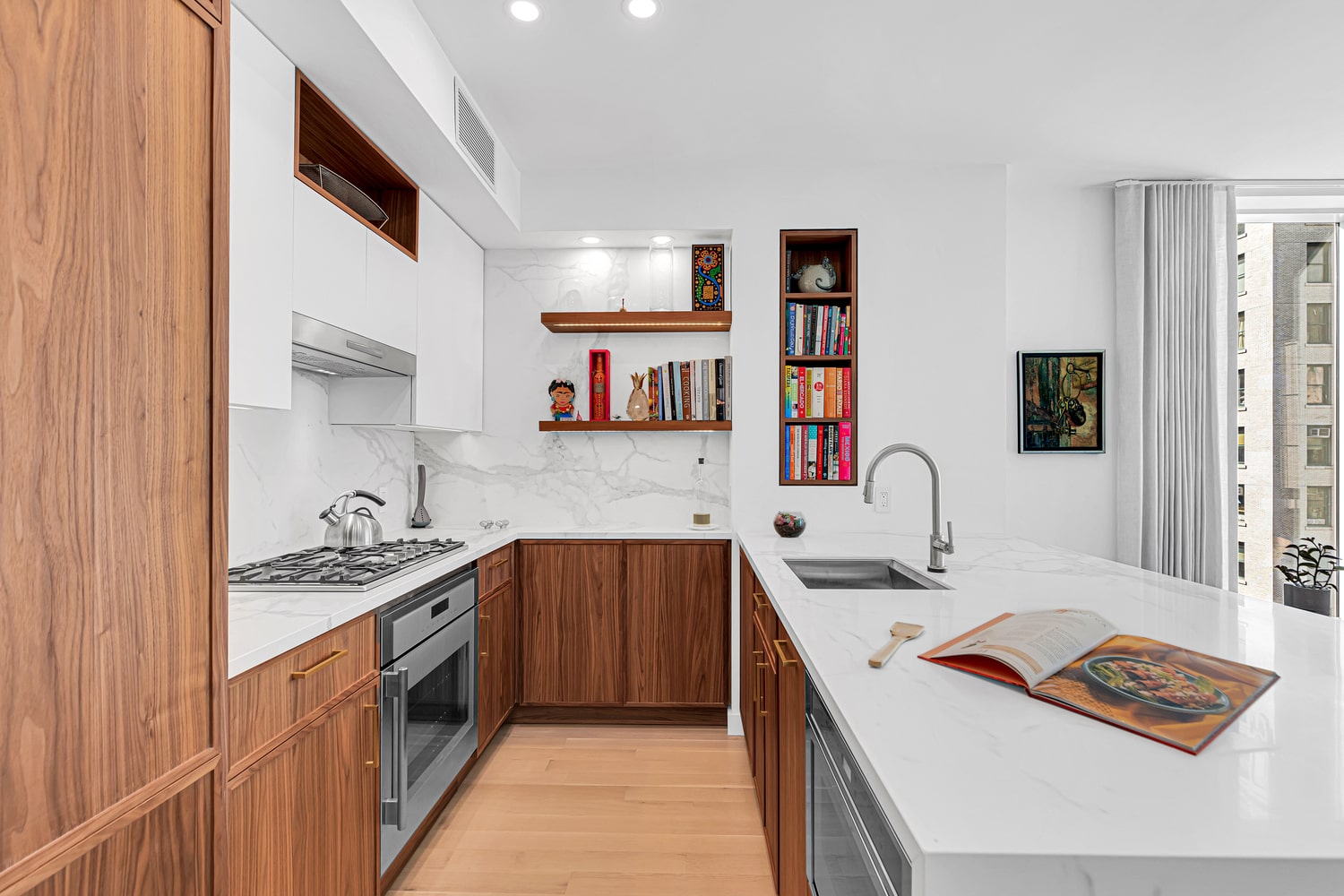
Once the design is determined, a design-build firm will guide you through the selection and sourcing of materials that best suit your design goals and budget. At Gallery, we work with reputable suppliers to provide a wide range of options for flooring, fixtures, finishes, and appliances. We prioritize quality, durability, and sustainability, ensuring that the chosen materials enhance the overall aesthetic and functionality of your apartment. Whenever possible, we also include a personal touch into the material selection process, making sure the choices reflect our clients as much as possible - whether that be from an overall aesthetic basis or within the details, such as these 100-year-old Swedish tiles our clients had that we incorporated into the kitchen backsplash during their Manhattan Condo Renovation at 91 Central Park.
[#Obtain]Obtain Permits and Approvals[#Obtain]
Navigating the necessary permits and approvals can be a complex process, especially in New York City. As part of our full-service design-build process, we serve as the expeditor for your renovation, handling all the paperwork and liaising with the appropriate authorities to ensure compliance with local building codes and regulations. By taking care of administrative tasks, we streamline the process to save you time and stress.
[#Create]Create a Realistic Timeline[#Create]
A well-planned timeline is essential to manage expectations and keep the renovation on schedule. Our team will develop a detailed project timeline, accounting for each phase of the renovation, including design development, material procurement, construction, and finishing touches. Regular updates and clear communication will ensure you are informed about the progress throughout the project, which you can easily keep track of via our JobTracker app.
[#And]Construction and Project Management[#And]
Our experienced construction team will bring your design vision to life, ensuring attention to detail, quality workmanship, and adherence to timelines. We will oversee the project from start to finish, coordinating all aspects of construction, managing subcontractors, all while working side by side with the design team who started the process to ensure the final product exceeds expectations.
| Phase | What to Accomplish | Confirm Before Moving On |
|---|---|---|
| 01 Assess Needs & Goals Client | Identify the functional and aesthetic objectives for the renovation. Decide what must change, what may change, and what should stay. | Big-picture priorities are defined. Scope-creep during construction carries real cost consequences; clarity here protects the budget. |
| 02 Define Scope Client + Firm | Spell out which rooms and elements are in scope. Create a specific list that becomes the basis for the renovation estimate. | Every area and element is named. Vague scope leads to change orders; specific scope enables accurate pricing. |
| 03 Set Budget Client | Establish a realistic budget range before engaging a firm. Build in a buffer for pre-war buildings where hidden conditions are common. | A range is in place, not just a ceiling. Budget flexibility allows the firm to surface opportunities rather than suppress them. |
| 04 Select Renovation Partner Client | Research firms, meet with multiple teams, and evaluate process, credentials, and fit. Verify licensing, insurance, and track record. | Partner is selected based on process and trust, not just price. The right firm manages logistics you would otherwise handle yourself. |
| 05 Design Development Design-Build Firm | Interior designers develop mood boards, layouts, and 3D renderings. Revisions continue until the design direction is approved. | Design is approved in writing. Changes after this stage cost more and take longer to implement. |
| 06 Material Selection Client + Firm | Select flooring, fixtures, finishes, cabinetry, and appliances. A design-build firm applies trade discounts and sources from vetted suppliers. | All materials are specified and lead times confirmed. Long-lead items ordered late delay construction regardless of readiness elsewhere. |
| 07 Permits & Approvals Design-Build Firm | File DOB permit applications, submit co-op or condo alteration agreement packages, and coordinate any LPC review for landmark buildings. | All permits issued and board approval received. Construction cannot legally begin until permits are in hand. |
| 08 Timeline Planning Design-Build Firm | Build a detailed construction schedule accounting for permit timing, material lead times, trade sequencing, and building work-hour rules. | Temporary housing is arranged and client is out before demolition. Most renovations require 3 to 6 months of vacant occupancy. |
| 09 Construction Design-Build Firm | Demolition, rough-in trades (plumbing, electrical, HVAC), inspections, finishes, millwork, fixtures, and final punch list. | Final walkthrough completed and all punch-list items resolved before occupancy. Progress tracked throughout via JobTracker. |
[#How]Do’s and Don’ts: How to Navigate the Renovation[#How]
The planning steps above address the process. The principles below address the mindset that determines how well that process goes for the client. These observations come from years of projects and client interactions at Gallery KBNY. While becoming well versed in the design-build renovation process will serve you well, taking stock of other facets of the project will make the experience even more comfortable. After years of projects and countless client interactions, we recommend taking the following into consideration:
| Principle | What It Means in Practice | What Goes Wrong Without It |
|---|---|---|
| Know Your Priorities Cost vs. full service | Decide early whether budget is the primary constraint or whether a managed, hands-off process matters more. That decision determines which type of firm to engage and how to evaluate the options. | Clients who delay this decision often end up in mismatched engagements, paying a full-service firm for a budget project or managing a labor-only contractor through a scope that required expert coordination. |
| Research Before Selecting Vet firms before committing | Meet with multiple firms and evaluate their process, credentials, and transparency. Confirm licensing with NYC DCA, verify insurance minimums, and review actual completed projects, not just renderings. | Clients who choose a firm based on price alone frequently encounter scope gaps, change orders, and contractor-managed rather than client-managed outcomes. The selection process is worth the time it takes. |
| Ask Detailed Questions No question is too basic | Ask who handles permits, what is included in the estimate, what is excluded, how changes are priced, and what the communication process looks like throughout construction. Document the answers. | Vague answers at the proposal stage become dispute points during construction. A firm that answers clearly before the contract is signed will operate the same way once work begins. |
| Hold to a Specific Proposal No room for interpretation | Require that the proposal be specific: named rooms, defined scope, specified materials, and line-item clarity. A no-change-order model holds the firm accountable to what was agreed. | Change orders are the most common source of budget overruns in NYC renovations. They arise when initial proposals are vague enough to leave items ambiguous. Specificity at signing protects the budget throughout. |
| Trust Your Assessment Read the contractor clearly | Pay attention to how a contractor answers questions, whether they give direct or evasive responses, and how they handle pushback. A firm that is transparent in the sales process will be transparent on the job site. | Clients who ignore early warning signs of evasiveness or vagueness frequently report the same behavior compounding once construction is underway, when the leverage has shifted to the contractor. |
Conclusion: Enjoy Your Transformed Space
At the completion of the renovation, Gallery KBNY conducts a final walkthrough with the client to confirm that every element of the scope has been executed to specification. The goal of the process from start to finish is a finished apartment that matches what the client envisioned at the beginning, built without surprises.
Considering an apartment renovation in New York City? View our portfolio of NYC apartment renovation before and afters, learn more about Gallery, or contact us today.
We are a New York Times-featured design-build firm in New York City with a full-service approach to renovations in Manhattan and Brooklyn that includes everything from interior design and architecture services to filing permits and construction management. We’re experts in pre-war apartment renovations, apartment combinations, room creations, full gut renovations and all that falls in between. Let us bring your dream home to life.
Gallery KBNY is a full-service design-build firm featured in The New York Times, specializing in the architecture, interior design, and renovation of apartments, co-ops, condominiums, townhomes, and lofts across Manhattan and Brooklyn. Our integrated team of architects, designers, contractors, and project managers manages every phase from board approvals and DOB permitting through design and construction. A founding partner is involved in every project, start to finish. Because architecture, design, permitting, and construction are coordinated under one roof, the process remains streamlined, accountable, and transparent from start to finish. Our work has also appeared in Forbes, Architectural Digest, and Inc., and is backed by 100+ five-star client reviews.
[#FAQ]Frequently Asked Questions About Apartment Renovations In NYC[#FAQ]
What should I do before starting a NYC apartment renovation?
The most productive work happens before any design begins. Define what the finished apartment needs to accomplish, whether that is additional storage, an open-concept layout, a dedicated home office, or room for a growing family, and treat those functional objectives as the foundation everything else is built on. From there, formalize the scope by listing the specific rooms and elements in play, and establish a budget range rather than a single number. Aligning on scope, budget, and process with your renovation firm before design or permitting starts is what separates the projects that stay on track from the ones that stall. Decisions deferred to the construction phase tend to arrive as change orders, which set back the timeline and add cost.
How should I set a budget for a NYC apartment renovation?
Begin with a baseline figure you are comfortable committing to, then hold a range around it rather than a fixed ceiling. Budget flexibility lets the project respond to both opportunities and complications as they surface. In pre-war buildings this matters most, because pre-construction due diligence regularly uncovers conditions that were not visible beforehand, including outdated electrical systems, aged plumbing, and unpermitted prior work that has to be corrected to pass inspection. A range gives the renovation room to absorb those conditions without forcing cuts to the design program. Committing to a hard number before demolition exposes what sits behind the walls is the most common way NYC budgets get broken.
What permits and board approvals does a NYC apartment renovation require?
Most substantive apartment renovations are filed with the DOB, and the filing requires drawings prepared and stamped by a licensed architect or professional engineer. In a co-op or condo, the building's alteration agreement adds its own layer: the board reviews the scope, requires professionally stamped drawings, sets insurance requirements for the contractor, and frequently has its own engineer sign off before work begins. An expediter manages the paperwork and the liaison with the relevant authorities to keep the filing moving. A full-service design-build firm serves as the expediter and carries the DOB process and the board submission together, so the approvals advance in parallel rather than one after another.
What are the most common mistakes that derail a NYC renovation?
The recurring ones trace back to decisions made too late or scope left undefined. A fixed budget locked before pre-construction due diligence removes the room a pre-war apartment usually needs. When rooms or finishes stay undecided, those choices get pushed into construction, where they surface as change orders that cost more and extend the schedule. Board review and DOB approval take longer than many owners expect, and underestimating them compresses everything downstream. Choosing a team without a documented record of completed co-op and condo work in NYC invites delays that an experienced firm would have anticipated. Settling scope, budget range, and process before design begins prevents most of these.
How long does the planning phase take before construction starts?
Design and documentation for a full-scope apartment renovation generally run 2 to 4 months, followed by 2 to 4 months for DOB permitting and board approvals, and those phases overlap where the process allows. Co-ops with longer board review cycles and projects in landmarked buildings sit toward the longer end. The planning phase is where the project's schedule and budget are actually set, so time invested in defining scope, exploring design concepts through mood boards and renderings, and finalizing material selections pays back during construction as fewer changes and fewer surprises.
Why do change orders cost so much, and how do I avoid them?
A change order made during construction reopens work that has already been documented, priced, and often started, which means trades get mobilized a second time and finishes have to be reworked to meet the revision. That rework drives the added cost and the schedule slip. The reliable way to keep change orders rare is to settle the functional goals, the room-by-room scope, and the material direction during planning, before the estimate is approved. Conditions discovered behind the walls in a pre-war apartment are a legitimate reason for scope to shift, and a budget range absorbs those. Discretionary changes to an already-settled scope are the ones worth avoiding.
What is different about renovating a pre-war co-op compared with a newer condo?
Pre-war co-ops carry more unknowns behind the walls and more discretion at the board level. Original electrical and plumbing frequently need replacement, prior unpermitted work often surfaces during due diligence, and acoustic and structural conditions in older construction call for closer coordination. Co-op boards also exercise broader discretion over scope, timing, and contractor requirements than most condo boards, and their alteration agreements can be more demanding. Newer condos tend to have more current systems and a more predictable approval path. Building the plan around the specific building's age, systems, and board requirements is what keeps either type of project on schedule.
Can one firm handle the design, architecture, and construction, or do I hire them separately?
A design-build firm carries architecture, interior design, permitting, and construction under a single engagement, so the design scope, the construction scope, and the budget are coordinated from the start rather than reconciled across separate contracts. The client works with in-house designers and the same team that files the DOB drawings and manages the board submission, and that team then runs construction through the final walkthrough. At Gallery KBNY a founding partner is involved in every project, which keeps accountability with one team from the first consultation through completion. Assembling an architect, designer, and contractor separately is workable, though it places the coordination and the handoffs between them on the client.
Manhattan Design-Build
Evaluate Your Manhattan Apartment
Before You Buy
Buying an apartment you plan to renovate? A founding partner walks it with you during the contract period and maps the scope, cost, and timeline, so you know exactly what you're taking on before you sign.
As seen in
Pre-Purchase Assessment
Walk the apartment with us first and understand the full scope, cost, and timeline before you close.
or call us directly
let’s
Design-Build
together