.avif)


.png)
.png)


NYC Condo Renovation Tips to Keep Your Project Running Smoothly
Renovating a co-op or condo in New York City is more complex than most imagine. Use these tips to ensure your remodel covers all angles up front and stays on track.
January 12, 2026
|

NYC Condo Renovation Tips to Keep Your Project Running Smoothly
If you’re about to embark on a substantial condo renovation in NYC, read our essential condo renovation checklists for both you and your renovation partner.
Table of Contents
- Your NYC Condo Renovation Checklist
- Your Renovation Partner’s Condo Renovation Checklist
- Additional Considerations When Preparing for Your NYC Condo Renovation
- Condo & Co-Op Renovation Experts In New York City
- Frequently Asked Questions Condo Renovations In NYC
A pre-war condo on the Upper East Side arrives with a galley kitchen sealed off from the dining room and a primary closet that runs short by the second season. Location and price both made sense. The apartment now needs to become a home that fits how its owners actually live.
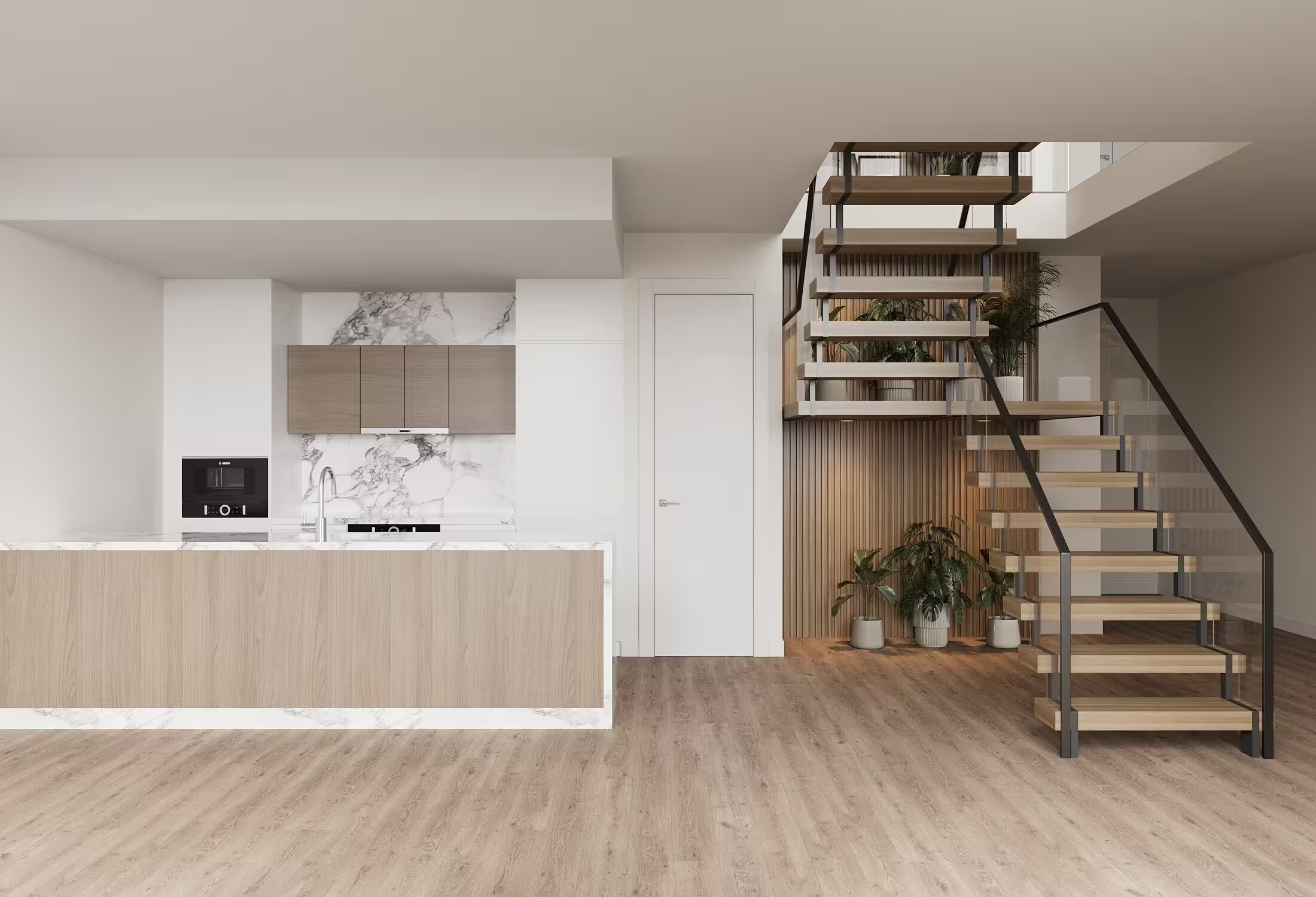
That gap between a sound purchase and a finished home is where most New York City condo renovations begin. Condos carry fewer use restrictions than most co-ops and avoid the maintenance load of a private house, which makes them a practical fit for many buyers. Even so, the work behind a polished result runs deeper than it first appears. Older Manhattan condos often hide galley kitchens with too little storage, and owners frequently want to open them toward the dining or living room for light and flow. Newer buildings raise their own questions, from a layout that no longer suits a growing family to finishes that never matched the owner's taste.
A successful condo renovation rewards early planning and a clear read on what the process demands. The checklists below separate the work an owner should handle up front from the work best carried by an experienced renovation partner, followed by the building-specific variables that shape nearly every Manhattan and Brooklyn project.

[#Your]Your NYC Condo Renovation Checklist[#Your]
A streamlined condo project starts with planning the owner controls directly. The steps below put the renovation in motion before the right partner comes on board.
Confirm Baseline Needs Of The Renovation
Define the goals and requirements for the condo up front, across both function and style. List the must-haves and the nice-to-haves early, then scope the work with a renovation partner who can price it accurately.
Get A Comprehensive Proposal That Heads Off Change Orders
Thorough planning at this stage prevents the mid-project change orders behind most renovation horror stories. A few changes are genuinely unavoidable, such as upgrading from porcelain tile to a marble slab once the bathroom takes shape. The rest belong in the original scope.
Many contractors still lean on a change-order model, where an attractive opening number gives way to additions like, “We didn’t realize the alteration agreement required a waterproof membrane in the bathroom and kitchen, so that will cost extra.” A proposal worth signing spells out every piece of requested work plus any requirements the alteration agreement imposes.
Gallery treats a change order as a planning failure to be avoided. Proactive due diligence produces a comprehensive budget and timeline that accounts for the nuances of the scope, which keeps unforeseen changes off the table later.
Understand The Building's Regulations
Get familiar with the local building codes and zoning rules, along with the condo board regulations that bear on the plan. When a stipulation looks like it could block an idea, raise it with the renovation partner early, since there is often a workaround the board will accept.
Where a Condo Renovation Diverges From a Co-Op
Both sit inside a governed building, yet the approval mechanics, financial scrutiny, and oversight differ enough to reshape your timeline before a single wall moves.
Read Every Line In Your Alteration Agreement
The board's alteration agreement keeps a renovation from running indefinitely or damaging the building. It sets out contractor requirements, the project types the board accepts, additional work it expects, and similar terms.
Vague or confusing language deserves a direct question to the board. A small misunderstanding can expose an owner to costly penalties and even put the whole project at risk.
Pro Tip: A NYC design-build firm experienced in condo renovations can interpret the agreement and flag obligations before they reach the budget.
Get To Know The Condo Board
Clarity on the alteration agreement goes further when paired with good relationships on the board. Owners who sit on the board, or who simply know its members well, gain an advantage when a renovation idea lands in a gray area of the agreement.
A partner fluent in how condo boards operate also protects those relationships. Rules, politics, logistics, and site conditions all differ for Manhattan and Brooklyn condo work compared with a typical home remodel, and experience with those differences pays off.
Gallery builds rapport with building boards and supers at the start of the process, which eases friction across the whole renovation.
Set a Realistic Budget
Establish a comprehensive budget that accounts for all aspects of the renovation, including materials, labor, permits, and unforeseen expenses. If you’re uncertain how much costs will be for your project, read our guide on NYC Renovation Costs Per Square Foot.
Choose The Right Partner For Your Renovation
This is where you decide how much work you want on your plate. If you choose an interior designer or architect up front in the process to help strategize the layout and design, there’s a good chance you’ll eventually be hiring and managing an additional contractor to handle the construction. However, if you hire a full-service design-build firm, which includes interior design and architectural services plus construction management, you’ll also be relieved of the pressure of having to do the following formalities your renovation will require.
[#Checklist]Your Renovation Partner’s Condo Renovation Checklist [#Checklist]
The planning above belongs with the owner. The responsibilities below sit with the renovation partner, whose expertise carries the logistical complexity of building in New York City.
Obtain The Necessary Permits
NYC's permit process rewards an early start. Identify the permits the renovation requires and get the paperwork in order before work begins, working with the renovation partner from the outset to speed acquisition.
Gallery begins pulling permits within the first week of a partnership to build in as much leeway as the calendar allows.
Communicate With The Condo Board
Keeping the condo board informed throughout planning maintains compliance and secures the approvals the work needs. A full-service partner handles that dialogue on the owner’s behalf, which keeps finer points from slipping through and heads off surprises during your renovation.
Develop A Detailed Timeline
A timeline that marks the milestones and deadlines for each phase leaves room for contingencies. Partnering with an end-to-end design-build firm will provide a comprehensive start to finish timeline for your renovation (See: Typical Timelines for NYC Renovations), whereas an architect or traditional design-bid-build contractor may only provide their respective portion of the timeline, requiring you to consider and coordinate additional scheduling components on your own.
Finalize The Design Plans
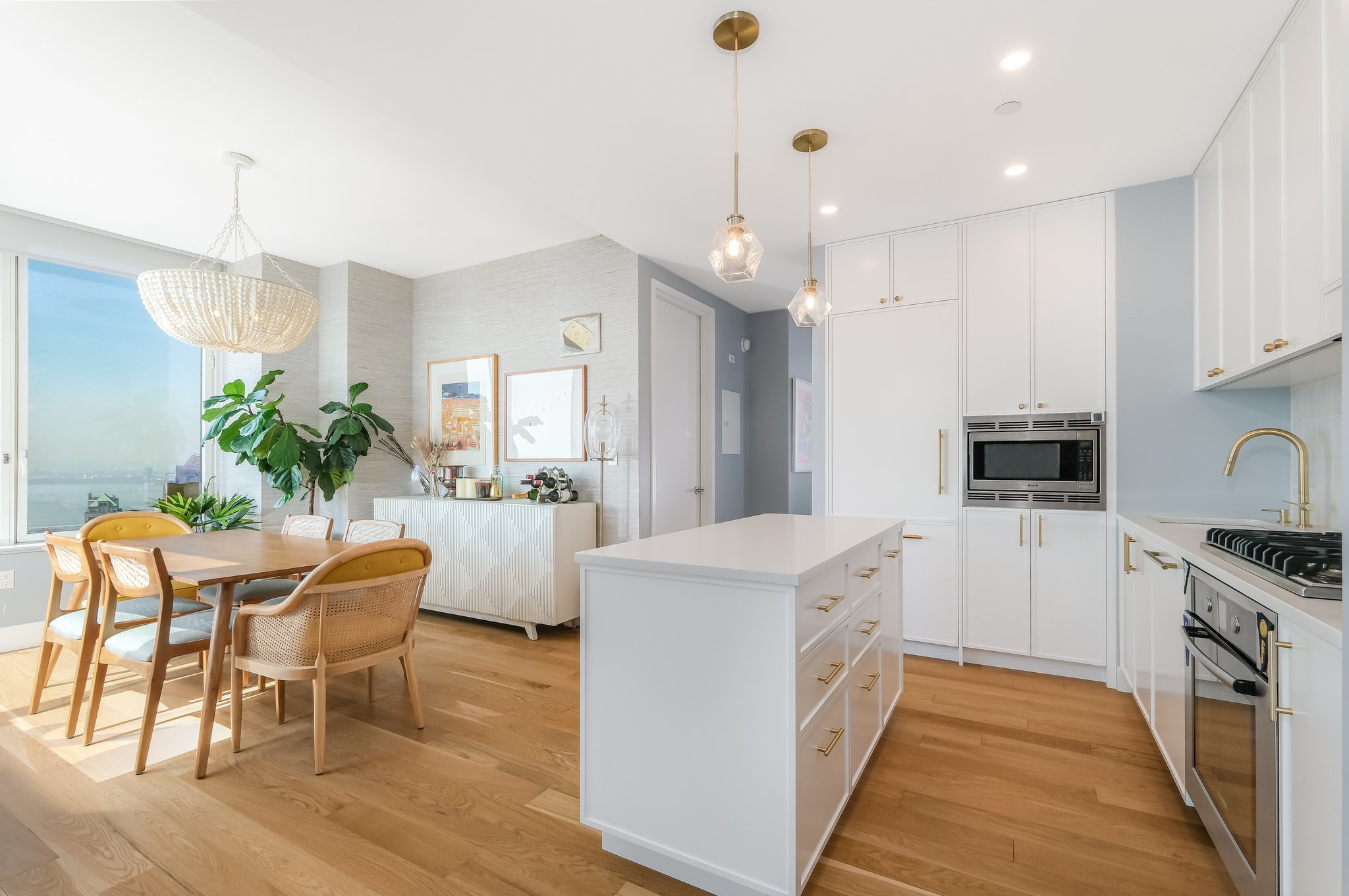
Close collaboration with the design-build firm, architect, or designer locks down layouts, materials, finishes, and fixtures. A finished home should arrive without surprises, with the nuances settled up front: kitchen configurations matched to how the household cooks, shower niches placed for the client's height, electrical panels positioned for real use, and bedrooms planned with children in mind. Small details carry the result.
Coordinate TheLogistics
Without a full-service design-build firm, the owner often coordinates logistics directly, scheduling deliveries and arranging sub-contractor access while working with building management to minimize disruption. A single accountable partner absorbs that coordination instead.

[#Additional]ADDITIONAL CONSIDERATIONS FOR YOUR NYC CONDO RENOVATION[#Additional]
Beyond the owner's checklist and the partner's responsibilities, other variables can shape a project. Not every item applies to every condo or co-op renovation, yet awareness of each one keeps the planning complete.
Board Restrictions
Building site conditions add another layer, from parking and elevator usage to daily working-hour limits. Condo renovation costs run higher than private-home work largely because of these conditions, so a unit on the fifth floor, a walkup, narrow hallways, or another constraint calls for extra budget.
Site Conditions
On top of these rules, you’ll have to account for site conditions such as parking, elevator usage, daily working hour restrictions, and more. NYC condo renovation costs are naturally higher than those for renovating private homes because of such conditions, so plan for additional costs if you’re on the fifth floor, you live in a walkup, your building has narrow hallways, or you have other site constraints.
How Building Site Conditions Shape the Job
Condo work carries logistical premiums that rarely appear in a square-foot estimate. Mapping them early keeps the budget and schedule honest.
Alteration Type I & II Permits
In NYC, condo renovations typically require either Alteration Type I or Type II permits, depending on the scope of work:
Alteration Type I vs Type II at the DOB
The permit class your scope falls under sets the filing path, the professional sign-offs required, and how the building's Certificate of Occupancy is treated at closeout.
Structural Constraints
Layout changes have to respect the structure. Condos frequently contain load-bearing walls or mechanical chases that constrain how spaces can be reconfigured. A walk-through by a prospective renovation partner before hiring surfaces these issues early, which lets an owner adjust the vision while it is still on paper.
Hidden Space Stipulations & Costs
A building's concrete ceiling may be off-limits to penetration. Removing or adding a wall, or installing recessed lighting, can then mean giving up some ceiling height, plus a budget line for channeling electrical down existing walls and skim coating to conceal the work.
Make As Much Use Of Natural Light As Possible
A concrete ceiling can narrow lighting options unless an owner accepts the height loss that recessed fixtures require. Where a condo enjoys real natural light, the remodel can be planned around it. Adding a bedroom, for instance, works well with sliding or pocket doors, or with a curtained glass wall, rather than a standard swing door. These alternatives cost more and take more work to build, and they keep light moving through the space in a way that rewards the investment.
Plan Around The Disruption
A condo renovation in NYC brings real disruption to anticipate, from noise restrictions to limited access and, where it applies, temporary relocation. Naming these factors early keeps expectations grounded.
Get Ahead Of The Process
An owner who wants a premium NYC condo renovation with a hands-off experience benefits most from engaging a full-service design-build firm early, one that navigates the city's condo complexities fluently. Gallery manages board restrictions and site conditions alongside the permit process as a single coordinated effort. With the structural constraints and hidden costs understood from the start, the design team optimizes natural light and limits disruption for a smooth build. An early conversation, before the process is fully underway, sets up the most streamlined path to a finished home.
[#Renovation]Condo & Co-Op Renovation Experts In New York City[#Renovation]
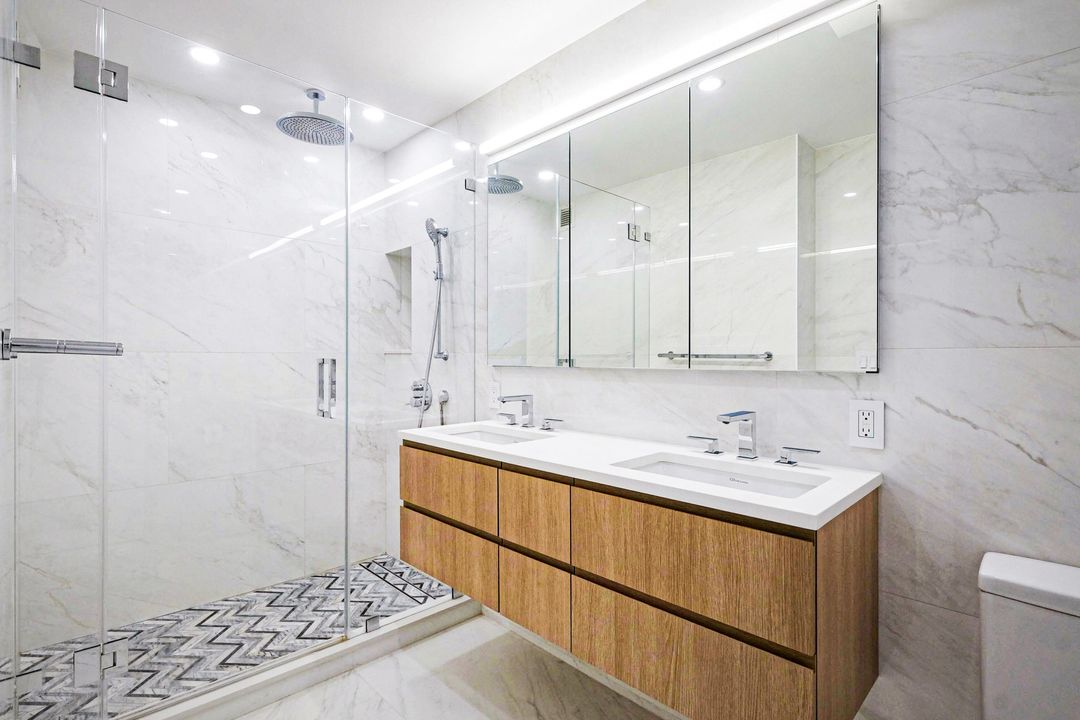
Finding the right condo at the right price, only to realize it doesn’t yet reflect its owner’s taste, opens an opportunity worth taking with a reputable partner like Gallery KBNY. Gallery’s full-service design-build approach covers every aspect of a NYC condo or co-op renovation, from architectural services and interior design through permit filings and construction, with every condo board requirement accounted for.
For inspiration ahead of a project, see Gallery’s latest piece, Condo Renovation Ideas 2026, or reach out to speak with one of Gallery’s design consultants.
Gallery KBNY is a full-service design-build firm featured in The New York Times, specializing in the architecture, interior design, and renovation of apartments, co-ops, condominiums, townhomes, and lofts across Manhattan and Brooklyn. Our integrated team of architects, designers, contractors, and project managers manages every phase from board approvals and DOB permitting through design and construction. A founding partner is involved in every project, start to finish. Because architecture, design, permitting, and construction are coordinated under one roof, the process remains streamlined, accountable, and transparent from start to finish. Our work has also appeared in Forbes, Architectural Digest, and Inc., and is backed by 100+ five-star client reviews.
[#FAQ]Frequently Asked Questions Condo Renovations In NYC[#FAQ]
What should I handle myself before hiring a condo renovation partner?
Several planning steps sit with the owner and set the renovation in motion before a partner comes on board. Defining the baseline needs comes first, across both function and style, with the must-haves and the nice-to-haves listed early so the work can be scoped and priced accurately. Getting familiar with the building codes, zoning rules, and condo board regulations that bear on the plan is next, since a stipulation that looks like a blocker often has a workaround. Reading every line of the alteration agreement, building relationships with the board, and setting a realistic budget that accounts for materials, labor, permits, and unforeseen expenses round out the owner's work. Choosing the right partner then determines how much of the rest lands on the owner's plate.
How can I avoid mid-project change orders on a condo renovation?
Thorough planning up front prevents the change orders behind most renovation horror stories. A proposal worth signing spells out every piece of requested work, plus any requirements the alteration agreement imposes, so the scope is complete before anything is signed. Many contractors still lean on a change-order model, where an attractive opening number gives way to additions such as a waterproof membrane the alteration agreement required all along. A few changes are genuinely unavoidable, such as upgrading from porcelain tile to a marble slab once the bathroom takes shape, and those are reasonable. The rest belong in the original scope. Insisting on a comprehensive proposal at the outset is the surest protection against a low opening number that climbs through the project.
Why is the alteration agreement so important in a condo renovation?
The board's alteration agreement is what keeps a renovation from running indefinitely or damaging the building. It sets out the contractor requirements, the project types the board accepts, the additional work it expects, and similar terms that shape the job. Vague or confusing language deserves a direct question to the board, because a small misunderstanding can expose an owner to costly penalties and even put the whole project at risk. Reading every line before work begins, and resolving any ambiguity in writing, is what keeps the renovation compliant. Pairing that clarity with good relationships on the board goes further still, since an idea that lands in a gray area of the agreement is easier to resolve when the members are known.
How does a condo renovation differ from a co-op?
Both sit inside a governed building, and the approval mechanics, financial scrutiny, and oversight differ enough to reshape a timeline before a single wall moves. Condos generally carry fewer use restrictions than most co-ops and avoid the maintenance load of a private house, which makes them a practical fit for many buyers. The board review a condo requires tends to be lighter than the detailed scrutiny a co-op board applies, though the alteration agreement, permits, and building rules still govern the work. Understanding where the two diverge, and preparing for the specific process the building follows, is what keeps the approval phase from slowing the project unexpectedly.
What does a renovation partner handle on a condo project?
The renovation partner carries the logistical complexity of building in New York City. Permits reward an early start, so the required paperwork is identified and put in order before work begins. The board dialogue runs throughout planning to maintain compliance and secure approvals, which a full-service partner handles on the owner's behalf. A detailed timeline marks each phase's milestones and leaves room for contingencies, keeping the schedule honest. Design plans are finalized to lock the layouts, materials, finishes, and fixtures so the finished home arrives without surprises. Logistics coordination, from deliveries to subcontractor access to building management, completes the role, and a single accountable firm absorbs all of it rather than leaving the owner to juggle separate parties.
What are Alteration Type I and Type II permits?
Condo renovations in NYC typically require either an Alteration Type I or an Alteration Type II permit, depending on the scope of work. The permit class sets the filing path, the professional sign-offs required, and how the building's Certificate of Occupancy is treated at closeout. A Type I alteration generally involves a change to the Certificate of Occupancy, such as altering the number of rooms or the legal use of a space, and carries a more involved filing and sign-off process. A Type II alteration covers work that does not change the Certificate of Occupancy, which describes most interior residential renovations. Confirming which class a project falls under early determines the filing path and the approvals the work will need.
Why do condo renovations cost more than private-home work?
Condo work carries logistical premiums that rarely appear in a square-foot estimate. Building site conditions add a layer beyond the renovation itself, from parking and elevator usage to daily working-hour limits and freight access. A unit on the fifth floor, a walkup, narrow hallways, or another access constraint each calls for extra budget, since the labor and coordination they demand exceed what a comparable private-home project would require. Mapping these conditions early keeps the budget and schedule honest. Building the site-condition premiums into the estimate from the start is what prevents them from surfacing as a surprise once the work is underway.
How do I set a realistic condo renovation budget?
A realistic budget accounts for every aspect of the renovation, including materials, labor, permits, and unforeseen expenses. It also has to absorb the site-condition premiums specific to condo work, such as elevator scheduling, working-hour limits, and access constraints that raise the cost above a private-home equivalent. A comprehensive proposal that spells out the full scope, plus any requirements the alteration agreement imposes, is what turns a budget from an estimate into a reliable figure. Building in a contingency for the conditions an older building can hide keeps the number honest. Pricing the project against what the building actually demands, rather than a generic per-square-foot figure, is what produces a budget that holds.
Manhattan Design-Build
Evaluate Your Manhattan Apartment
Before You Buy
Buying an apartment you plan to renovate? A founding partner walks it with you during the contract period and maps the scope, cost, and timeline, so you know exactly what you're taking on before you sign.
As seen in
Pre-Purchase Assessment
Walk the apartment with us first and understand the full scope, cost, and timeline before you close.
or call us directly
let’s
Design-Build
together