.avif)


.png)
.png)


What Is The Right Approach For Your NYC Apartment Renovation?
Ready to renovate? Read as we review different types of apartment renovations in NYC, offering insights into the most effective approaches for each, guiding readers on their choices between design-build firms, architects, contractors, or interior designers based on the project's scope.
January 23, 2026
|
.jpeg)
What Is The Right Approach For Your NYC Apartment Renovation?
The right renovation partner can make or break your NYC renovation, so choose wisely.
TABLE OF CONTENTS
- Full Apartment Renovations
- Kitchen & Bathroom Renovations
- Apartment Combinations
- Full Gut Renovation
- Kitchen Only
- Bathroom Only
- Millwork Only
- Design Only
- FAQs About Choosing A Contractor For Your NYC Renovation
Deciding to renovate an apartment in NYC is a considered process that deserves time. Wherever you are, weighing the extent of the project or close to choosing a partner, the review below matches the common renovation types to their most effective approach, so you can hire appropriately for the work ahead.
| Renovation Type | Most Effective Approach | Why It Fits |
|---|---|---|
| Full Apartment Renovation | Design-Build Firm or Architect | A comprehensive overhaul benefits from integrated design and construction oversight |
| Kitchen & Bathroom Renovation | Design-Build Firm | An all-inclusive approach coordinates trades, permits, and board approvals |
| Apartment Combination | Design-Build Firm or Architect | Complex, regulated work runs best with every party under one roof |
| Full Gut Renovation | Design-Build Firm or Architect | Stripping to the studs and reconfiguring layout requires structural expertise |
| Kitchen Only | Contractor or Interior Designer | A defined remodel without structural change suits a focused specialist |
| Bathroom Only | Contractor or Interior Designer | A single-room update rarely calls for an architect or full team |
| Millwork Only | Carpenter, Contractor, or Interior Designer | An intricate, singular specification calls for a focused craftsman |
| Design Only | Interior Designer or Interior Decorator | Curating finishes and furnishings without construction is a design specialty |
Types of Apartment Renovations in NYC
-min-p-1080%201.20.32%20PM.jpeg)
[#Full]Full Apartment Renovations[#Full]
Most Effective Approach To The Job: Design-Build Firm or Architect
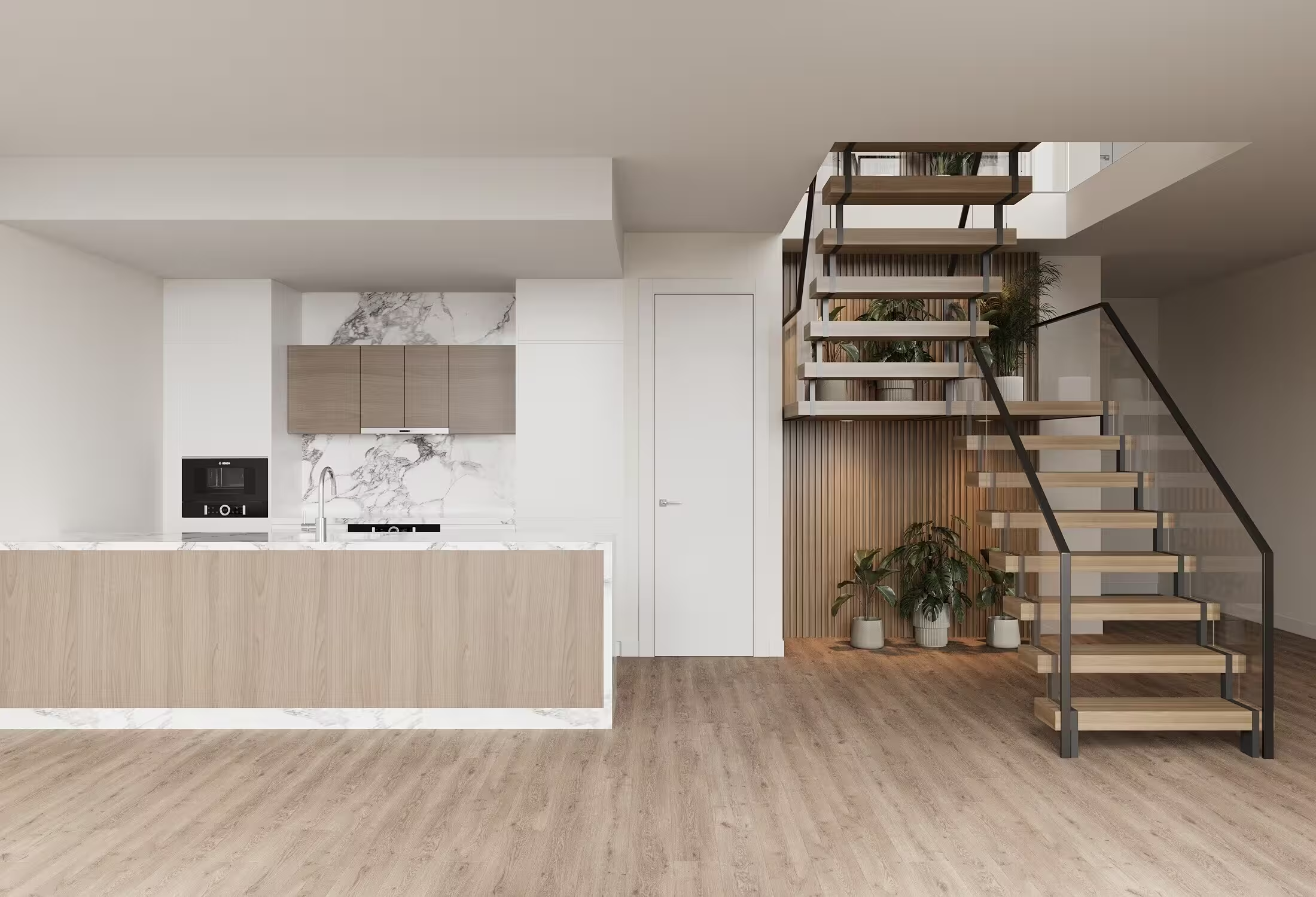
With real estate at a premium in NYC, a full apartment renovation offers the rare chance for a comprehensive overhaul, reworking the layout, storage, and design to reimagine the space around how you live. For that level of revitalization, a design-build firm or an architect is the right starting point. A design-build firm suits a full renovation through its integrated approach, giving a single point of responsibility across design and construction. That model keeps communication clear and the schedule efficient as the design and build teams collaborate, and as a design-build firm, we handle all permits and approvals for clients. An architect is also a strong choice for strategic guidance, with the distinction that an architect outsources construction to a separate contractor, which adds cost and coordination on the client's side and tends to run more expensive than design-build overall. For more on the two approaches, read The Pros And Cons Of Design-Build Vs. Architectural Firms.
For examples of Gallery’s full apartment renovations in NYC, view our portfolio of before and after full home renovations.
[#KB]Kitchen & Bathroom Renovations[#KB]
Most Effective Approach To The Job: Design-Build Firm
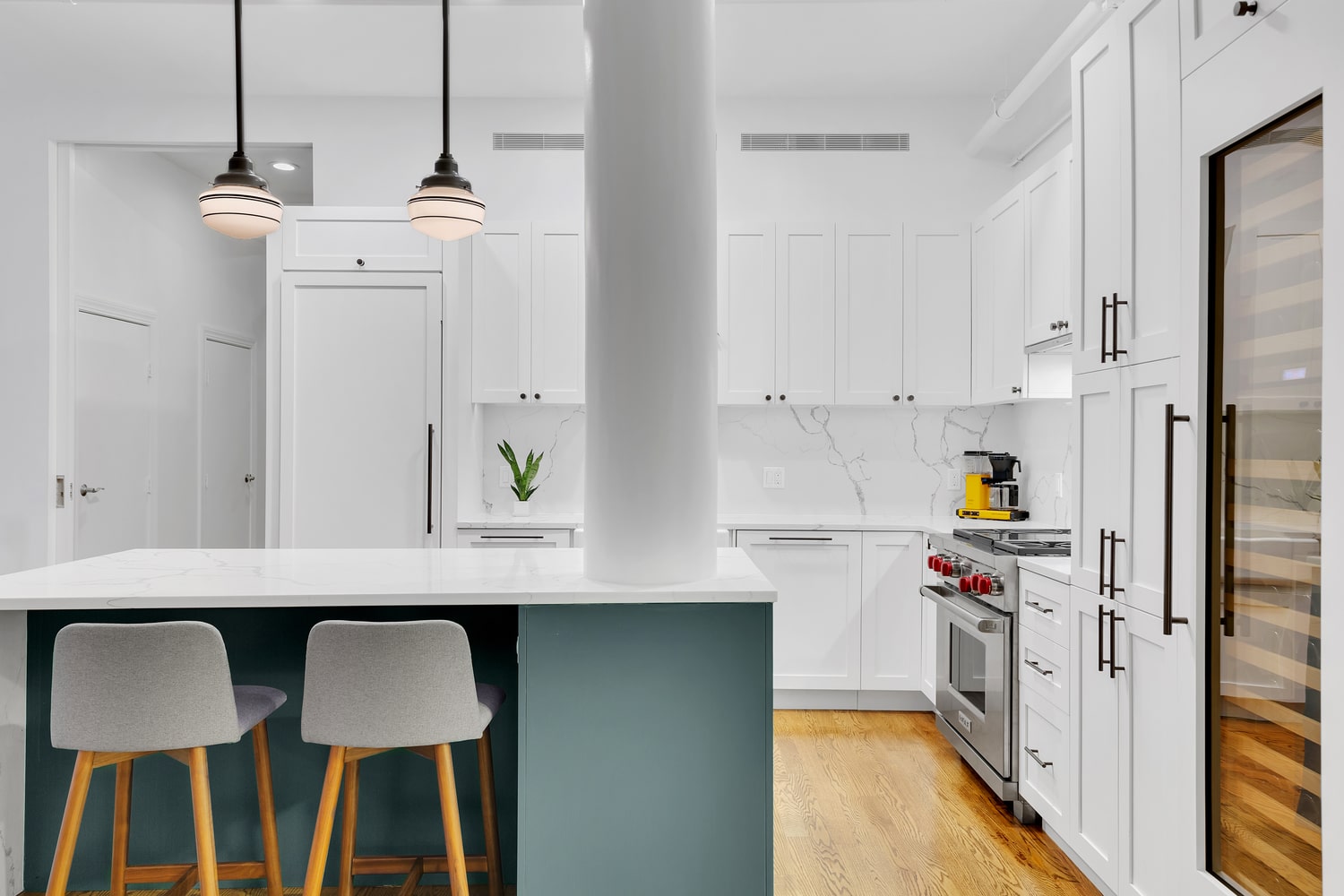
A kitchen and bathroom renovation tends to deliver the highest return, since these essential spaces lift both the appeal and the function of an apartment and show well on the market and in person. For a combined kitchen and bath project, a design-build firm and its all-inclusive style is the most effective approach. A contractor can also handle the work and may offer more cost flexibility, with the trade-off that you coordinate the supporting trades, such as electricians and plumbers, and manage board approvals and permits yourself.
For examples of Gallery’s kitchen and bathroom renovations in New York City, browse our full portfolio of kitchen renovations or bathroom renovations.

[#Combo]Apartment Combinations[#Combo]
Most Effective Approach To The Job: Design-Build Firm or Architect
Subject to building regulations and ownership constraints, combining two apartments offers the rare chance to move past the spatial limits of many iconic NYC residences. A customized, complex renovation of this kind calls for one of two routes: a design-build firm or an architect. Both bring the strategic overview these projects require. An architect typically outsources the construction to a separate contractor, while a design-build firm keeps every party under one roof, which leaves far less room for miscommunication and setbacks during work this complex.
For examples of Gallery’s apartment combination renovations, browse our full portfolio of apartment combinations in NYC.
[#Gut]Full Gut Renovation[#Gut]
Most Effective Approach To The Job: Design-Build Firm or Architect
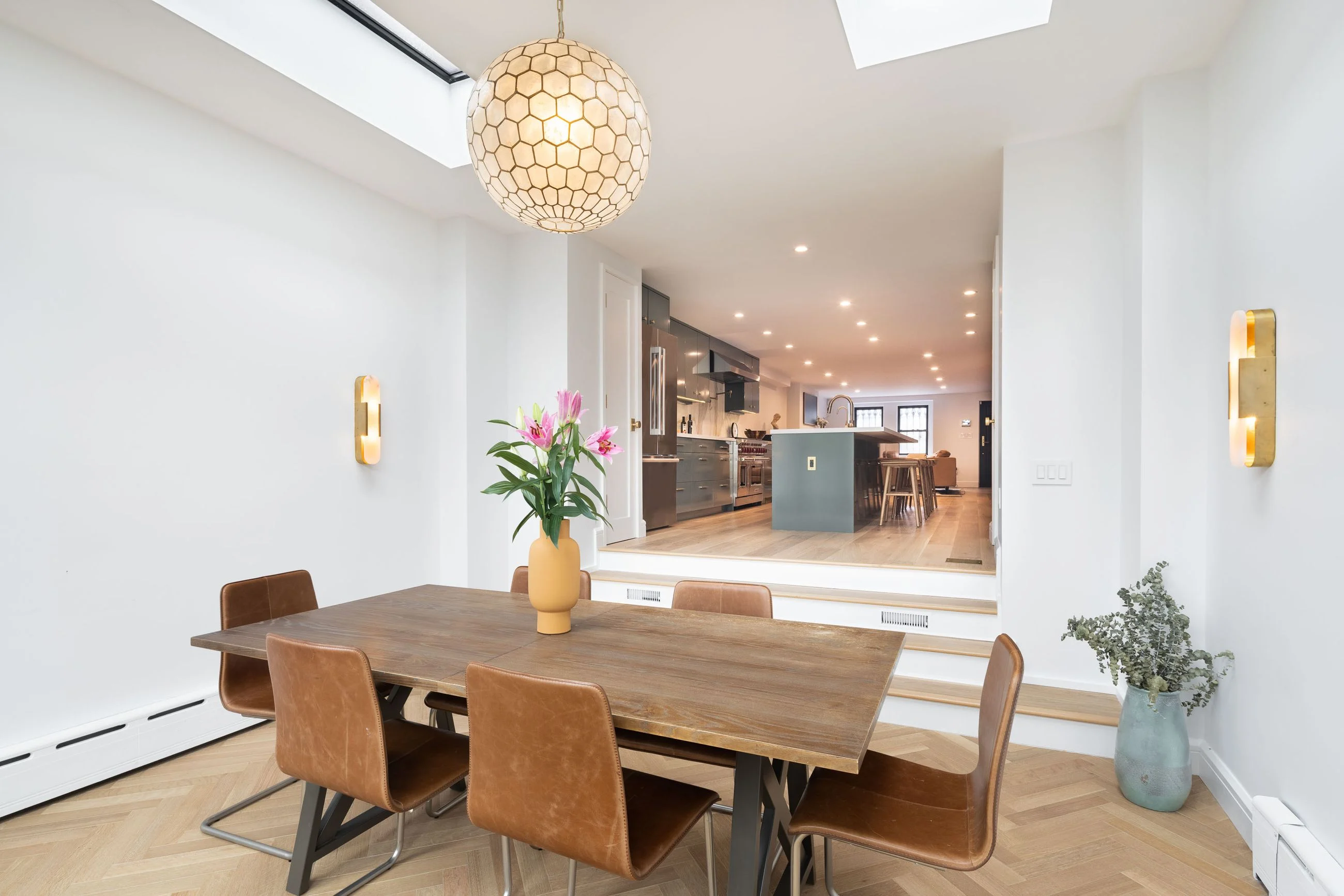
A gut renovation offers an unmatched level of customization for a NYC home. What sets it apart is its reach, going beyond a typical full renovation to strip the structure down to the bare studs. Every facet of the home can be reinvented, from electrical and plumbing systems to insulation and layout, for a space built around your needs and taste. Because this level of work reconfigures the layout, it calls for an architect or a design-build firm, both equipped to protect structural integrity and refine the floor plan to maximize square footage. When the vision still needs shaping and you want design support up front, a design-build firm is worth considering, since interior design expertise is built directly into its all-inclusive process.
For examples of Gallery’s gut renovations in NYC, view our complete renovation portfolio including various full gut renovations.

[#Kitchen]Kitchen Only[#Kitchen]
Most Effective Approach To The Job: Contractor or Interior Designer
For a basic kitchen renovation in a NYC apartment, a general contractor or interior designer is usually the better fit. Both bring expertise in optimizing the layout, selecting materials, and running the construction efficiently. Architects suit larger projects that involve structural change, and a design-build firm's integrated approach is often more than a straightforward kitchen remodel requires.
-min.jpg)
[#Bath]Bathroom Only[#Bath]
Most Effective Approach To The Job: Contractor or Interior Designer
As with a standalone kitchen, a general contractor or interior designer is well suited to a basic bathroom renovation. Unless you are reconfiguring the layout or creating an entirely new bathroom, an architect or design-build firm is usually more than a single bathroom needs.
[#Millwork]Millwork Only[#Millwork]
Most Effective Approach To The Job: Carpenter, Contractor or Interior Designer
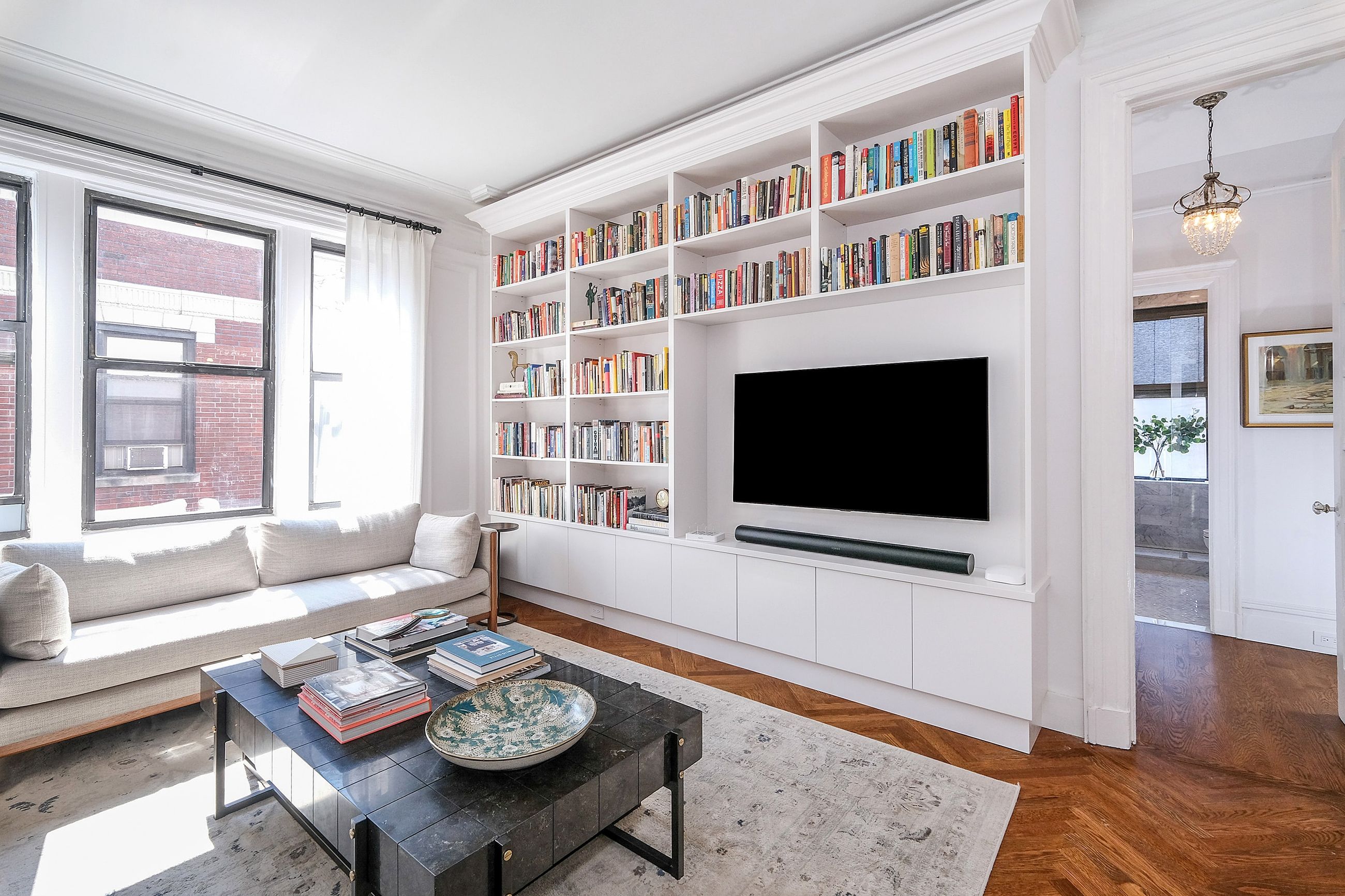
For custom millwork in a NYC apartment, a general contractor, carpenter, or interior designer makes the most sense. These craftsmen focus on the intricate detail the work demands, with the precision it calls for, where an architect or design-build firm would bring a broader scope than a single specification requires.

[#Design]Design Only[#Design]
Most Effective Approach To The Job: Interior Designer or Interior Decorator
For a design-only project, an interior designer is the preferable choice, with expertise focused on crafting spaces with purpose. Interior designers excel at curating furnishings, color, and layout to create a personalized atmosphere, a specialized focus well suited to projects without structural change. Depending on what needs updating, an interior architect or an interior decorator may be the better fit. For more on the distinctions, read Interior Design Architect Vs Interior Designer: What's The Difference? and What's The Difference Between An Interior Designer And Interior Decorator?.
| Professional | What They Handle | Who Manages | Best Suited To |
|---|---|---|---|
| Design-Build Firm | Design, architecture, permitting, and construction together | One team, in-house | Full renovations, combinations, and gut projects |
| Architect | Design and drawings, with construction bid out separately | Architect, then you | Complex design where you coordinate the build |
| General Contractor | Construction of a defined scope of work | You | Single-room remodels without structural change |
| Interior Designer | Layout, finishes, and furnishings within a space | You, with the build | Design-led updates and single-room projects |
| Carpenter | Custom millwork and built-in fabrication | You | Standalone millwork specifications |
| Interior Decorator | Color, furnishings, and styling, without construction | You | Design-only refreshes of a finished space |
[#Conclusion]Conclusion[#Conclusion]
Across a full overhaul, a kitchen or bathroom upgrade, an apartment combination, a gut renovation, or a single-room transformation, the choice among design-build firms, architects, contractors, and interior designers comes down to the scope and goals of the project.
Considering a full apartment renovation in New York City? View our portfolio of apartment renovations in Manhattan or Brooklyn, learn more about Gallery, or contact us today. We are a New York Times-featured design-build firm in New York City with a full-service approach to Big Apple renovations that includes everything from interior design and architecture services to filing permits and construction management. We’re experts in pre-war apartment renovations, apartment combinations, room creations, full gut renovations and all that falls in between. Let us bring your dream home to life.
Gallery KBNY is a full-service design-build firm featured in The New York Times, specializing in the architecture, interior design, and renovation of apartments, co-ops, condominiums, townhomes, and lofts across Manhattan and Brooklyn. Our integrated team of architects, designers, contractors, and project managers manages every phase from board approvals and DOB permitting through design and construction. A founding partner is involved in every project, start to finish. Because architecture, design, permitting, and construction are coordinated under one roof, the process remains streamlined, accountable, and transparent from start to finish. Our work has also appeared in Forbes, Architectural Digest, and Inc., and is backed by 100+ five-star client reviews.
[#faq]Frequently Asked Questions About Choosing A Contractor For Your NYC Renovation[#faq]
How does the cost of an architect-led project compare with a design-build firm for a full renovation?
An architect typically charges a design fee, often a percentage of construction cost, and then the build is bid out and contracted separately, which adds a layer of coordination and cost. A design-build firm prices design and construction as one engagement, so the figure tends to be clearer earlier and the two sides are accountable to the same budget. For a comprehensive renovation, that integration often makes design-build the more cost-predictable route.
Who files DOB permits and manages board approval under each approach?
With a design-build firm, the filings, the board package, and the alteration agreement are handled in-house as part of the engagement. With an architect plus a separate contractor, the architect usually prepares and files the drawings while the owner or contractor coordinates the rest. A standalone contractor or designer generally expects the owner to drive the approvals, so confirming who owns that work is worth doing before signing.
Does a single-room kitchen or bathroom renovation still require board approval and an alteration agreement?
In most co-ops and many condos, yes. Wet-area work, plumbing, and electrical changes typically fall under the alteration agreement even for a single room, with insurance certificates and work-hour rules attached. The scope is smaller than a full renovation, though the building's process still applies, which is one reason a professional experienced with board requirements is worth engaging even for a contained project.
Can I start with an interior designer and bring in a design-build firm if the scope grows?
Yes, and it happens often as a project's ambitions expand from finishes toward layout or structural change. The cleanest transition keeps the design intent intact while the firm's architects and builders take on feasibility, permitting, and construction. Bringing the design-build team in earlier rather than later tends to save rework, since some decorative decisions shift once structural and mechanical realities are confirmed.
When does a contractor or designer need an architect's stamped drawings?
Stamped drawings from a registered architect or engineer are generally required once work alters structure, changes egress, moves wet areas, or otherwise triggers a DOB filing. A purely cosmetic update within the existing layout often proceeds without them. A design-build firm carries that architectural capability in-house, while a standalone contractor or designer brings in a separate professional when the scope calls for it.
With several design-build firms to choose from, how do I tell them apart?
Look at completed work in buildings and at a finish level comparable to yours, the firm's experience with board approvals and pre-war or landmarked properties, and how the proposal handles inclusions, exclusions, and pre-construction investigation. The clarity of early communication tends to predict the working relationship. Verified reviews and recognized credentials add further confidence.
Manhattan Design-Build
Evaluate Your Manhattan Apartment
Before You Buy
Buying an apartment you plan to renovate? A founding partner walks it with you during the contract period and maps the scope, cost, and timeline, so you know exactly what you're taking on before you sign.
As seen in
Pre-Purchase Assessment
Walk the apartment with us first and understand the full scope, cost, and timeline before you close.
or call us directly
let’s
Design-Build
together