.avif)


.png)
.png)


NYC Kids' Room Design: How to Combine Storage, Study, and Play in a Small Apartment
Discover the art of converting a NYC apartment's kids' room into a versatile safe space, harmonizing storage, study, and play in a space-efficient manner.
May 24, 2026
|
NYC Kids' Room Design: How to Combine Storage, Study, and Play in a Small Apartment
How NYC parents can combine storage, study, and play in a small kids' bedroom. Cost ranges, space allocation, color and lighting, and kid-safe material specs from Gallery KBNY.
TABLE OF CONTENTS
- Custom Construction and Furniture: Maximizing Space with Style
- Creative Theme-Based Room Designs for Kids
- Innovative Play Area Solutions for Children’s Bedrooms
- Lighting and Color Schemes: Setting the Mood
- Eco-Friendly and Safe Material Choices
- Frequently Asked Questions About Kids Room Design In NYC Renovations
Living in NYC with a young family and growing into your space is not always easy to navigate. Nowhere is this challenge more evident than in the realm of children's rooms, where the need for storage, study, and play areas often competes for every available square inch. For those with less square footage than they’d like in their NYC apartment, a child's room must serve as not just a sanctuary for rest, but a dynamic hub for creativity, learning, and organization.
The average NYC apartment is roughly two-thirds the size of a typical American home, and individual kids' bedrooms often run under 120 square feet. That constraint forces a single room to handle four jobs at once: sleep, study, storage, and play. In NYC, building a kids' room that holds all four without feeling cluttered is not a luxury. It's a baseline requirement.
Why Multifunctional Kids' Rooms Are Non-Negotiable in NYC
| Space Metric | Typical NYC Apartment | U.S. National Average |
|---|---|---|
| Average total apartment size | 700 to 900 sq ft | 1,100 to 1,200 sq ft |
| Typical kids' bedroom footprint | 80 to 120 sq ft | 150 to 200 sq ft |
| Usable ceiling height (pre-war stock) | 9 to 11 ft | 8 ft (standard) |
| Closet square footage per bedroom | 4 to 8 sq ft | 15 to 25 sq ft |
| Functions a kids' room must serve | 4 (sleep, study, storage, play) | 2 to 3 (sleep, play) |
Join us as we explore the art of transforming your kid’s bedroom in a NYC apartment to a versatile home base they can flourish in for years to come.
[#Custom]Custom Construction and Furniture: Maximizing Space with Style[#Custom]
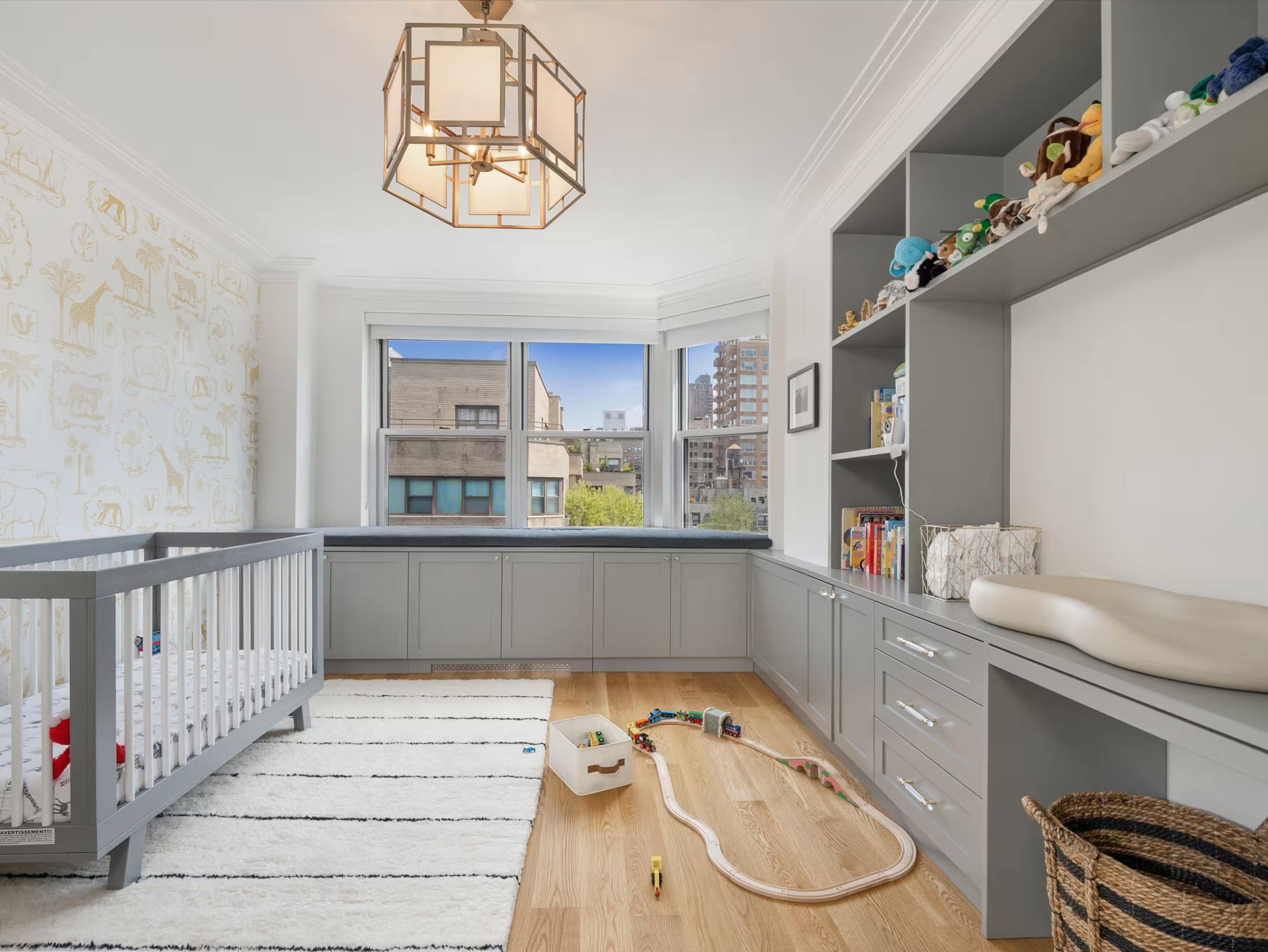
When considering how to turn your children’s bedroom into a play haven they can proudly call their own, one of the best ways to leverage space is with custom construction and furniture. Offering practical spatial solutions and evergreen eye appeal, customization in your children’s room will elevate the space exponentially with vertical advantages and superior storage solutions.
Custom Millwork
Custom millwork provides an ideal answer for utilizing space effectively while adding a sense of sophistication to your New York City apartment. Built-in shelving provides ample storage for toys, books, and other essentials, while under-bed storage units optimize floor space. Closet organization systems can be tailored to your child's needs, ensuring every inch of available space is utilized efficiently. With custom woodwork, you can achieve a seamless integration of functionality and aesthetic appeal, elevating the design of your kid's room to new heights.
Custom Furniture Bunk-Beds
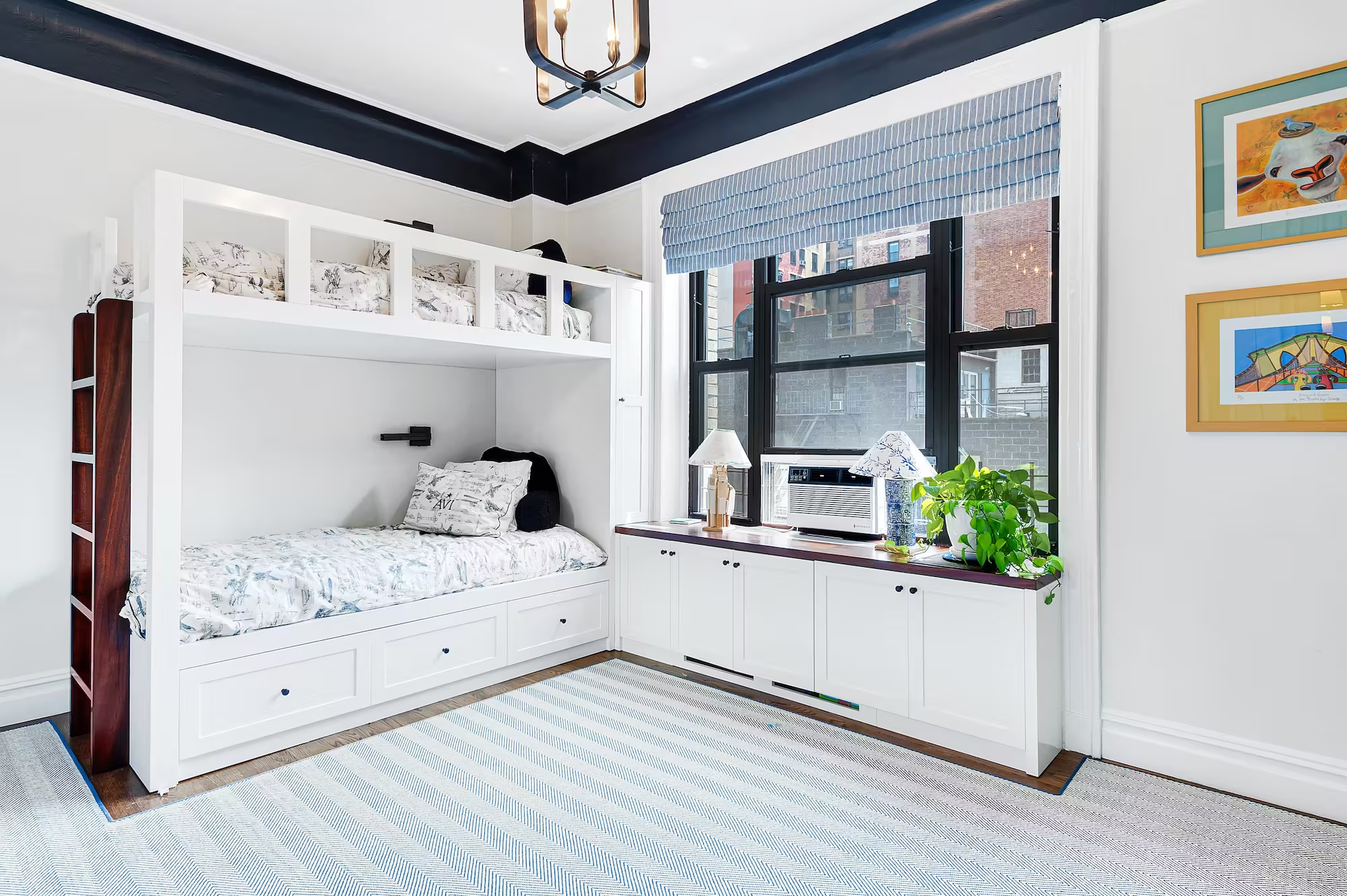
For families with multiple kiddos, bunk beds are a popular choice in NYC apartments, offering both practicality and charm. While some might feel these spacious double-decker beds are visually taxing, there are many innovative bunk bed designs that prioritize safety and functionality without compromising style. Built-in storage compartments and study spaces make the most of vertical space, providing designated areas for play and learning. With custom bunk bed solutions, you can create a cozy and inviting atmosphere your children will love, while also optimizing space for other activities.
Custom Storage Solutions
In a city where every square foot counts, innovative storage solutions are essential for keeping clutter at bay and maintaining a sense of sanity. Thankfully, there are a wide range of kid-friendly custom storage solutions designed to maximize space and minimize chaos. Vertical space utilization is key, with custom shelving units and wall-mounted organizers offering efficient storage. Multifunctional furniture, such as storage ottomans and convertible beds, serve dual purposes, adding function without sacrificing style.
Custom Desk Construction
A dedicated study area is essential for fostering a productive learning environment in your child's room. Space-efficient built-in desk designs optimize available space, with options for significant storage and adjustable features. Explore customizable desk solutions that can adapt to your child's evolving needs, from elementary school homework to high school projects. With a custom-built desk, you can create a designated workspace that promotes concentration and creativity, setting the stage for success in school and beyond.
NYC Custom Kids' Room Build-Out: Investment Ranges
| Custom Feature | Typical NYC Investment | What Drives the Range |
|---|---|---|
| Built-in millwork wall (floor-to-ceiling) | $8,000 to $25,000 | Linear footage, wood species, integrated lighting, finish grade |
| Custom bunk bed with integrated storage and study nook | $6,000 to $18,000 | Ladder vs. stair access, drawer count, desk integration, railing detail |
| Closet build-out with adjustable systems | $3,500 to $9,000 | Hardware system, drawer fronts, soft-close mechanisms |
| Built-in desk with shelving | $2,500 to $7,500 | Width, materials, cable management, integrated task lighting |
| Under-bed storage drawers (built-in platform) | $1,800 to $4,500 | Drawer count, slide hardware, panel finish |
| Full custom kids' room, complete build-out | $25,000 to $60,000+ | All of the above as integrated package within a renovation |
.jpg)
[#Theme]Creative Theme-Based Room Designs for Kids[#Theme]
While most rooms in your home are designed to fall within the overall aesthetic, the kid’s room may be an exception. In order to let their imagination flourish and give them their own sense of individuality, consider overarching design themes for the children’s bedroom. However, remember not to go overboard. The cartoon-character bedroom your seven-year-old begs for today is the bedroom your seven-year-old refuses to sleep in three years from now.
Exploring Theme-Based Design Elements
Consider the interests and passions of your child when selecting a theme for their room. Whether they dream of embarking on epic adventures, exploring enchanted forests, or hitting a buzzer beater, there's a theme to suit every imagination. Integrate design elements inspired by the chosen theme into furniture, tasteful wall art, and practical accessories to create a cohesive and immersive environment.
Balancing Theme With Functionality
As mentioned in our blog Interior Design Trends For 2026, it’s vital to create a practical space for growing children that can evolve with their interests over time. While embracing a thematic design is exciting, it's essential to strike a balance between aesthetic appeal and functional requirements. For instance, furniture pieces can be visually appealing, but it’s more important they’re also practical and space-saving. Murals and artwork can be fun, but ensure they’re not based around something your children will phase out of by year’s end. Opt for a theme that not only makes sense now, but long-term.
Maintaining Style and Sophistication
Elevate the design of your child's room by incorporating sophisticated touches that complement the chosen theme. Choose high-quality materials and finishes for furniture and accessories, ensuring the durability required to withstand years of rough and rugged play. Integrate timeless design elements, such as elegant lighting fixtures or plush area rugs, to add a touch of refinement to the space. By marrying thematic elements with timeless style, you can create a room that not only delights your child but also reflects the thought behind your home.
[#Innovative]Innovative Play Area Solutions for Children’s Bedrooms[#Innovative]
Crafting an inviting play space in cramped quarters poses distinctive hurdles for NYC parents. However, by thinking outside the box, there are several approaches to optimize the use of space in your child's bedroom, effortlessly blending play and educational elements to create dynamic and orderly play zones that encourage both creativity and growth.
Organizing Toys and Play Materials
Parents know how quickly messes can materialize, so organizing the chaos that comes with creativity in a compact and accessible manner is essential for maintaining a tidy and functional play area. Utilize vertical space with wall-mounted shelves or hanging organizers to keep toys off the floor and within reach. Invest in storage bins or baskets that can be easily labeled and stacked to streamline cleanup routines.
Incorporating Educational Elements
Incorporating educational elements into the play area enriches your child's playtime experience and fosters cognitive development. Integrate interactive games and activities encouraging problem-solving, creativity, and critical thinking skills. Instead of bare walls, display educational posters or artwork that spark curiosity and ignite imagination. Create designated learning corners with child-sized desks or tables where your little one can engage in arts and crafts, puzzles, or STEM activities. By seamlessly blending play and learning, you can create a stimulating environment that nurtures discovery.
How to Allocate a 100 Sq Ft NYC Kids' Room
A practical allocation framework Gallery KBNY uses when designing NYC kids' rooms. The bed and play zones share floor area through vertical stacking; storage and study integrate into the perimeter.
| Zone | Target Footprint | Vertical Stacking Strategy |
|---|---|---|
| Sleep | 30 to 40 sq ft | Loft bed or bunk frees floor below for study or play |
| Play | 20 to 30 sq ft | Shared floor below loft bed; rug-defined zone |
| Storage | 15 to 25 sq ft | Perimeter built-ins floor to ceiling; under-bed drawers |
| Study | 12 to 18 sq ft | Built-in desk under loft bed or against window wall |
| Circulation | 5 to 8 sq ft | Clear walking paths to door, closet, and window |
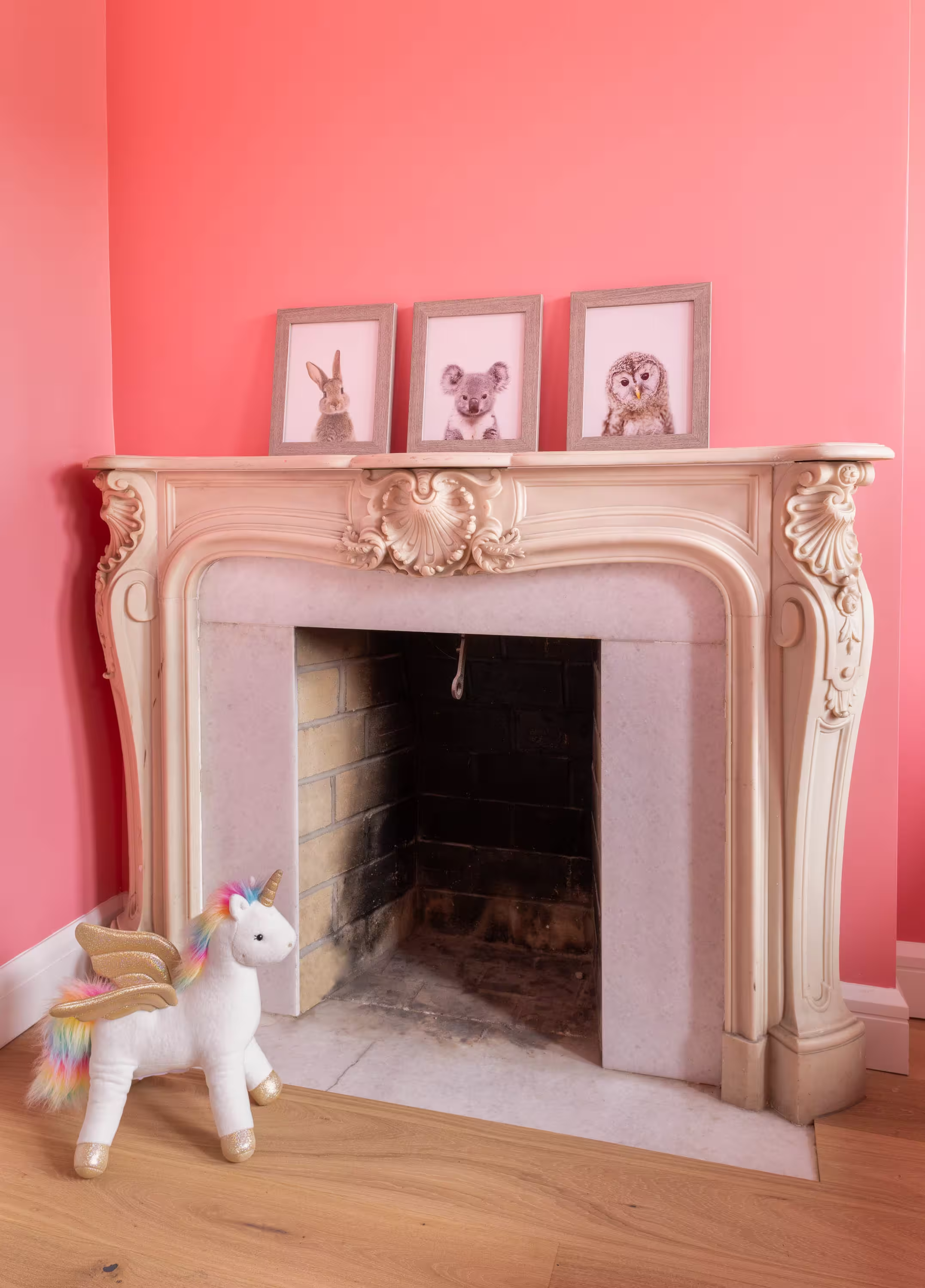
[#Mood]Lighting and Color Schemes: Setting the Mood[#Mood]
Lighting and color play a pivotal role in transforming a NYC apartment's kids room into a multifunctional oasis that caters to study, rest, and play. By implementing innovative lighting solutions and carefully curated color schemes, you can create a harmonious environment that fosters creativity, relaxation, and productivity.
Creating a Conducive Environment with Lighting
Effective lighting design is essential for establishing different zones within the kids' room, each serving a specific purpose. Task lighting, such as adjustable desk lamps or pendant lights, illuminates study areas, providing ample brightness for focused work. Soft, diffused lighting sources, like wall sconces or floor lamps, promote relaxation and bedtime routines, creating a calming ambiance conducive to restful sleep. Incorporating smart lighting solutions, such as dimmable LEDs and color-changing bulbs, offers versatility and flexibility, allowing you to adjust the mood of the room with ease.
Vibrant Yet Calming Color Schemes
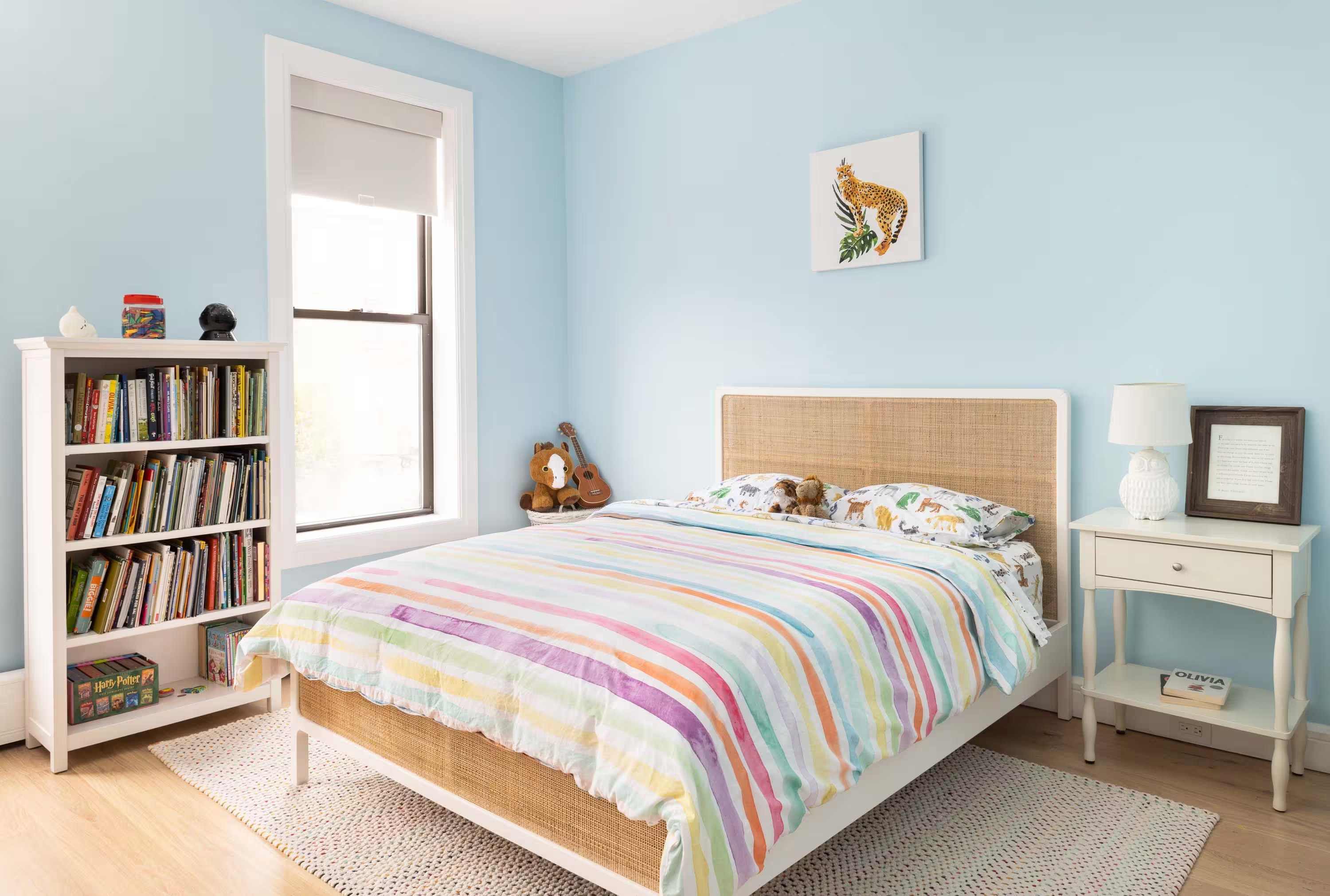
Choosing the right color scheme is crucial for setting the mood and atmosphere of the kids' room. Opt for vibrant yet calming hues, such as soft pastels or muted neutrals, that evoke a sense of tranquility and warmth. Incorporate pops of color through accent pieces, such as bedding, rugs, and artwork, to inject personality and visual interest into the space. Consider the psychological effects of different colors, like cool tones like blue and green promote relaxation, while warm tones like yellow and orange stimulate creativity and energy.
Utilizing Smart Lighting Solutions
Smart lighting solutions offer unparalleled convenience and customization, allowing you to tailor the lighting ambiance to suit various activities and preferences. Dimmable LEDs enable you to adjust the brightness levels throughout the day, from bright and invigorating during study sessions to soft and soothing during bedtime routines. Color-changing bulbs add a playful element to the room, allowing you to create dynamic lighting effects that reflect your child's mood or the theme of the space. By harnessing the power of smart lighting tech, you can enhance the functionality and aesthetics of the kids' room while creating a sense of comfort and well-being. For more smart home ideas, read our blog Renovations & Technology: 10 Smart Home Remodeling Ideas.
Color and Lighting by Zone: A Designer's Quick Reference
| Zone | Recommended Color Family | Lighting Type | Color Temperature |
|---|---|---|---|
| Sleep area | Soft blues, sage greens, warm neutrals | Wall sconces with dimmer, low-glare reading light | 2,200K to 2,700K (warm) |
| Study area | Cool greys, pale blue, off-white | Adjustable task lamp, even ambient overhead | 4,000K to 5,000K (neutral to cool) |
| Play area | Warm accents: soft yellow, coral, terracotta | Bright ambient flood; color-changing accent | 3,000K to 4,000K |
| Storage and millwork | Match wall color or natural wood tone | Integrated LED strips inside cabinetry | 2,700K to 3,000K |
| Ceiling and accent | White ceiling or one bold feature wall | Flush mount or recessed; smart scenes | Tunable 2,700K to 5,000K |
[#Choices]Eco-Friendly and Safe Material Choices[#Choices]
Whether you’re revamping the kids room in your NYC apartment from scratch or along the way, prioritizing eco-friendly and safe material choices is paramount. From decor to paint choices, selecting health-conscious materials and kid-appropriate furniture not only promotes a healthy environment but also ensures the well-being of your little ones.
Recommendations for Sustainable and Safe Materials
As mentioned in our blog 3 Tricks For A Kid-Friendly Kitchen Remodel, when selecting materials during any renovation, prioritize sustainable options that are free from potential chemicals and allergens. This is especially the case in your kid’s room. Consider low-VOC or zero-VOC paint options for walls and decorations, ensuring a clean and breathable indoor air quality. Look for furniture made from responsibly sourced wood or bamboo, finished with non-toxic, water-based paints or stains. Choose organic bedding and textiles made from natural fibers, such as organic cotton or linen, to minimize exposure to pesticides and synthetic dyes.
Ensuring a Healthy and Allergy-Free Environment
In addition to choosing eco-friendly materials, there are other factors to consider for maintaining a healthy and allergy-free environment in the kids' room. Opt for washable, hypoallergenic rugs and curtains that can easily be cleaned to remove dust and allergens. Use air purifiers and humidifiers to improve indoor air quality and regulate humidity levels, reducing the risk of respiratory issues and allergies. Consider incorporating natural ventilation by installing exhaust fans, which promote air circulation and reduce indoor pollutants.
Kid-Safe Material Specs: What to Ask Your Renovation Team For
| Material Category | Specification to Request | Certification to Look For |
|---|---|---|
| Wall paint | Zero-VOC or under 5 g/L VOC content | Green Seal GS-11, Greenguard Gold |
| Millwork and cabinetry | FSC-certified hardwood; no added urea-formaldehyde | FSC, CARB Phase 2, NAF compliant |
| Wood finishes and stains | Water-based, low-VOC sealants | Greenguard Gold |
| Flooring (wood) | Pre-finished engineered or solid with low-VOC adhesive | FloorScore, FSC |
| Flooring (resilient) | Natural cork or linoleum; phthalate-free | FloorScore, Cradle to Cradle |
| Area rugs and textiles | Natural fiber, undyed or low-impact dye, machine washable | OEKO-TEX Standard 100, GOTS |
| Mattress and bedding | Organic cotton or wool fill; no flame-retardant chemicals | GOTS, GOLS, CertiPUR-US |
| Adhesives and caulking | Low-VOC, no phthalates | Greenguard Gold, SCS Indoor Advantage Gold |
Conclusion
A NYC kids' room that works is a planning problem before it's a design problem. The square footage is fixed; the demands on the room only grow. Built-in millwork, vertical stacking, zoned lighting, and kid-safe materials are the four levers that turn a 100-square-foot bedroom into a room that supports sleep, study, storage, and play simultaneously...and keeps doing it as your child grows.
Considering an apartment renovation in New York City and need help conceptualizing the kids room? View our portfolio of NYC apartment renovation before and afters, learn more about Gallery, or contact us today.
We are a New York Times-featured design-build firm in New York City with a full-service approach to renovations in Manhattan and Brooklyn that includes everything from interior design and architecture services to filing permits and construction management. We’re experts in pre-war apartment renovations, apartment combinations, room creations, full gut renovations and all that falls in between. Let us bring your dream home to life.
Gallery KBNY is a full-service design-build firm featured in The New York Times, specializing in the architecture, interior design, and renovation of apartments, co-ops, condominiums, townhomes, and lofts across Manhattan and Brooklyn. Our integrated team of architects, designers, contractors, and project managers manages every phase from board approvals and DOB permitting through design and construction. A founding partner is involved in every project, start to finish. Because architecture, design, permitting, and construction are coordinated under one roof, the process remains streamlined, accountable, and transparent from start to finish. Our work has also appeared in Forbes, Architectural Digest, and Inc., and is backed by 100+ five-star client reviews.
[#FAQ]Frequently Asked Questions About Kids Room Design In NYC Renovations[#FAQ]
Why do NYC kids' rooms need to serve multiple functions?
The average NYC apartment is roughly two-thirds the size of a typical American home, and individual kids' bedrooms often run under 120 square feet. That constraint forces a single room to handle four jobs at once: sleep, study, storage, and play. In a larger home each function might get its own space, though in a NYC apartment they share a fixed footprint that grows more demanding as a child ages. Designing the room to hold all four without feeling cluttered is a baseline requirement, and it is a planning problem before it is a decorating one, since the square footage is set and the demands on it only increase.
How does custom millwork help maximize a small kids' room?
Custom millwork is the most effective way to use every inch of a compact room while keeping it refined. Built-in shelving stores toys, books, and essentials without the bulk of freestanding furniture, and under-bed storage units reclaim floor space that would otherwise go unused. Closet organization systems can be tailored to a child's specific needs, and a built-in desk fits a study zone into space a standalone desk could not. Because millwork is fabricated to the room's exact dimensions, it integrates storage, study, and display seamlessly, which is what allows a small room to carry so many functions without reading as crowded.
How can vertical space be used in a NYC kids' room?
Vertical space is where a small room gains capacity. Custom bunk beds with built-in storage compartments and study nooks stack sleeping and other functions to free up floor area for play. Wall-mounted shelves and hanging organizers keep toys off the ground and within a child's reach. Tall shelving units and closet systems extend storage upward rather than outward. The underlying principle is that the bed and play zones can share floor area through vertical stacking, while storage and study integrate into the room's perimeter, which is how a footprint under 120 square feet supports all four functions at once.
How do you design a themed kids' room that will not need frequent redoing?
The key is choosing a theme that can evolve with the child rather than one tied to a passing interest. A cartoon-character room a seven-year-old requests today is often the room the same child refuses within a few years, so the more durable approach draws on broader interests that mature well. Theme elements are best expressed through furniture, tasteful wall art, and accessories that can be swapped, keeping permanent finishes neutral rather than committed to a single phase. Pairing the theme with high-quality, timeless materials and considered lighting keeps the room sophisticated and adaptable, so it delights the child now and holds up as tastes change.
How should a small kids' room be allocated across its functions?
A practical allocation treats the room's fixed square footage as zones that overlap where possible. The bed and play areas can share floor space through vertical stacking, with a raised or bunk bed opening the area beneath for activity or storage. Storage and study integrate into the perimeter, using built-in shelving and a wall-mounted or built-in desk so neither consumes central floor area. For a room around 100 square feet, this zoning is what lets sleep, study, storage, and play coexist. Planning the allocation before finishes are selected ensures the layout drives the design rather than the reverse.
How should lighting be planned in a multifunction kids' room?
Lighting should establish distinct zones, each matched to its purpose. Task lighting, such as an adjustable desk lamp or a pendant, illuminates the study area with the brightness focused work requires. Soft, diffused sources such as wall sconces or a floor lamp support relaxation and bedtime with a calmer ambiance. Smart lighting adds flexibility, with dimmable LEDs that shift from bright during study to soft at bedtime and color-changing bulbs that bring a playful element. Layering these sources by zone is what allows one room to move between focused work, active play, and rest without compromise.
What colors work best in a NYC kids' room?
The goal is a palette that feels vibrant yet calm. Soft pastels and muted neutrals establish a tranquil, warm base, with pops of color introduced through accent pieces such as bedding, rugs, and artwork so personality can shift without repainting. Color psychology is worth considering, since cooler tones like blue and green encourage relaxation while warmer tones like yellow and orange stimulate creativity and energy. Balancing a calm foundation with energetic accents gives the room the flexibility to support both rest and play, and keeping the bold choices in swappable elements makes the scheme easy to update as the child grows.
What materials keep a kids' room healthy and safe?
Material selection has a direct effect on air quality and safety in a child's room. Low-VOC or zero-VOC paints keep indoor air clean and breathable. Furniture made from responsibly sourced wood or bamboo, finished with non-toxic, water-based paints or stains, avoids the off-gassing of cheaper alternatives. Organic bedding and textiles in natural fibers such as cotton or linen reduce exposure to pesticides and synthetic dyes. Beyond materials, washable hypoallergenic rugs and curtains, air purifiers, and adequate ventilation help maintain an allergy-free environment. Specifying these health-conscious choices at the material stage is what protects the room's occupant over the long term.
Manhattan Design-Build
Evaluate Your Manhattan Apartment
Before You Buy
Buying an apartment you plan to renovate? A founding partner walks it with you during the contract period and maps the scope, cost, and timeline, so you know exactly what you're taking on before you sign.
As seen in
Pre-Purchase Assessment
Walk the apartment with us first and understand the full scope, cost, and timeline before you close.
or call us directly
let’s
Design-Build
together