.avif)


.png)
.png)


Purchasing An Apartment In NYC and Looking to Renovate? Here's What You Need To Know
Get an expert point of view on best practices when buying in New York City with plans to renovate.
June 22, 2026
|
.jpeg)
Purchasing An Apartment In NYC and Looking to Renovate? Here's What You Need To Know
Buying residential in New York City doesn't come easy, so make sure to consider all angles when renovating your new property.
Table of Contents
- Common NYC Renovation Misconceptions Debunked
- Identifying Potential Pain Points
- Hiring The Right Professionals
- Budgeting For Your Renovation
- FAQs: Buying And Renovating In New York City
Purchasing a new home in New York City is both thrilling and daunting. While investing in your dream home offers peak excitement, fierce competition and distinct purchasing factors make the process far from straightforward. Plus, the prospect of renovating adds a layer of complexity.
Before you get overwhelmed, read as we demystify the renovation process for new buyers, helping to alleviate common anxieties and empower you with the knowledge needed to navigate your renovation with clarity and confidence. Join us as we review the ins and outs of renovating amidst NYC's rigid real estate landscape, providing tangible tips for specific issues and practical insights into potential pain points. After all, renovating your prized real estate shouldn’t feel like a chore, rather an opportunity to find peace of mind within the home you’ve always imagined.
[#Debunked]Common NYC Renovation Misconceptions Debunked[#Debunked]
Misconception #1: All Renovations Increase Property Value Equally
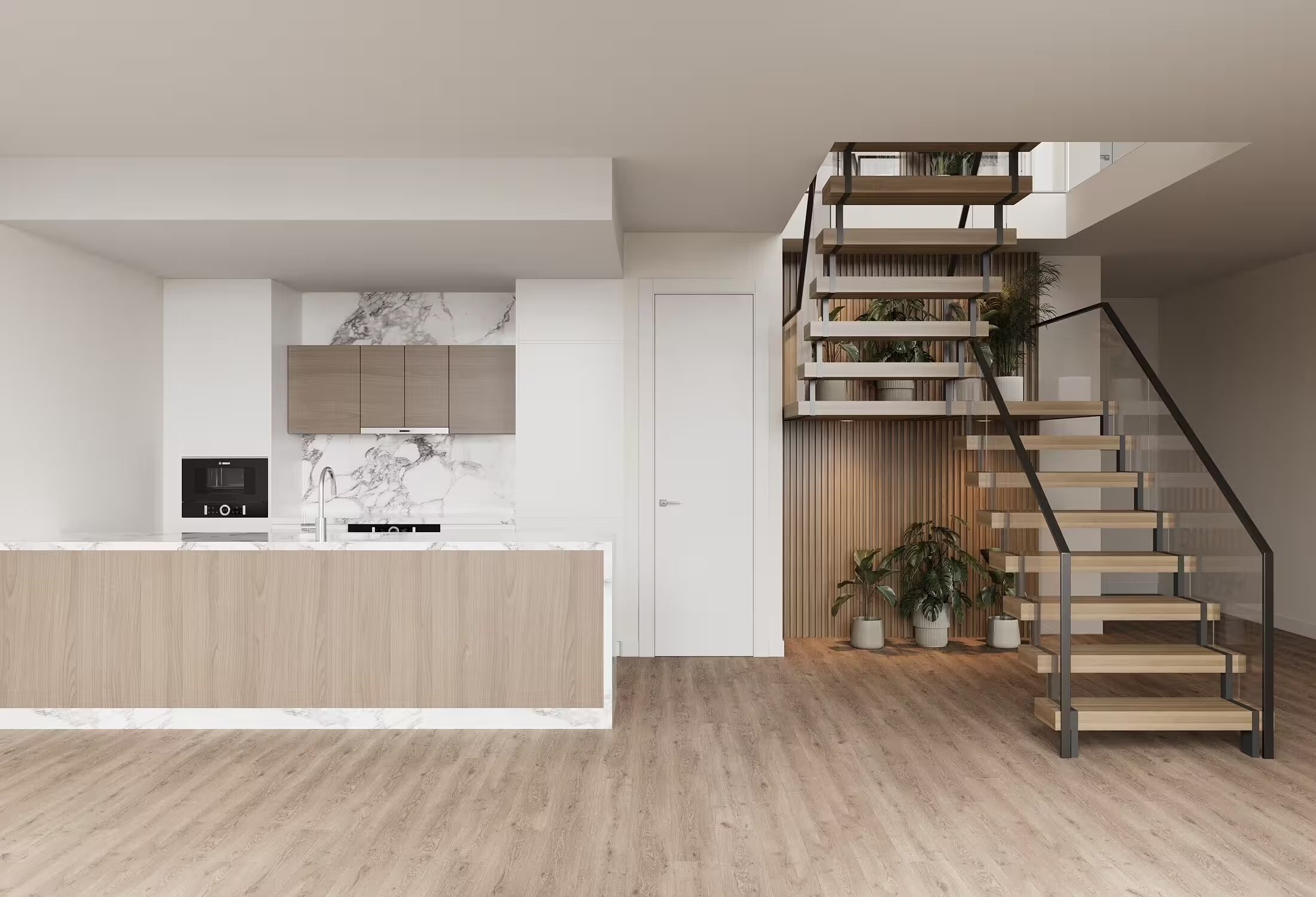
While renovations can indeed enhance the appeal and functionality of your NYC property, not all improvements yield the same return on investment. Market demand and the quality of workmanship are crucial factors that influence the value added by renovations. As mentioned in our blog 15 Facts & Stats To Consider Before Renovating, high-demand features such as updated kitchens and bathrooms often provide a higher return compared to niche upgrades. Additionally, poorly executed renovations can detract from the property's value and appeal to potential buyers. If budget is a factor, new buyers should carefully assess the potential impact of renovations on property value and prioritize projects according need over want.
Renovation ROI by Improvement Type
Not all NYC renovations return value at the same rate. Two units in the same building, renovated to the same budget, can land in very different resale brackets depending on what was prioritized. The hierarchy below reflects what NYC buyers actually pay for at resale.
Return tier
High Return
Typical improvements
Why it pays
Kitchens and bathrooms drive the resale comparable in nearly every Manhattan and Brooklyn building. Quality workmanship and current finishes are universally legible to buyers and brokers; demand is not dependent on personal taste.
Return tier
Moderate Return
Typical improvements
Why it pays
Improvements that read as quality without being style-specific. Buyers notice them on a walkthrough but rarely pay a premium beyond the obvious lift. Best deployed alongside kitchen and bathroom work, not in place of it.
Return tier
Low Return
Typical improvements
Why it pays less
Highly personal or niche features narrow the buyer pool. Quality may be excellent, but the value is tied to a specific lifestyle. Poor execution in any tier subtracts value rather than adds it.
Source: Gallery KBNY renovation project data on Manhattan and Brooklyn apartments. Return tiers reflect typical resale lift; actual ROI varies by building, neighborhood, and condition at sale. For more on cost benchmarks, see our NYC renovation costs per square foot guide.
Misconception #2: The Permit Process is Simple and Straightforward
Navigating the permit process in New York City can be complex and time-consuming. From submitting applications to obtaining approvals, the rigid routine involves navigating bureaucratic hurdles and adhering to strict timelines. For those new to the market, attempting to navigate the permit process independently can lead to delays, fines, and even project setbacks. For smooth compliance with building codes and streamlined approvals, seek professional assistance from architects, engineers, and permit expeditors - or simply enlist a design-build firm who handles all board approvals and permitting as part of their all-inclusive renovation process.
Misconception #3: Exterior Alterations Are Easily Approved
Contrary to popular belief, obtaining approval for exterior alterations, especially in landmarked or historic buildings, can be a challenging task. Since landmark preservation regulations aim to protect the architectural integrity and historical significance of these NYC staples, there are strict guidelines on exterior modifications. However, with the right expertise and assistance, even the most difficult approvals can become attainable. Ask the Gallery team. For our gut renovation of a landmarked brownstone in Carroll Gardens, all updates had to be approved by the Landmarks Preservation Committee - including adjustments to the front door. Since the dated door wasn’t worth updating in full and possibly wouldn't be approved by the landmark committee, we created a templated new door that matched the old historic door perfectly, which we then painted a landmark-friendly constitutional blue to earn our LPC approval.
The Real Approval Path for Landmarked or Exterior Work
For most NYC interior renovations, approvals flow through the DOB and the building board. Landmarked buildings and exterior alterations add a third body to the stack. Each body has its own scope, its own review cycle, and its own ability to require revisions. The map below traces what each one governs and what it adds to the schedule.
Body 01
LPC
Landmarks Preservation Commission
What it governs
Any alteration to a landmarked building's exterior or to interior features designated as protected. This includes facades, doors, windows, cornices, ironwork, and approved color palettes. The LPC reviews and approves before any DOB filing can move forward.
Adds to schedule
Weeks to monthsComplex exterior work or full facade approval reaches the upper end.
Body 02
DOB
NYC Department of Buildings
Building permits, plumbing permits, electrical permits, code compliance, and final inspections. The DOB processes filings, schedules inspections, and verifies all work is completed to code. For landmarked buildings, DOB filings reference the LPC's approval as a prerequisite.
Adds to schedule
WeeksDriven by completeness of the filing and current borough volume.
Body 03
Co-op or Condo Board
Building governance
The alteration agreement, contractor insurance, security deposit, and a board vote on the proposed renovation plans. Tied directly to the board's meeting schedule, which is typically monthly or bimonthly. Co-ops require a vote; many condos require management sign-off only.
Adds to schedule
4 to 10 weeksCo-ops sit at the upper end. Missing a meeting cutoff doubles it.
Non-landmarked interior
DOB + Board Only
When the building is not landmarked and the work is fully interior, the LPC layer drops out entirely. Approvals run through the DOB and the building board on a parallel track, materially compressing the pre-construction schedule.
Source: Gallery KBNY renovation experience on landmarked and non-landmarked buildings in Manhattan and Brooklyn. For a deep-dive on landmark approvals, see our guide to landmark renovations in NYC.
.avif)
[#Points]Identifying Potential Pain Points[#Points]
Budget Constraints
As you can imagine, renovation costs in NYC may escalate quickly due to factors like high-priced labor, expensive materials, and unforeseen issues resulting from dated structures. For new buyers, it's crucial to establish a realistic budget and contingency fund to cover unexpected costs. Working with a knowledgeable renovation firm and conducting thorough research up front in the planning process will help mitigate budget overruns.
Regulatory Hurdles
As mentioned above, dealing with city permits and compliance regulations can be a major pain point for renovating in NYC. The city has strict building codes and zoning regulations that must be followed, and obtaining permits can be a time-consuming and complex process. New buyers need to understand certain preferences may be limited due to regulatory red tape. To avoid those issues and proactively plan accordingly, we highly recommend speaking with your potential renovation partner before cementing any details.
Hidden Structural Issues
As discussed in our blog Common Surprises When Renovating A NYC Apartment, updates to older buildings in NYC may uncover hidden structural issues that can significantly impact the scope and cost of your project. Common issues include water damage, foundation problems, and outdated electrical or plumbing systems. Conducting a thorough inspection of the property before purchasing can help mitigate the risk of unexpected structural issues arising during the renovation. A design-build firm will uncover these issues during their preliminary walk-through and handle accordingly in-house, without you lifting a finger. However, if managing the project yourself, find an experienced structural engineer or building inspector who can provide valuable insights into the condition of the property and help identify potential issues early.
Contractor Availability
As New Yorkers perpetually aim for their deluxe apartment in the sky, securing reliable contractors in NYC's competitive real estate market can be challenging. Demand for skilled labor often exceeds supply, leading to long wait times and scheduling conflicts. If a renovation is in your future and any pain points above resonate, start vetting potential renovation firms ASAP, before their schedule is full and you’re left leaning on less-reliable contractors for jobs that are over both your heads. Building a good relationship with the contractor and maintaining open communication throughout the project will mitigate potential issues.
[#Pros]Hiring The Right Professionals[#Pros]
Advantages of an Integrated Design-Build Firm
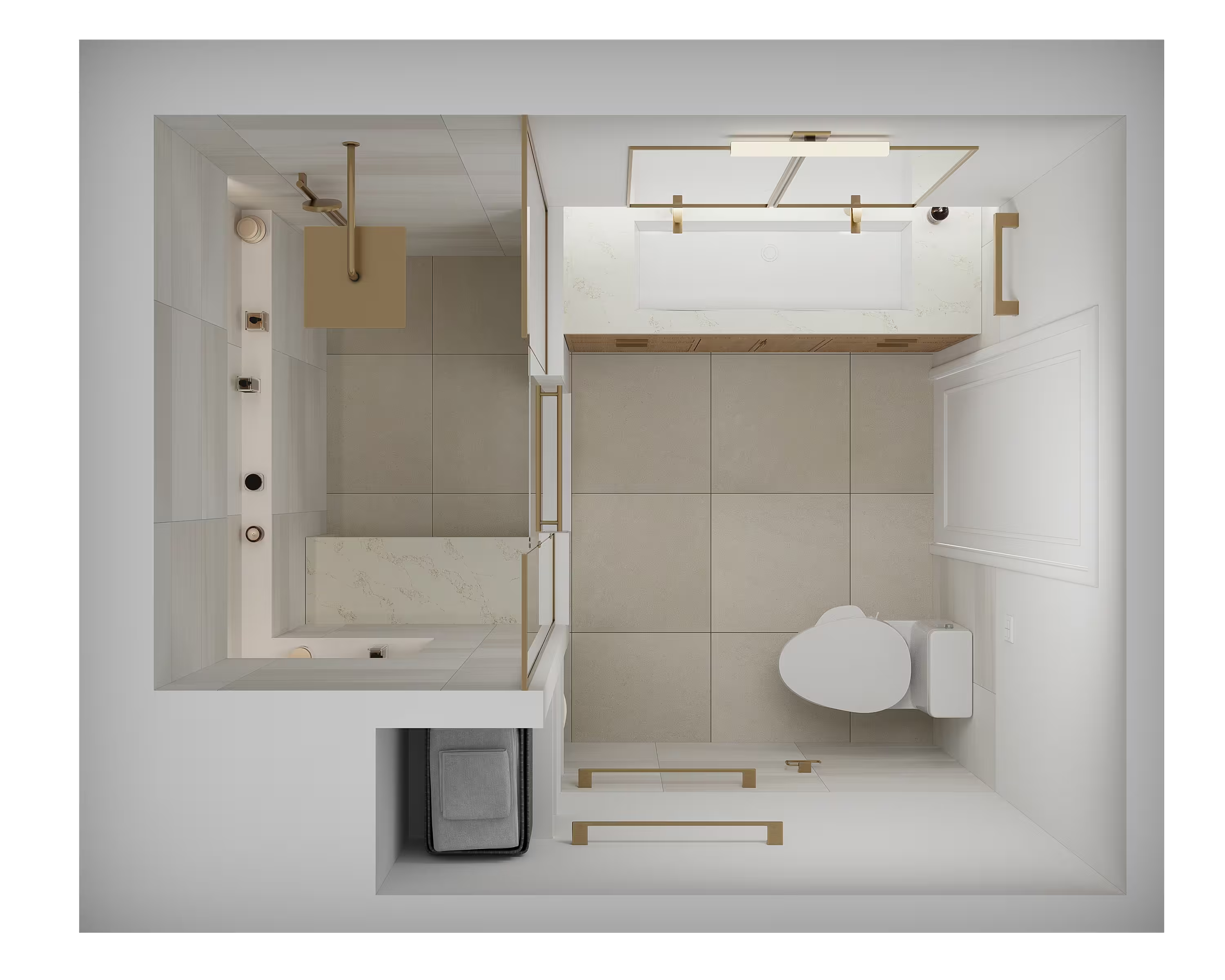
When embarking on a renovation in NYC, partnering with an integrated design-build firm offers numerous advantages. Unlike traditional approaches where clients must coordinate between separate architects, contractors, and designers on their own, the design-build model streamlines the process by providing a single point of contact from concept to completion. This ensures seamless communication, cohesive project management, and a unified vision, resulting in greater efficiency, cost-effectiveness, and overall project success. Here is an overview of our design-build renovation process at Gallery.
Considering a Renovation in NYC?
Click to schedule a consultation with one of the principle partners at Gallery, who will hear out your renovation plans and let you know the best way to proceed - whether we end up working together or not.
Schedule Your Consultation
Roles of In-House Professionals
When dealing with the uncertainty that naturally comes with renovating your residence, no one wants to play the role of a switch-board operator, constantly managing updates to the various parties handling your project. With a design-build firm, experienced in-house liaisons play a pivotal role in ensuring the smooth execution of your renovation. From navigating complex permit processes to securing co-op/condo board approvals, these logistics experts possess the knowledge and experience to overcome all regulatory hurdles. Additionally, the designers within the firm collaborate closely with clients to create interiors that not only meet their aesthetic preferences but also comply with local regulations and building codes. By leveraging the full-service expertise of a design-build firm, potential setbacks become an afterthought.
Importance of a Multidisciplinary Team
Beyond added communication gains, the full-service and collaborative nature of design-build firms means no renovation detail gets lost in translation. With so many intricate challenges within NYC renovations, having a multidisciplinary team composed of not only architects and contractors but also interior designers, structural engineers, and expeditors means no aspect of your renovation is stuck in a silo. Interior designers bring creative vision and functionality to the project, while seasoned project managers ensure the integrity of designs with their structural engineering expertise. Project liaisons navigate the expediting process, handling permits and minimizing delays. By assembling a diverse team of renovation pros, integrated design-build firms are equipped to handle complex projects with precision and expertise.
[#Your]Budgeting For Your Renovation[#Your]
Main Cost Drivers in NYC Renovations
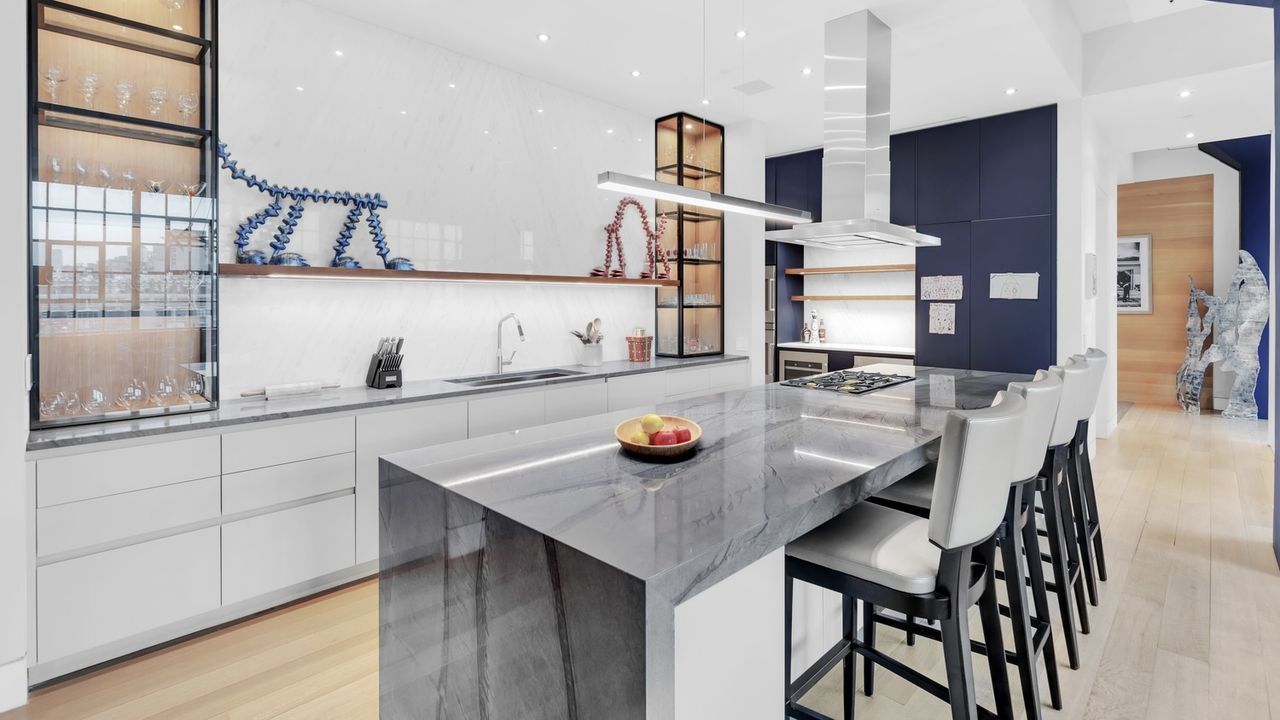
Renovating in New York City comes with its own set of cost considerations. Labor costs, which tend to be higher in NYC, typically make up a significant portion of the budget. Materials, especially if high-end or specialty items are desired, are the second largest contributor to the overall cost. Additionally, regulatory compliance costs, such as permits and inspections, must be factored in. Managing them separately can be cumbersome, while enlisting a design-build firm consolidates all cost considerations into one comprehensive bottom line number.
Warning About Hidden Costs
Beyond the obvious expenses, there are several hidden costs new buyers should be aware of when budgeting for their renovation. These may include temporary housing costs if the property becomes uninhabitable during construction, storage fees for furniture and belongings, and fees for expedited permit services to minimize project delays. Without accounting for these potential expenses upfront, you could face unwanted financial surprises down the line.
Guidance on Creating a Detailed Budget
Creating a detailed budget is critical for ensuring your renovation project stays on track financially. Start by obtaining multiple quotes from contractors and suppliers to accurately estimate labor and material costs. Factor in regulatory compliance costs, including permit fees and professional services. Additionally, don't forget to include a contingency fund of at least 10-20% to cover unforeseen expenses or changes in scope. By creating a comprehensive budget and building in a buffer for unexpected costs, you can mitigate financial risks and ensure a smoother renovation process from start to finish.
The True Renovation Budget: Visible Costs vs Hidden Costs
Most renovation budgets are built around the costs that appear in a contractor's quote. The full picture for a new buyer includes a second category: life-disruption costs that sit outside the construction contract but absolutely belong in your spreadsheet. Map both before closing.
Category 01
Visible Costs
Line items that appear in the contractor's quote
Labor
Typically the largest single line item on a NYC renovation. Driven by trade union rates, the scope of work, and how long crews are on site.
Materials and finishes
The second largest contributor. Tile, stone, cabinetry, fixtures, appliances, and any specialty or custom-fabricated items.
Permits and inspections
DOB filing fees, building permits, plumbing and electrical permits, and any inspection-related costs throughout construction.
Architectural and design fees
Included inside a design-build engagement. Billed separately when an independent architect or designer is hired.
Category 02
Hidden Costs
Real expenses that sit outside the construction contract
Temporary housing
Sublet, hotel, or extended-stay rental if the apartment is uninhabitable during construction. Often months of overlap with mortgage and maintenance.
Furniture and belongings storage
If you closed on the apartment with furniture already inside, plus household goods from a previous home, storage fees accumulate across the full project timeline.
Expedited permit services
When DOB processing time threatens a critical milestone, expediting fees may be the difference between closing on schedule and slipping a cycle.
Mortgage and maintenance carry
Monthly mortgage payments, common charges, property taxes, and building assessments continue throughout the renovation, with no offsetting rent or use of the unit.
Building security deposit
Held in escrow by the building's management company throughout the renovation. Refundable, but tied up for the duration of the project.
10 to 20%
Contingency Fund
Reserve 10 to 20 percent of the total renovation budget for unforeseen expenses, hidden structural conditions, mid-project scope changes, or shifts in material pricing. This is a planning baseline, not a luxury.
Source: Gallery KBNY renovation budget framework for new buyers in NYC. For more on overall cost benchmarks, see our guide to NYC renovation costs per square foot.
For more detailed info on apartment renovation costs, read our most read blog NYC Apartment Renovation Costs In 2024: Costs Per Square Foot.
Conclusion
For new buyers, going on a renovation journey in New York City requires thorough preparation, realistic budgeting, and likely, professional guidance. If complexities surrounding NYC’s real estate landscape sound burdensome but necessary, consider taking the easy route and enlisting Gallery for your renovation.
Whether you’re gut renovating a pre-war condo in Chelsea or transforming a brownstone in Boerum Hill, our full-service approach can make all the difference. We are a New York Times-featured design-build firm in New York City offering all-inclusive renovations in Manhattan and Brooklyn that include everything from interior design and architecture services to filing permits and construction management. We’re experts in pre-war apartment renovations, apartment combinations, room creations, full gut renovations and all that falls in between. Let us bring your dream home to life.
Gallery KBNY is a full-service design-build firm featured in The New York Times, specializing in the architecture, interior design, and renovation of apartments, co-ops, condominiums, townhomes, and lofts across Manhattan and Brooklyn. Our integrated team of architects, designers, contractors, and project managers manages every phase from board approvals and DOB permitting through design and construction. A founding partner is involved in every project, start to finish. Because architecture, design, permitting, and construction are coordinated under one roof, the process remains streamlined, accountable, and transparent from start to finish. Our work has also appeared in Forbes, Architectural Digest, and Inc., and is backed by 100+ five-star client reviews.
[#faq]Frequently Asked Questions: Buying And Renovating In New York City[#faq]
What Should A New Buyer In NYC Know Before Planning A Renovation?
The most important thing to understand is that buying with plans to renovate in New York City is a fundamentally different undertaking than buying a turnkey property. The building you purchase into will govern nearly every aspect of what your renovation can look like, how long it will take, and what it will cost.
Before an offer is made, buyers should have a realistic read on the building's rules around permitted work, its board approval process, its infrastructure condition, and any regulatory overlays like landmark status. The apartment itself matters less than people expect at the outset. The building is what shapes the renovation.
Do All NYC Apartment Renovations Increase Property Value?
Not equally, and not automatically. Renovations that align with broad market demand, updated kitchens, renovated bathrooms, improved layouts, and quality finishes, tend to offer stronger returns than niche upgrades or improvements that reflect highly personal taste.
The quality of execution also matters significantly. A poorly managed renovation, one with visible shortcuts, mismatched finishes, or work that was done without proper permits, can actually reduce a property's appeal to future buyers. For new buyers especially, prioritizing projects based on functional need and market alignment is more reliable than assuming any renovation spend translates directly into equivalent value added.
Is The NYC Building Permit Process As Complicated As People Say?
For anyone navigating it independently for the first time, yes. New York City's Department of Buildings has strict submission requirements, and incomplete or non-compliant filings result in review cycles that add weeks or months to a project. Different work types require different permits, electrical, plumbing, structural, and each has its own filing requirements.
Beyond the DOB, co-op and condo boards add their own layer of review before permits can even be filed in many cases. The permit process is not something to improvise. Buyers who work with a firm that manages expediting and DOB filings in-house avoid most of the friction that first-time renovators encounter when attempting to coordinate this process on their own.
What Are The Most Common Pain Points When Renovating A Newly Purchased NYC Apartment?
The four that come up most consistently are budget escalation, regulatory delays, hidden structural conditions, and contractor availability.
Budget escalation happens when scope is not fully defined upfront or when existing conditions inside walls and floors turn out to be worse than anticipated. Regulatory delays happen when permit filings are incomplete or board approval timelines are not factored into the project schedule. Hidden structural conditions, water damage, outdated electrical systems, failing plumbing, are common in older NYC buildings and often only surface once demolition begins. And contractor availability is a real constraint in a market where skilled labor demand consistently outpaces supply, making early engagement with a qualified renovation firm more important than many buyers realize.
How Should A New Buyer Budget For An NYC Renovation?
Start with a detailed scope of work, not a general estimate, and build the budget from actual line items rather than a per-square-foot approximation alone. Labor tends to be the largest single cost driver in New York City. Materials are the second, and they vary significantly based on finish level and whether custom work is involved. Permit fees, expediting costs, and professional service fees are often underestimated or left out entirely in early budget drafts.
Beyond the construction budget, new buyers need to account for temporary housing costs if the apartment is uninhabitable during renovation, storage fees, and carrying costs during the renovation period. A contingency of at least ten to twenty percent above the total project estimate is a standard and necessary cushion, not optional padding.
What Hidden Costs Do New NYC Buyers Overlook When Planning A Renovation?
The ones that catch people most off guard are temporary housing, storage, and carrying costs during construction. If you close on an apartment and cannot move in until renovation is complete, you are paying mortgage, maintenance fees, and property taxes on a unit you are not occupying, while simultaneously covering rent or hotel costs elsewhere.
Beyond that, permit expediting fees, co-op or condo board legal review fees, security deposits held by the building during construction, and the cost of addressing unforeseen site conditions are all real expenses that do not show up in a contractor's initial proposal. Accounting for these before signing a contract avoids the kind of financial surprises that derail projects mid-construction.
What Is The Advantage Of Using A Design-Build Firm For A First NYC Renovation?
For a first-time renovator in New York City, the single greatest advantage is having one accountable team managing every phase of the project. With a traditional approach, buyers coordinate separately between an architect, a general contractor, interior designers, permit expeditors, and building management. Every handoff between those parties is an opportunity for miscommunication, delay, or cost increase.
A full-service design-build firm consolidates all of that under one roof. Architecture, design, permitting, board approvals, material procurement, and construction management are all handled internally by a team that is aligned from day one. For buyers who are already navigating a new city, a new building, and a new set of relationships, that structure removes an enormous coordination burden.
How Do You Find A Reliable Renovation Contractor In NYC As A New Buyer?
Start before you need one. The most reliable contractors in New York City carry full schedules, and waiting until after closing to begin vetting means competing for availability with buyers who planned earlier. Look for firms with verifiable licensing through the NYC Department of Consumer Affairs, documented experience with your specific building type, and a portfolio of completed projects you can evaluate in person.
Client references matter, but direct conversations with past clients matter more than aggregated online reviews. The best renovation firms in New York City have clients who are willing to speak candidly about the full process, not just the finished result. Checking Houzz alongside Google gives a more complete picture than either platform alone.
Should You Renovate Before Or After Moving Into A Newly Purchased NYC Apartment?
For any project that involves significant construction, completing the renovation before moving in is almost always the better approach. Attempting to live in an apartment during a gut renovation or major overhaul is disruptive in ways that most people underestimate, and it can create real complications for the construction team's ability to maintain schedule and protect finished work.
The more important consideration is that renovation planning should begin before closing, not after. Using the contract period to finalize design, prepare permit filings, and assemble board submission packages means construction can start shortly after closing rather than months later. That compression of the pre-construction phase is what makes the difference between a six-month wait to move in and a three-month one.
What Should You Look For In A NYC Apartment Before Buying If You Plan To Renovate?
Beyond price and location, focus on the building's infrastructure and rules. Key things to assess include the electrical service capacity, the location of plumbing risers and whether fixture relocation is permitted, HVAC feasibility given the building's systems, whether load-bearing walls limit the layout changes you have in mind, and whether the building is in a landmark district or historic zone.
None of these are typically visible during a standard showing, and real estate agents are not equipped to assess them. A pre-purchase walkthrough with an experienced renovation firm, conducted before an offer is made, is the most reliable way to surface the constraints that will shape your renovation before they become your financial responsibility.
Manhattan Design-Build
Evaluate Your Manhattan Apartment
Before You Buy
Buying an apartment you plan to renovate? A founding partner walks it with you during the contract period and maps the scope, cost, and timeline, so you know exactly what you're taking on before you sign.
As seen in
Pre-Purchase Assessment
Walk the apartment with us first and understand the full scope, cost, and timeline before you close.
or call us directly
let’s
Design-Build
together