.avif)


.png)
.png)


Aiming For A Summer Renovation? Here’s The Best Time To Hire A Contractor
Don't underestimate proper planning when aiming for a summer renovation.
March 28, 2026
|

Aiming For A Summer Renovation? Here’s The Best Time To Hire A Contractor
We all know timing is everything, but that's especially the case if you're trying to renovate your NYC home while away for the summer.
Table of contents
- Why Summer Renovations Are a Top Choice
- The Importance of Early Planning
- Choosing the Right Contractor
- Setting Your Summer Timeline
- Frequently Asked Questions About Summer Renovations In NYC
Summer ranks as peak season for large-scale renovations across New York City. Owners closing on a pre-war apartment, overhauling a co-op, or planning an apartment combination often find the longest days of the year the most workable stretch for major construction. Securing that window comes down to two things in your favor: a realistic timeline and the right team.
This guide covers the season's appeal and how early the planning needs to begin, along with the markers of a capable firm for a whole-home renovation.

[#Why-Summer]Why Summer Renovations Are a Top Choice[#Why-Summer]
Flexible Schedules
Summer opens up scheduling for many households. With children out of school and travel already on the calendar, coordinating major work from June through August tends to disrupt daily life far less. Demand for that window runs high, so the most sought-after summer slots fill quickly among owners working from the same plan.
Building Regulations
Certain exclusive buildings permit renovations only during the summer months, when most residents have left the city. Co-op and condo boards frequently require larger projects to wrap within this season to keep disturbances to a minimum. A conversation with your board early in the process will surface any stipulations that govern your timeline.
Ideal Weather
Good weather is conducive to large scale exterior projects. Contractors can work more efficiently and you won't have to worry about weather-related delays (think extensions, roof decks, cement work). Plus, longer daylight hours in summer boost productivity and reduce the need for artificial lighting. For townhouse and brownstone renovations requiring exterior work, this consideration can be crucial.
[#Importance]How Far Ahead To Start Planning[#Importance]
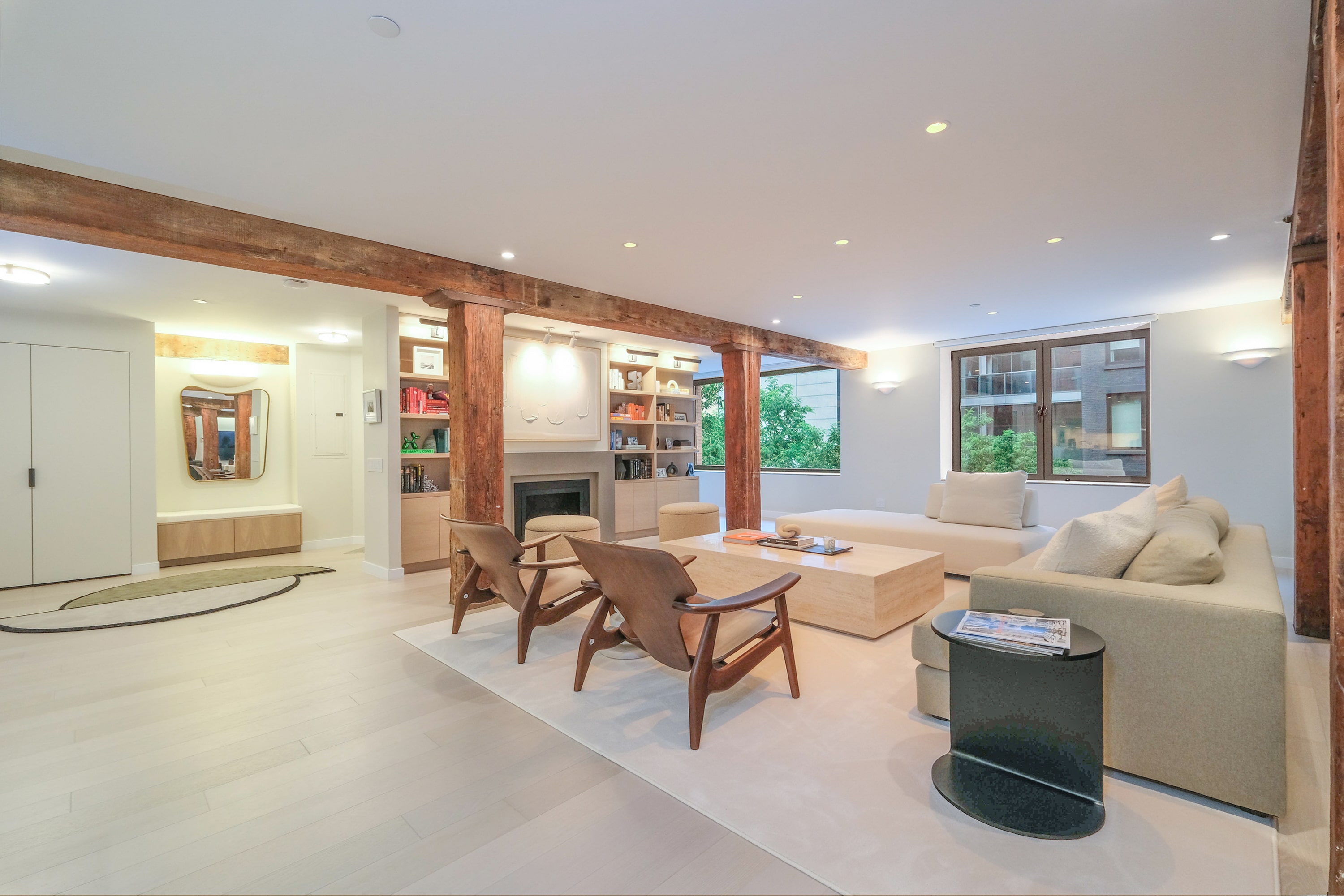
Reaching a summer start depends on groundwork laid months in advance. The timeline below maps to the gut renovation of a 1,700 SF Manhattan apartment.
Planning & Contractor Considerations (One Month | October)
Allow a generous timeframe when choosing the right contractor for your renovation, as the process involves several crucial steps. These include everything from reviewing the portfolios of various firms and building baseline rapport with those who make sense to taking the necessary time to make adjustments and finalizing budget decisions. More on this process below.
Design, Planning & Paperwork (Six Months | November - April)
Once contracted with a firm you’re comfortable with, the planning process starts. When working with a full-service design-build firm, this includes interior design planning, architectural accommodations, material selection and sourcing, and all that falls in between. This period is also when we would be handling all the architectural design approvals with the DOB on your behalf, along with all permits. For large renovations, you're going to spend at least four to six months planning. When encountering more exclusive buildings or difficult management companies, the expectation should be at least six months.
Demo To Completion (Four - Six Months | May - Sept)
Once design decisions are determined and all permits plus approvals are in place, the production phase of your renovation can begin. Demolition leads the way, clearing space for a fresh start. Initial inspections ensure everything aligns with standards. Framing and carpentry establish the structure, while any electrical and plumbing updates are accounted for while walls are open. Updated finishes and fixtures transform the space, while finish carpentry and fixture installation add final touches. Inspections and walkthroughs ensure everything meets code. Finally, permits are closed and sign-offs obtained, ensuring compliance and readiness to move in.
Additional Factors That May Extend Timeline
With any large scale apartment renovation in NYC, there are potential outlying factors that may extend the timeline.
Complex Structural Projects
For particularly intricate projects or those involving structural changes like cutting through cement or installing staircases (EX: a vertical apartment combination), give yourself an additional 3-4 months up front in the process if trying to lock in a summer renovation.
Building Requirements
Some buildings, especially those with challenging management companies, may necessitate extended planning periods. Consult with experienced professionals to navigate time extensions required for these complexities.
Landmark Status
If your building is landmarked or if your project involves exterior or structural work, be prepared for potential timeline extensions. Landmark approvals are handled on a first come, first serve basis so working with a firm that will handle this process promptly is essential to staying on schedule. For more, read Everything You Need To Know About Landmark Renovations.
[#Choosing]Choosing the Right Contractor[#Choosing]
Selecting the right contractor is perhaps the most critical step in your renovation journey. Here are some tips to help you make an informed choice:
Due Diligence
Take your time to research and interview contractors. Begin by thoroughly researching various firms, delving into their portfolios and past projects to assess their capabilities. Look for companies with a track record of success, positive client reviews, and a commitment to collaboration. Follow this by conducting interviews to get a deeper understanding of their approach, expertise, and compatibility with your vision.
Communication
A serious contractor will spend time with you to understand your project's unique requirements before issuing a proposal. Do they come visit your home or potential purchase and get a first-hand feel for the project? They should. This initial interaction sets the tone for the entire renovation process and a strong willingness to help you assess the feasibility before signing a contract should confirm their commitment.
Client Involvement
If you haven't lived in the space you're renovating, consider that no one knows your family's needs and preferences better than you. Collaborating with your contractor to incorporate personal insights into the design is integral to maximizing the footprint of your dream home.
Design and Planning
Be prepared to engage in thoughtful discussions and entertain proposals, fostering a collaborative environment where ideas are exchanged, refined, and tailored to your specific needs. Take the necessary time to make adjustments and finalize decisions, ensuring that the chosen contractor aligns seamlessly with your renovation goals.
Flexibility and Adaptability
Be ready to pivot if necessary. Delays, unforeseen challenges, or changes in your vision can occur during a renovation. A skilled contractor should be adaptable and able to find solutions.
[#Conclusion]Setting Your Summer Timeline[#Conclusion]
In conclusion, if your goal is to renovate during summer, start vetting contractors the prior September-October to give yourself ample time for the extended process and any potential delays. A reputable firm will guide the project from start to finish, and your own insights about the home belong in the design from the outset. Careful preparation paired with a capable team puts a comfortable summer completion within reach.
Considering an apartment renovation in New York City and aiming for summer? View our portfolio of NYC apartment renovation before and afters, learn more about Gallery, or contact us today.
We are a New York Times-featured design-build firm in New York City with a full-service approach to renovations in Manhattan and Brooklyn that includes everything from interior design and architecture services to filing permits and construction management. We’re experts in pre-war apartment renovations, apartment combinations, room creations, full gut renovations and all that falls in between.
Gallery KBNY is a full-service design-build firm featured in The New York Times, specializing in the architecture, interior design, and renovation of apartments, co-ops, condominiums, townhomes, and lofts across Manhattan and Brooklyn. Our integrated team of architects, designers, contractors, and project managers manages every phase from board approvals and DOB permitting through design and construction. A founding partner is involved in every project, start to finish. Because architecture, design, permitting, and construction are coordinated under one roof, the process remains streamlined, accountable, and transparent from start to finish. Our work has also appeared in Forbes, Architectural Digest, and Inc., and is backed by 100+ five-star client reviews.
[#faq]Frequently Asked Questions About Summer Renovations In NYC[#faq]
How early should vetting begin for a summer renovation in a co-op or condo?
For most whole-home projects, September or October of the prior year gives enough runway for design, board review, and DOB permitting before a late-spring demolition start. Buildings with strict summer-only work windows or six-month planning requirements warrant an even earlier start, often midsummer of the year before.
Why do many white-glove buildings restrict renovations to the summer?
Boards in many high-end buildings concentrate disruptive work into the months when most residents are away, which limits noise and elevator traffic for households in residence. Alteration agreements in these buildings often specify permitted work hours and a hard completion date tied to the season, both of which shape the planning calendar.
How does an apartment combination affect the timeline?
Combinations introduce structural review, additional DOB filings, and frequently a dual engineer-and-architect sign-off, all of which add lead time. Three to four months on top of a standard planning window is a reasonable allowance, and a vertical combination involving a new internal stair tends toward the higher end of that range.
What role does landmark or LPC review play in scheduling?
A landmarked building, or any scope touching the exterior, brings Landmarks Preservation Commission review into the critical path. Because the LPC processes approvals in the order received, early and complete filings protect the schedule, while facade and exterior work generally carries the longest review.
Does buying a sponsor unit change the renovation timeline?
Sponsor units can ease certain approval steps, since the purchase itself may bypass board package review, though construction approvals and DOB permitting still apply in full. The planning window for the work itself stays comparable to any other whole-home renovation in the building.
How does early planning help hold the budget steady?
A longer planning runway allows finishes and long-lead materials to be specified and ordered before production begins, which reduces mid-project substitutions and the change orders that follow them. Boards also tend to release alteration agreement terms more smoothly when the full scope is documented in advance.
Manhattan Design-Build
Evaluate Your Manhattan Apartment
Before You Buy
Buying an apartment you plan to renovate? A founding partner walks it with you during the contract period and maps the scope, cost, and timeline, so you know exactly what you're taking on before you sign.
As seen in
Pre-Purchase Assessment
Walk the apartment with us first and understand the full scope, cost, and timeline before you close.
or call us directly
let’s
Design-Build
together