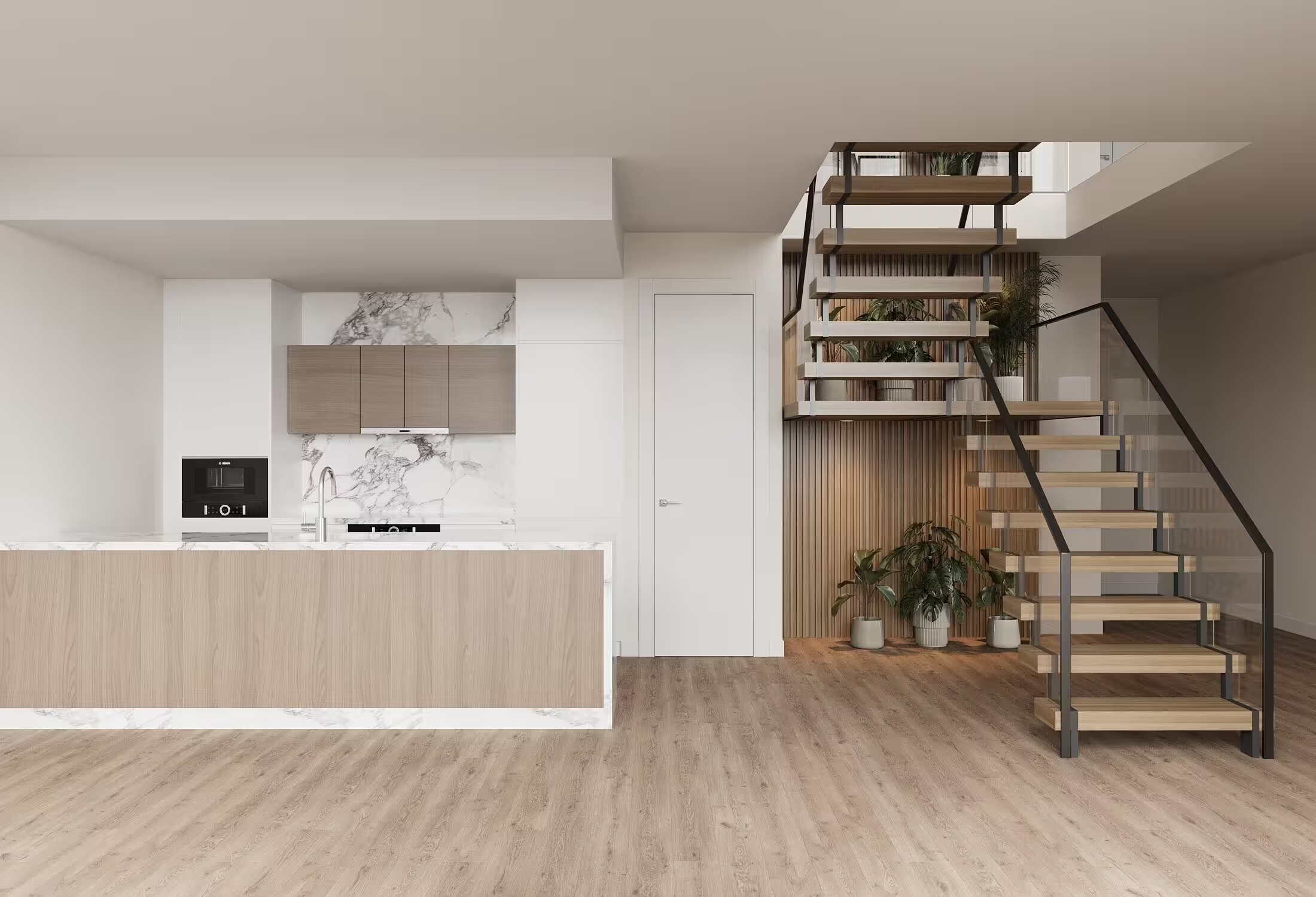
.avif)


.png)
.png)


10 Questions To Ask A NYC General Contractor Before Hiring
These are the most important questions to ask when hiring a contractor for your upcoming New York City apartment renovation.
March 18, 2026
|
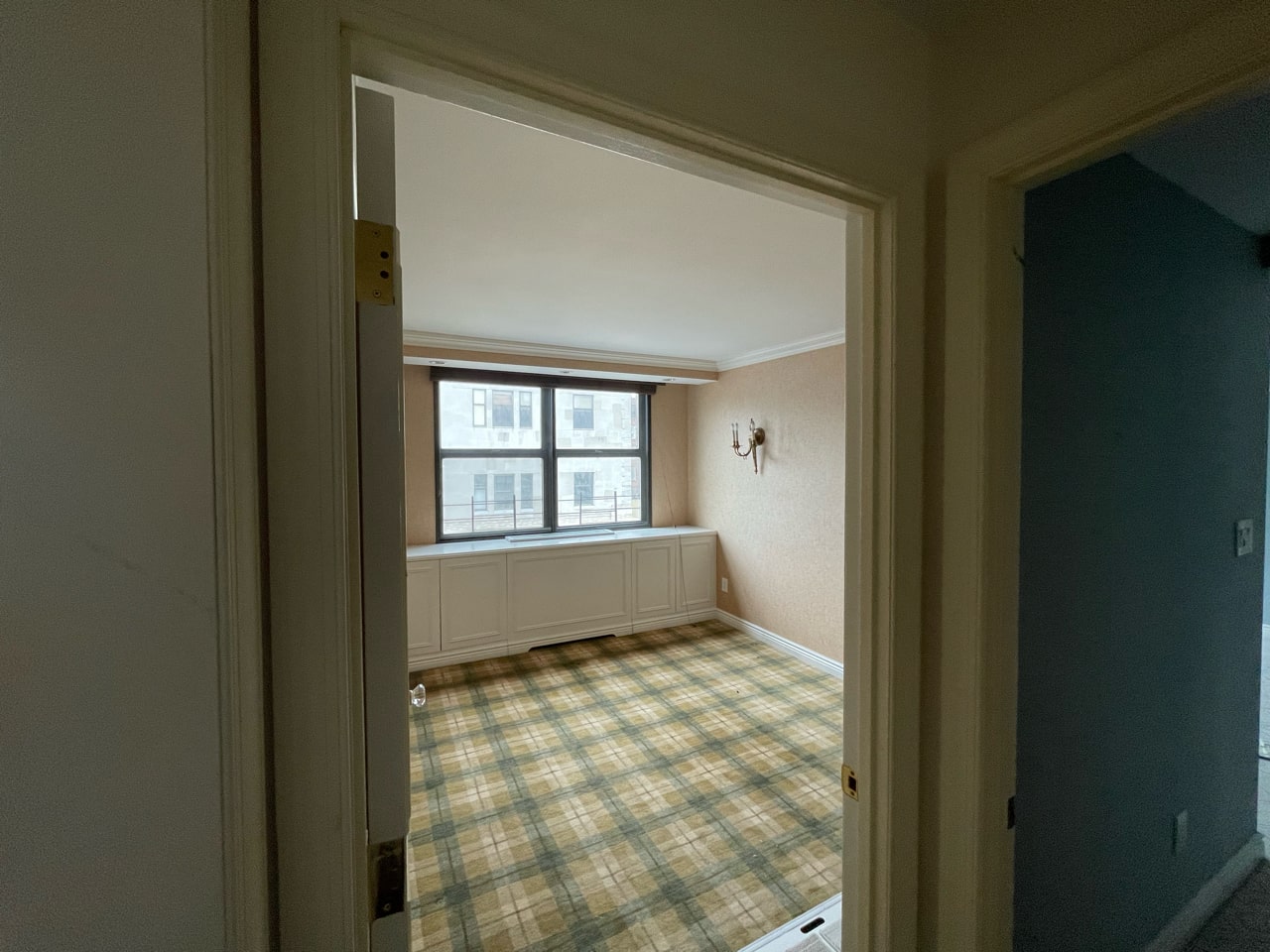
10 Questions To Ask A NYC General Contractor Before Hiring
Planning to remodel any part of your home is an enormous undertaking. One of your first steps should be finding a reliable and trustworthy general contractor in New York City.
TABLE OF CONTENTS
- Checking Off the Basics
- How Would You Do This In Your Own Home?
- How Long Should My Project Take?
- Can You Provide a Breakdown of Costs and Payment Schedules?
- What Unexpected Issues Should I Expect and How Do You Plan for the Unexpected?
- How Do You Handle Design Changes or Unforeseen Issues During the Project?
- What Is Not Included In Your Proposal That You Will Need In Order To Have A Fully Finished Project?
- Do You Include Architectural Services?
- What Permits Will Be Required, And How Do You Handle The Approval Process?
- Can I See Previous Projects?
- Can We Speak To Previous Clients?
- Why Gallery Makes Sense For Your NYC Renovation
- Frequently Asked Questions About Hiring A General Contractor In NYC
Not long after the thrill and excitement of planning your renovation wears off, the tough questions start to kick in. Asking questions like ‘How do I know which contractor I should work with?’ or ‘What if my general contractor is trying to take advantage of me?’ are commonplace when altering a foundational aspect of your life.
Ultimately, calming these fears comes down to research and working with the right general contractor and team. But how can you know for certain you’ve found them? That’s where Gallery comes in. As NYC’s leading design-build general contractor, we’re always asked to back up our reputation, and rightfully so. When renovating your dream home, you need to come prepared from all angles to ensure your renovation partner is the best fit possible. To help secure the proper New York City renovation general contractor for your upcoming project, consider the following 10 questions to ask before hiring. But, first, start with a few basics.
[#0]Checking Off The Basics[#0]
Before arming your list of questions to ask a general contractor before hiring one, you need to do your own research.
Check For License
Once you find a few general contractors that meet your standards, check every prospective contractor’s license on your state’s or city’s website to make sure it’s legitimate. In New York City, general contractors are licensed by the NYC Department of Consumer Affairs, which has an online system where you can check the license.
Baseline Brand Search On Houzz + Google
Next, search each contractor’s name online to see what reviews say, and check any Google or Houzz.com ratings of them. Online reviews should be taken with a grain of salt, but several negative comments should be a red flag.
Schedule A Consultation
Assuming the general contractor’s credentials are legitimate, the next step is to determine whether they are a good fit for you and your home renovation project. To do that, you’ll have to spend time getting to know your contractors during an initial consultation, ideally walking through the space you’re looking to renovate to discuss renovation possibilities in person and see if rapport comes natural.
The Three-Stage Contractor Hiring Funnel
Hiring a NYC general contractor is sequential, not parallel. Each stage gates the next. Skipping ahead to deep questions before the basics are confirmed wastes time on contractors who shouldn't be in the running. Skipping verification at the end signs a contract without confirming the work is real.
Stage 01
01
The Basics
Gate: legitimacy and fit
Before investing time in deep questions, confirm each prospective contractor is licensed, insured, and has the baseline reputation to be in consideration. Use this stage to narrow the field to a short list.
Required actions
Stage 02
02
The Ten Questions
Gate: scope, cost, and accountability
For contractors who clear Stage 01, work through the substantive questions. The goal is to learn how each contractor approaches communication, cost transparency, surprises, change orders, exclusions, architectural services, and permits.
Topics to cover
Stage 03
03
Verification
Gate: real work, real clients
Polished answers are easy to give. Before signing, verify the work and the relationships behind it. This is the stage that separates contractors who can present well from contractors who deliver.
Required actions
Source: Gallery KBNY contractor hiring methodology developed across renovation projects in Manhattan and Brooklyn.
Once you’ve confirmed the basics and set up your consultation, you’ll want to dig deeper to ensure the fit for your renovation makes sense. These 10 questions are a good start:

[#1]How Would You Do This In Your Own Home?[#1]
The best general contractors in New York City possess the skill of balancing cost and quality, which gives them the ability to provide valuable advice regarding materials, layout options, and more. If you’re too focused on cost, even good contractors will be limited in what they can do for you. Mind the budget but ask contractors how they would approach the project if it were in their own home and why they would make those choices. Realistically, good general contractors in New York City don’t wait to be asked this question; they give you their input and advice without being prompted for it. (as long as they first took the time to understand your objectives)
What is Your Communication Style and Frequency During the Project?
Clear and consistent communication is vital during a renovation project because it helps both the homeowner and the contractor stay aligned on expectations and project details. This alignment is crucial for avoiding misunderstandings and ensuring that the project progresses smoothly. That means making sure you’re comfortable with their communication methods prior to engagement.
At Gallery, our designers and project managers are constantly in communication with our clients, whether that be a planned in-person meeting to plan key design details or on an impromptu phone call for a quick question. Plus, we offer detailed project updates on a routine basis via our readily-available JobTracker software.
[#2]How Long Should My Project Take?[#2]
When choosing a contractor, people often make the mistake of taking the behind-the-scenes logistics for granted. Who will accept materials, inspect them, and deal with defects? If your contractor doesn’t include these in the proposal and timeline, then they’ll fall on your shoulders. One of the most important questions to ask a general contractor before hiring him or her is what kind of timeline you can expect. Including the legwork, a typical NYC kitchen or bath renovation takes four to six weeks in an apartment building and just a bit less in a private home. Be wary of any timeline that’s significantly shorter than that. To get an idea of some baseline timelines, view a few of our relevant NYC renovation articles form our Design & Reno Blog:
- Learn More: How Long Does A Full Apartment Renovation In New York City Take?
- Learn More: Full Home Renovations In NYC 101: What To Know & Where To Start
- Learn More: Gut Renovation Vs. Other Renovation Types In NYC: The Pros And Cons
[#3]Can You Provide a Breakdown of Costs and Payment Schedules?[#3]
When planning a renovation in New York City, always make sure to request an itemized cost breakdown from potential contractors, even if it’s an approximate estimate. A legitimate general contractor in NYC should have no problem providing a transparent breakdown of costs for materials, labor, permits, and other necessary services such as subcontractors or payment schedules. Without this clear estimate, understanding the project’s scope and comparing potential partners is nearly impossible.
Considering a Renovation in NYC?
Click to schedule a consultation with one of the principle partners at Gallery, who will hear out your renovation plans and let you know the best way to proceed - whether we end up working together or not.
Schedule Your Consultation
As a full-service design build general contractor in NYC, Gallery provides all-encompassing costs and payment details up front in the process, in ways traditional renovation methods like a design-bid-build general contractor or independent architect cannot. In order to determine project feasibility, we fully assess your project and do a full cost analysis up front, allowing for comprehensive pricing and scope of work that serve as agreed-upon goal posts we work towards for your renovation. These transparent financial arrangements create a mutually-beneficial, trust-based relationship with the contractor.
.jpeg)
[#4]What Unexpected Issues Should I Expect and How Do You Plan for the Unexpected?[#4]
When renovating in any of the many historic building types in NYC, there are a variety of surprises that may arise upon opening up the space, especially when doing a larger renovation that requires opening up walls. This often means there will be unexpected challenges you’ll be faced with, which could incur additional costs. A good contractor should be able to identify these issues ahead of time, or at the very least, prepare you for the potential of them - along with potential cost and timeline ramifications. That includes securing approval from your building’s board, handling materials, and purchasing finishes.
- Learn More: Common Surprises When Renovating A NYC Apartment
[#5]How Do You Handle Design Changes or Unforeseen Issues During the Project?[#5]
Understanding how your general contractor will handle issues in the heat of the moment is an essential insight into maintaining expectations throughout your project. Ultimately, with proper planning, many of these issues can be avoided, but if an issue arises even after consultations and preliminary inspections, a quality general contractor will handle the situation with full transparency. Here a few scenarios to consider:
Building Issues
If the added work results from issues with the building and additional costs will be required, they will deliver the cost ramifications and fulfill the specialist required to rectify the issue.
Client Requests
If the added work comes as a result of the client asking for design alterations after approvals and into production, the contractor will explain the additional work and costs required, along with the timeline implications. If they understand and still want to proceed, the general contractor should be able to accommodate.
Contractor Costs
Finally, if added work comes from an accident on the general contractor’s end, they should pay for any additional costs resulting from the issue, while explaining any additional ramifications to timelines (if any).
Who Pays When Something Changes Mid-Project?
Mid-project changes are inevitable on a NYC renovation. What separates a good general contractor from a bad one is how they handle responsibility when those changes happen. The matrix below shows where the cost lands depending on what caused the change.
Origin 01
Building Conditions
Hidden conditions revealed during demolition. Asbestos behind walls, undocumented pipe runs, out-of-square framing, or other surprises that no one could have known about without opening up the space.
Plus any required specialist (abatement, structural, etc.)
Identify the issue, quote the additional work in writing, recommend the qualified specialist, and disclose the timeline impact before proceeding. No silent expansion of scope.
Origin 02
Client Request
Design or scope alteration requested by the homeowner after approvals have been signed and construction is underway. Material swap, layout change, added feature, or finish upgrade.
Plus any rework cost if production has begun
Explain the additional work, the cost ramifications, and the schedule impact before starting. If the homeowner still wants to proceed, accommodate. If not, document the decision to hold.
Origin 03
Contractor Error
Damage, mis-spec, or rework required because of a mistake on the contractor's side. Wrong material installed, dimensions cut incorrectly, a sub-contractor accident, or work that fails inspection.
Including the cost of correcting the error
Cover the cost of the fix at no charge to the homeowner. Disclose any timeline impact and put a corrected sequence in writing. Do not bury the cost inside a future change order.
Source: Gallery KBNY contractor accountability framework. For more on common renovation surprises, see common surprises when renovating a NYC apartment.
[#6]What Is Not Included In Your Proposal That You Will Need In Order To Have A Fully Finished Project?[#6]
This is a very important question to ask because not all NYC general contractors are created equal. Some provide only their labor and raw materials and not the actual finishes, so it falls on the client to purchase and deal with. Full-service firms, like Gallery, handle every aspect of your project. Some contractors may even try to intentionally be vague about what is and aren’t included in their work. They often do while simultaneously pitching a very appealing price, but chances are this contractor is setting you up for change order hell.
What's In Your Proposal vs What's Quietly Excluded
A low proposal often looks low because important line items are missing, not because the work is cheaper. Before signing any general contractor proposal in NYC, run it against the two columns below. Anything in the right column that isn't priced in the proposal is a change order waiting to happen.
Should be itemized
In a Legitimate Proposal
Labor by trade
Carpentry, plumbing, electrical, tile, paint, and any other trades broken out, not bundled into a single line.
Materials and finishes
Either specified by product, or set as a written allowance per category, with a clear basis for how the allowance was calculated.
DOB permits and filing fees
Building, plumbing, and electrical permits priced into the contract, with the filing fees disclosed as line items.
Subcontractor scope
Specialty work (plumbing, electrical, HVAC, millwork) priced inside the proposal, not deferred to a future subcontractor bid.
Payment schedule
Tied to project milestones (rough-in complete, drywall closed, finishes installed) rather than calendar dates.
Commonly excluded
Verify Before Signing
Board approval fees
Co-op and condo alteration agreement filings, reviewing-architect fees, and refundable deposits required by the building. Often excluded.
Demolition disposal
Dumpster rental, debris hauling, and elevator-protection fees can be quietly excluded and billed as a separate line during construction.
Material delivery and storage
Receiving, inspecting, and staging materials on site. If excluded, this falls to the homeowner or becomes a change order.
Interior finishes and styling
Some general contractors deliver labor and raw materials only. Tile, hardware, fixtures, paint colors, and styling fall to the homeowner unless explicitly priced.
Change-order rate structure
How change orders are priced (cost-plus, fixed markup, hourly) should be defined in the proposal. If it isn't, you have no leverage when the first one arrives.
Architectural plans and filings
Traditional general contractors don't include architectural drawings. Confirm whether your project needs them and who is filing.
Source: Gallery KBNY proposal review framework based on Manhattan and Brooklyn renovation contracts. For more on distinguishing true full-service expertise, see our guide to identifying real design-build expertise.
[#7]Do You Include Architectural Services?[#7]
There are various types of general contractor in New York City and depending on the contractor style you hire, you may or may not need to hire an additional architect to handle architectural plans and the filing of associated permits. If you're renovation includes structural changes and you've hired a traditional general contractor, who focuses solely on the build portion of your renovation, you will likely need additional architect. However, if you've hired a true full-service design build general contractor, there should be an in-house architect on staff whose services are built-in to your all-inclusive renovation plan. However, there are specific instances that do call for an independent architect, which you can read about in one of our most popular articles - What Kind Of Architect Is Best For Your NYC Apartment Renovation?
.jpeg)
[#8]What Permits Will Be Required, And How Do You Handle The Approval Process?[#8]
Asking your contractor to confirm proper permitting is crucial in NYC renovations to ensure the work complies with local building codes and regulations. While not every contractor fulfills all permits and approvals for their clients, a full-service general contractor like Gallery handles common permits including building permits for structural changes, electrical permits for rewiring or new installations, plus plumbing permits for modifications to water or gas lines. We’re also responsible for submitting permit applications, scheduling inspections, and verifying all work is completed according to code. This results in less run around for our clients and allows them to focus on their design planning and maintain a normal routine during their renovation.
[#9]Can I See Previous Projects?[#9]
References are important but don’t put too much emphasis on them. Unless those references are your own friends and family members, they’re likely not completely accurate. After all, would you provide a reference that doesn’t speak highly of you? Instead, ask to see a few previous renovations in person, especially those that are similar to your own project. Only by seeing past work for yourself can you truly see the quality of the finished project and how well the contractor’s work holds up over time.
[#10]Can We Speak To Previous Clients?[#10]
This may seem like a no brainer, but ask your potential general contractor to speak with an actual client they’ve worked with before. With incentives to have large review numbers online, many general contractors will simply sign up for a review-gathering service to drive up their online reputation, without ever offering any true client testimonials that echo positive sentiment in the true detail required to gain perspective on a potential partnership.
At Gallery, we only want real reviews from real clients. We love when our clients let us know how they feel and we’re happy to spread that good word with potential clients looking to renovate their NYC homes.
To gain further insight into our reputation, read our various in-depth client reviews and view this testimonial from our client Jennifer, who we had the pleasure of working with on a full renovation of her family’s beautiful pre-war co-op in Manhattan on 1035 5th Avenue.
[#11]Why Gallery Makes Sense For Your NYC Renovation[#11]
At Gallery, you can ask us any of the questions above and then some, and we’ll simply offer the most candid responses we possibly can. There’s no need to sell potential clients on anything, when proper education, detailed expectation setting, and honest answers speak for themselves.
Considering an apartment renovation in New York City? View our portfolio of NYC apartment renovation before and afters, learn more about Gallery, or contact us today.
We are a New York Times-featured design-build firm in New York City with a full-service approach to renovations in Manhattan and Brooklyn that includes everything from interior design and architecture services to board approvals/permits and construction/site management. We’re experts in pre-war renovations, apartment combinations, room creations, full gut renovations and all that falls in between. Let us bring your dream home to life.
Gallery KBNY is a full-service design-build firm featured in The New York Times, specializing in the architecture, interior design, and renovation of apartments, co-ops, condominiums, townhomes, and lofts across Manhattan and Brooklyn. Our integrated team of architects, designers, contractors, and project managers manages every phase from board approvals and DOB permitting through design and construction. A founding partner is involved in every project, start to finish. Because architecture, design, permitting, and construction are coordinated under one roof, the process remains streamlined, accountable, and transparent from start to finish. Our work has also appeared in Forbes, Architectural Digest, and Inc., and is backed by 100+ five-star client reviews.
[#FAQ]Frequently Asked Questions About Hiring A General Contractor In NYC[#FAQ]
What Is The Most Important Thing To Verify Before Hiring A General Contractor In New York City?
Licensing comes first. In New York City, general contractors must be licensed through the NYC Department of Consumer Affairs, and you can verify any license status through the city's online portal before a conversation takes place.
Beyond that, the most important thing to confirm is whether the contractor has real experience with your specific building type. A firm that regularly handles pre-war co-op renovations in Manhattan is navigating a completely different set of constraints than one that primarily works on post-war buildings or new construction. Licensing confirms legitimacy. Building-type experience is what determines whether the project actually goes well.
What Is The Difference Between A General Contractor And A Design-Build Firm In NYC?
A traditional general contractor focuses on the construction phase. They build to a set of plans produced by a separate architect, and their responsibility begins once design is finalized.
A full-service design-build firm owns the entire process: design, architecture, permit filing, board approvals, material procurement, and construction management. For homeowners, the practical difference is that coordination gaps between architect and builder no longer fall to you to manage. There is a single point of accountability, which reduces miscommunication, compresses timelines, and produces more predictable outcomes. For complex NYC apartment renovations, that accountability structure matters more than most people realize going in.
Q: Should A General Contractor In NYC Include Architectural Services?
It depends on the scope. If your renovation involves structural changes, layout reconfigurations, new HVAC systems, or any work requiring DOB filing, architectural drawings are not optional.
The question is whether those services come from within the firm you hire or require a separate engagement. A true design-build contractor will have a licensed architect on staff whose work is integrated into the overall project plan. A traditional general contractor will not. When architectural services sit outside the contractor's scope, those costs and that coordination responsibility land on you, which creates real budget and timeline exposure.
How Long Should A Kitchen Or Bathroom Renovation Take In A NYC Apartment?
For a typical kitchen or bathroom renovation in a New York City apartment building, a realistic construction timeline is four to six weeks. That does not include the design and planning period, permit filing, material lead times, or board approval, all of which happen before any on-site work begins.
A full apartment renovation takes considerably longer. Any contractor quoting a construction timeline significantly shorter than these norms either has not fully accounted for the scope or is setting an expectation they cannot meet.
What Should Be Included In A Contractor's Cost Proposal For A NYC Renovation?
A legitimate proposal should include an itemized breakdown of labor, materials, subcontractor costs, permit fees, and a payment schedule tied to project milestones.
Some contractors produce proposals that are intentionally vague about what is and is not included, often pairing an attractive headline number with a scope that excludes finishes, fixtures, or specialty work. This creates a pattern of change orders that accumulates quickly. The standard to hold any contractor to is full transparency before anything is signed, including a complete picture of what is covered and what is not.
How Do NYC General Contractors Handle Permits And Building Approvals?
This varies significantly by contractor type.
A traditional general contractor may handle standard building, electrical, and plumbing permits, but will often leave DOB filing, co-op or condo board submissions, and alteration agreement compliance to you and your architect to manage separately.
A full-service design-build firm handles all of it in-house, including board package preparation, coordination with building management, permit applications, scheduled inspections, and code compliance verification. For anyone renovating in a co-op or condo, the board approval process is one of the most time-sensitive and documentation-intensive parts of the project. Having that managed by the same team executing the construction removes a significant coordination burden from the homeowner.
What Unexpected Issues Should I Expect When Renovating An NYC Apartment?
In older buildings, once walls are opened, it is common to encounter conditions that were not visible during a pre-construction walkthrough. These include asbestos and lead-based materials, outdated or undersized electrical service, deteriorated plumbing, failing connections at shared building stacks, and floors that require leveling before finish work can begin.
Pre-war buildings in particular carry decades of layered modifications that only reveal themselves mid-construction. A contractor with genuine experience in pre-war apartment renovations will identify likely problem areas early, price for contingency, and prepare clients for the possibility of added scope. A contractor who assures you no surprises are likely in a 1920s co-op is either inexperienced or not being straight with you.
How Should A General Contractor Handle Design Changes Or Unforeseen Issues Once Construction Has Started?
With complete transparency and a clear paper trail.
Costs from building conditions outside anyone's control should be communicated immediately, with an explanation of what was found, what is required, and what the financial and schedule implications are. Costs from client-requested design changes after approvals should come with a written change order showing added scope, cost, and timeline impact before work proceeds. Costs from contractor error should be absorbed by the contractor, without debate.
What separates a well-run renovation firm from a problematic one is not the absence of issues but how they are handled when they arise. If a contractor becomes evasive or reactive when the conversation turns to how they manage the unexpected, that is a meaningful signal.
Is It Worth Asking A General Contractor How They Would Approach The Project In Their Own Home?
Yes, and the best contractors do not wait to be asked. A renovation firm that has genuinely internalized your goals will offer opinions on materials, layout tradeoffs, and budget allocation without prompting, because they understand the project well enough to have a real point of view.
The question itself is also diagnostic. A contractor who deflects, defers entirely on every decision, or defaults to the most expensive option without explanation is either not engaged or not experienced. The firms that deliver the best results are the ones with a genuine perspective on the right way to execute your specific project, and they will share it even when it means telling you something you did not expect to hear.
How Do You Evaluate The Quality Of A General Contractor's Previous Work In NYC?
Online reviews are a starting point, not a conclusion. Review-gathering services have made it easy for contractors to accumulate ratings that do not reflect the full picture.
The most reliable approach is to ask to see completed projects in person, particularly ones that resemble your renovation in scope and building type. Seeing finished work firsthand is the only way to assess how well it holds up over time and whether the quality matches what was represented during the sales process. Asking to speak directly with a past client is equally important. The most credible firms have clients who are willing to speak candidly about the full experience, not just the finished product.
What Is The Risk Of Hiring A General Contractor In NYC Who Is Not A Full-Service Firm?
The primary risk is coordination. When design, architecture, permitting, material procurement, and construction are handled by separate parties, the homeowner becomes the default project manager. Gaps between an independent architect and a general contractor tend to surface as delays, change orders, and decisions that have to be revisited once work is already underway.
For straightforward cosmetic projects with no structural changes and no board oversight, a traditional contractor may be sufficient. For anything involving layout changes, mechanical upgrades, co-op or condo board approvals, or significant gut renovation work, the absence of a unified team structure introduces compounding risk throughout the project.
Manhattan Design-Build
Evaluate Your Manhattan Apartment
Before You Buy
Buying an apartment you plan to renovate? A founding partner walks it with you during the contract period and maps the scope, cost, and timeline, so you know exactly what you're taking on before you sign.
As seen in
Pre-Purchase Assessment
Walk the apartment with us first and understand the full scope, cost, and timeline before you close.
or call us directly
let’s
Design-Build
together